2026 Best Nitrogen Pressure Relief Valve Options to Consider for Your Needs?
In the world of industrial applications, the importance of a reliable Nitrogen Pressure Relief Valve cannot be overstated. These valves are crucial for ensuring safety and efficiency in systems that use nitrogen for various processes. According to a report by the Industrial Valves Association, improper pressure management can lead to catastrophic failures, costing industries millions annually.
Dr. Emily Carter, a leading expert in pressure management, emphasizes, “Selecting the right Nitrogen Pressure Relief Valve can significantly mitigate risks.” As industries evolve, the need for advanced and dependable pressure relief mechanisms becomes paramount. The market offers various options for 2026, catering to different operational needs.
However, with so many choices, companies often face decision fatigue when choosing the optimal valve. Each application may require a distinct valve type based on factors like pressure rating and flow capacity. The challenge lies in finding the ideal balance between cost and performance, reflecting the evolving complexities of industrial environments.
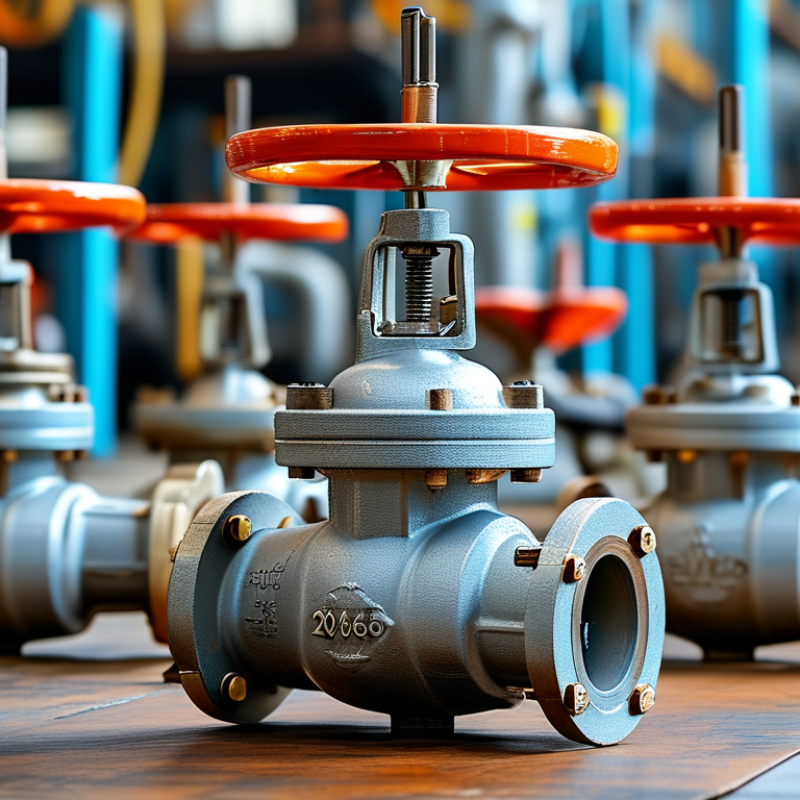
Overview of Nitrogen Pressure Relief Valves and Their Applications
Nitrogen pressure relief valves are critical components in various industries. They prevent excessive pressure buildup, ensuring system safety and integrity. According to a market report by Research and Markets, the global nitrogen valve market is expected to grow by 5.2% annually. This highlights their increasing relevance in applications such as petrochemicals, pharmaceuticals, and food processing.
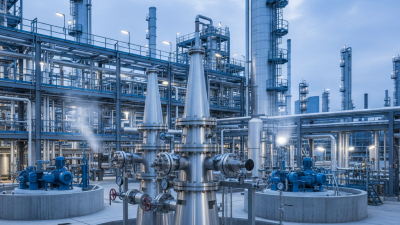
In the petrochemical industry, these valves are essential for controlling nitrogen inflow and preventing gas leaks. High-pressure environments demand reliable solutions. A study from the American Society of Mechanical Engineers emphasizes the importance of choosing the right valve for specific operational conditions. A mismatch can result in catastrophic failures. Similarly, in the food industry, nitrogen maintains product freshness. However, incorrect valve selection can compromise safety and quality.
While the benefits are clear, challenges remain. Many operators overlook routine maintenance. This can lead to malfunctions. Regular inspections are vital to ensure valves function correctly. Lack of attention can result in costly downtimes and safety risks. Investing in reliable nitrogen pressure relief valves requires thorough research and consideration of unique operational needs.
2026 Best Nitrogen Pressure Relief Valve Options to Consider for Your Needs
| Model |
Max Pressure (psi) |
Set Pressure Range (psi) |
Material |
Applications |
| Model A |
3000 |
50 - 3000 |
Stainless Steel |
Chemical Processing |
| Model B |
2000 |
30 - 2000 |
Brass |
Oil and Gas |
| Model C |
2500 |
100 - 2500 |
PVC |
Water Treatment |
| Model D |
1500 |
20 - 1500 |
Aluminum |
Aerospace |
Key Features to Look for in Nitrogen Pressure Relief Valves
When selecting a nitrogen pressure relief valve, it’s essential to prioritize key features. Start with the valve's pressure range. This determines how it performs under various conditions. A broader range enhances versatility. Material construction matters too. Robust materials can withstand harsh environments. Look for corrosion resistance and durability.
Another critical feature is the valve’s response time. A quick response can prevent pressure buildup. This is crucial in safeguarding equipment. Consider the mounting options for ease of installation. Compatibility with existing systems can save time and cost.
Flow rate is another vital parameter. It indicates how efficiently the valve operates. High flow rates can manage pressure spikes better. Always check for certifications or compliance with industry standards. This ensures reliability and safety in operation. Remember, investing time in research pays off. It can prevent costly mistakes down the line. Reflect on how these elements affect your specific needs and applications.
Top Brands and Models of Nitrogen Pressure Relief Valves for 2026
When selecting nitrogen pressure relief valves for 2026, it’s crucial to consider key brands and models that stand out. These valves are vital for maintaining safe operating conditions in various systems. They prevent excessive pressure build-up, which could lead to system failures. Look for options that combine efficiency and reliability.
A few notable features are essential in high-quality nitrogen pressure relief valves. They should offer precise pressure settings and quick response times. Valves that include stainless steel construction tend to resist corrosion well, prolonging lifespan. Moreover, easy installation and maintenance are important factors. This ensures consistent performance and reduces downtime.
While researching, remember that the choice isn’t always straightforward. Different applications require different specifications. Understanding the operating conditions is crucial. Seek guidance from experts who can provide insights on the latest technologies. Not all models will meet every need, prompting some trial and error. Users should reflect on their experiences with various options to identify the best fit. This iterative process leads to better decision-making.
Comparative Analysis of Performance and Reliability
Choosing the right nitrogen pressure relief valve demands an understanding of performance and reliability. Recent industry reports indicate that valves with a consistent performance rate of over 95% are ideal for critical applications. This reliability often correlates with specific design features. For example, models that incorporate advanced materials tend to resist corrosion better. They can withstand various environmental factors, ensuring longer operational life.
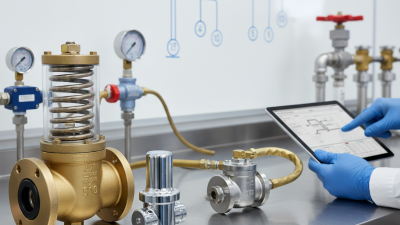
It's crucial to assess how these valves react under extreme conditions. Testing data suggests that valves with adjustable settings provide flexibility. This allows for precise pressure control, reducing the risk of failures. However, users must remain vigilant. Regular maintenance is essential to ensure optimal functioning.
Tip: Always consult the technical specifications before purchasing. Assess compatibility with your existing systems.
Another aspect to consider is the valve's installation process. Some valves are easier to install than others, which can save time and labor costs. User feedback from industry professionals suggests a preference for models with clear installation guidelines. Yet, it is important to implement proper training. Without it, misunderstandings may lead to installation errors.
Tip: Document the installation procedures and any issues encountered to improve future practices.
Maintenance Tips for Ensuring Optimal Functionality of Valves
When it comes to nitrogen pressure relief valves, proper maintenance is crucial for optimal performance. Regular inspections can help identify issues before they escalate. Look for wear or signs of corrosion. These early signs often indicate that parts may need replacement or repair. Examine the valve’s seals and gaskets closely. Weak seals can lead to leaks, affecting safety and efficiency.
Cleaning is another essential aspect. Dust and debris can accumulate, hindering performance. Using a mild solvent can help remove contaminants without damaging sensitive components. Regular lubrication of moving parts also enhances functionality. This helps prevent jamming and ensures smooth operation. Don’t overlook the calibration of valves. A miscalibrated valve could fail under pressure, posing serious risks.
It’s important not to adopt a one-size-fits-all approach. Each application may require specific attention based on environmental conditions. Using the wrong method can lead to ineffective maintenance. Documenting maintenance activities creates a reliable record for future reference. This fosters accountability and helps in troubleshooting any unexpected failures.