2026 Top Inline Flame Arrestor Buying Guide for Global Buyers?
In the realm of safety equipment, the Inline Flame Arrestor stands out as a crucial component. Its primary function is to prevent flames from traveling through piping systems. This device plays a vital role in various industries, including oil and gas, chemical manufacturing, and even pharmaceuticals. Ensuring that flame propagation is halted can significantly reduce the risk of catastrophic events.
When purchasing an Inline Flame Arrestor, buyers must consider several factors. Material quality, design, and appropriate sizing are essential for optimal performance. Additionally, the credibility of manufacturers is paramount. It’s essential to select products that meet international safety standards to guarantee reliability. Many buyers might find themselves overwhelmed by numerous options. Conducting thorough research can help in making informed decisions.
Navigating the market for Inline Flame Arrestors may not be straightforward. Misunderstandings regarding specifications can lead to poor choices. It's crucial to consult with industry experts or reliable resources to avoid potential pitfalls. Investing time in understanding different models will aid in selecting the most suitable option for your needs, ensuring safety and efficiency in operations.

Overview of Inline Flame Arrestors and Their Importance
Inline flame arrestors play a crucial role in preventing the propagation of flames within pipelines. They are essential in industries such as oil and gas, chemical processing, and power generation. According to the National Fire Protection Association (NFPA), fire-related incidents in industrial settings can lead to significant losses, with damages amounting to billions annually. This highlights the importance of effective safety measures, including flame arrestors.
These devices work by cooling and quenching the flame as it travels through the pipeline. A study published in the Journal of Hazardous Materials found that inline flame arrestors can reduce the risk of catastrophic failures by up to 80%. This data underscores the need for proper installation and maintenance to ensure optimal performance. However, not every installation is perfect. Factors like material degradation and improper sizing can lead to failures, highlighting areas for improvement and reflection in safety protocols.
The global inline flame arrestor market is expanding rapidly. Research indicates a compound annual growth rate (CAGR) of 7.5% from 2022 to 2030. As industries seek to enhance safety protocols, the demand for reliable flame arrestor systems will increase. However, it is essential for companies to not only invest in these devices but also prioritize employee training and awareness. Balancing technology with human factors remains a challenge in achieving ultimate safety.
2026 Inline Flame Arrestor Material Composition Analysis
Key Features to Consider When Buying Inline Flame Arrestors
When choosing inline flame arrestors, certain features are crucial for safety and efficiency. Look for materials that can withstand high temperatures. Stainless steel is a popular choice due to its durability. Make sure that the arrestor has a robust design. A well-constructed unit can prevent failure during operation. Some models have advanced mesh patterns. These patterns can enhance flame suppression capabilities.
Consider the flow rate specifications. It is important to match the arrestor’s capabilities with your system. An undersized unit may cause system back pressure. This can affect performance and safety. Pay attention to the installation requirements. A complicated setup may lead to improper function. Easy-to-follow instructions are preferable.
Quality certifications are vital. Certifications can indicate reliability and professionalism. Do not overlook warranty options. A solid warranty reflects a manufacturer’s confidence in their product. While many options exist, not all are created equal. Take the time to research and compare. Leave room for adjustments if initial choices don’t meet expectations. This approach can lead to better overall performance.
Types of Inline Flame Arrestors Available in the Market
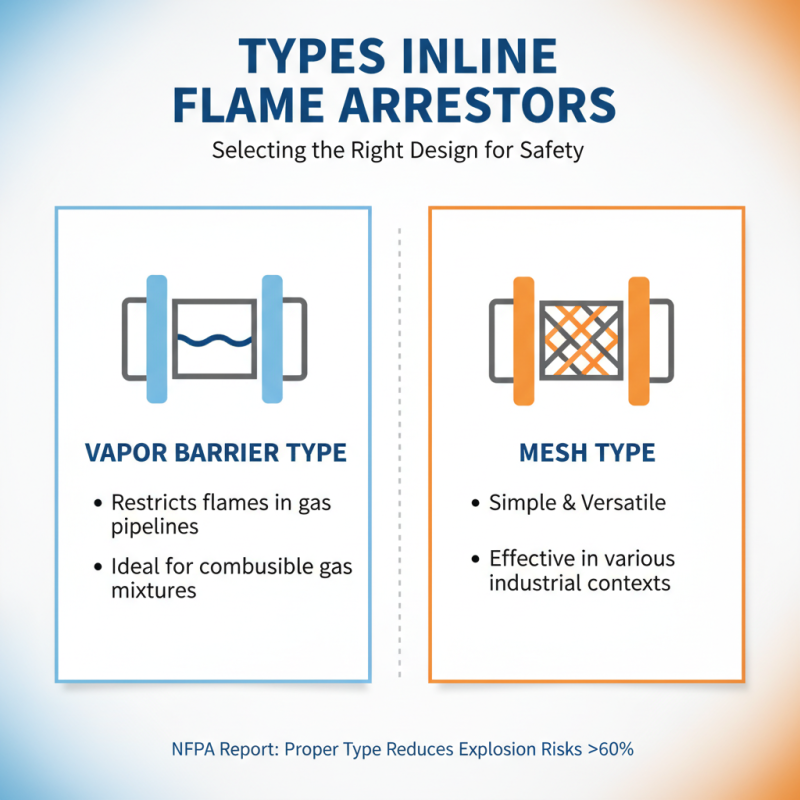
When selecting inline flame arrestors, understanding the types available is crucial. There are several designs, each suited for different applications. Most common are vapor barriers and mesh types. Vapor barriers restrict flames effectively in gas pipelines. Mesh types are popular for their simplicity and effectiveness in various industrial contexts. A report by the National Fire Protection Association indicates that the right type can reduce explosion risks by over 60%.
Another important category is the pressure relief arrestor. This design allows for venting during pressure spikes, a critical feature in gas storage. Industry studies show these units have a significant impact on safety, with 75% of incidents prevented through proper installation. Users often overlook these nuances. Selecting the wrong type can lead to catastrophic failures. Feedback from engineers indicates ongoing confusion about the specifications needed for each application.
Flexibility in design can enhance functionality. Portable models cater to temporary setups, while fixed installations serve permanent venues. Nonetheless, confusion persists among buyers regarding which model to choose for their specific needs. Expert advice is vital in these situations, as a bad selection could lead to costly downtimes. Understanding these types can guide better purchasing decisions.
Top Brands for Inline Flame Arrestors: A Comparative Analysis
When choosing an inline flame arrestor, it’s essential to compare top brands. Each brand offers unique features tailored to different applications. Consider factors like material, size, and pressure ratings. Look for designs that provide optimal safety without compromising flow efficiency. Understanding these differences helps in making an informed decision.
Tips: Assess the application environment. Is it high-pressure or corrosive? Choose materials that withstand such conditions. Regular maintenance checks ensure functionality over time. Many users overlook routine inspections, which can lead to potential failures.
Check the certification and compliance of products. Safety standards vary significantly by region. Having compliant equipment ensures legal adherence and enhances workplace safety. Counterfeit products can jeopardize safety. Look for reliable suppliers to avoid such risks. Remember, investing in quality leads to long-term reliability.
2026 Top Inline Flame Arrestor Buying Guide for Global Buyers
| Feature |
Rating (out of 5) |
Material |
Temperature Range (°F) |
Pressure Rating (psi) |
Certification |
| Flame Resistance |
4.8 |
Stainless Steel |
-40 to 150 |
150 |
ATEX |
| Corrosion Resistance |
4.7 |
Carbon Steel |
-20 to 120 |
100 |
ISO |
| Ease of Installation |
4.5 |
Aluminum |
-40 to 200 |
200 |
UL |
| Service Life |
4.6 |
Bronze |
-10 to 180 |
120 |
CE |
| Maintenance Requirements |
4.4 |
Polymer |
-40 to 140 |
80 |
API |
Maintenance Tips for Inline Flame Arrestors to Ensure Longevity
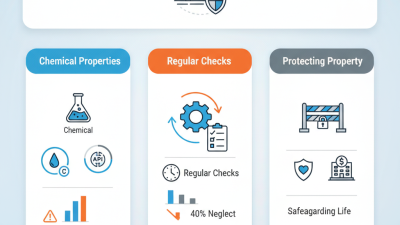
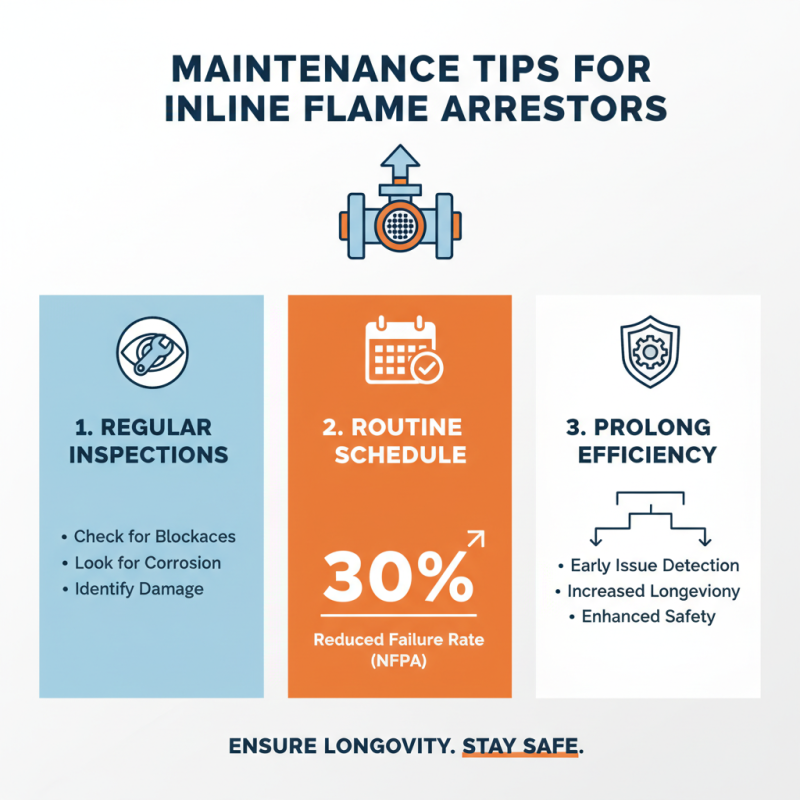
Maintenance is crucial for the longevity of inline flame arrestors. Regular inspections help identify issues early. A report from the National Fire Protection Association indicates that improper maintenance can increase failure rates by over 30%. This statistic highlights the importance of establishing a routine maintenance schedule. Inspect arrestors for blockages, corrosion, or damage, as these factors can significantly reduce their efficiency.
Keeping records of maintenance activities ensures accountability. A study by the Fire Protection Research Foundation states that consistent documentation can lead to a 40% improvement in safety compliance. This ensures that all team members are aware of any past issues or repairs, promoting a culture of safety and diligence. Additionally, consider the environment in which the arrestor operates. Extreme temperatures and exposure to corrosive substances can accelerate wear and tear. This necessitates closer monitoring and quicker replacement timelines.
Sometimes, a lack of training can hinder effective maintenance. Operators must understand the function and importance of flame arrestors. They should be familiar with the specific guidelines for their maintenance. Investing in specialized training can yield considerable benefits. It ultimately reduces the likelihood of catastrophic failures. Furthermore, keep in mind that even the best systems require attention and care. Regular reviews of operational performance can help address potential weaknesses.