2026 Best Flame Arrestor for Tanks What You Need to Know
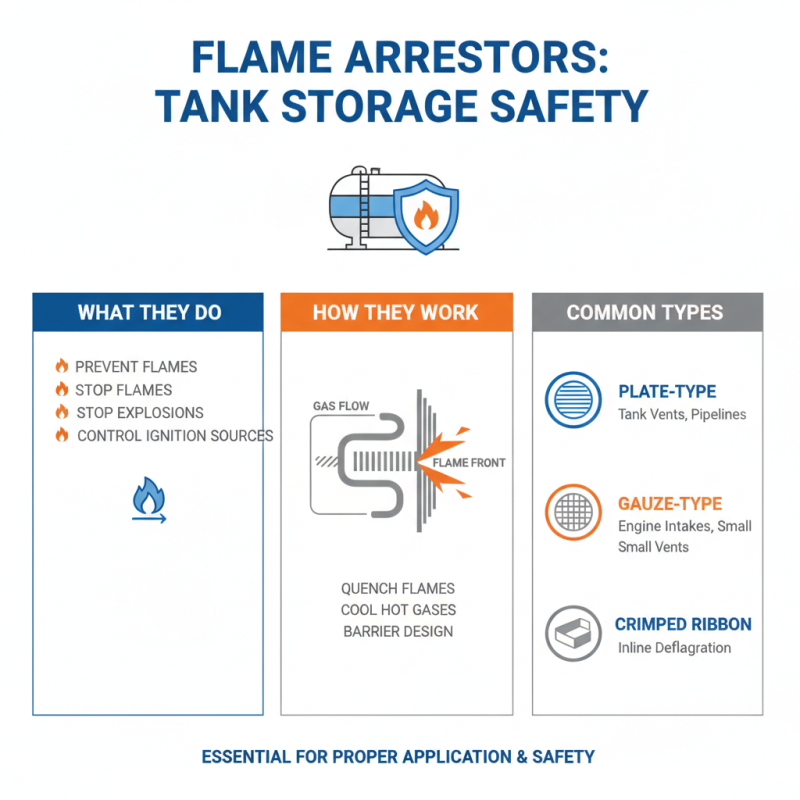
In the realm of industrial safety, the importance of a reliable Flame Arrestor For Tanks cannot be overstated. According to Dr. Emily Carter, a leading safety engineer, “An effective flame arrestor is vital to preventing catastrophic tank explosions.” This statement underscores the critical role these devices play in protecting facilities and personnel.
Flame arrestors are designed to stop flames from traveling back to the tank. They act as a barrier, allowing gases to safely vent while preventing ignition. The selection of the right device isn't straightforward. Factors like material compatibility, size, and the specific application are crucial. Mistakes in choosing can lead to serious issues.
Despite advances in technology, flame arrestors can fail. Some designs are too complex, reducing their effectiveness. Regular maintenance is essential; however, many facilities neglect this aspect. Addressing these vulnerabilities can save lives and property. An informed decision on the best flame arrestor for tanks is not just wise; it is necessary.
2026 Flame Arrestor: Understanding Its Role in Tank Safety
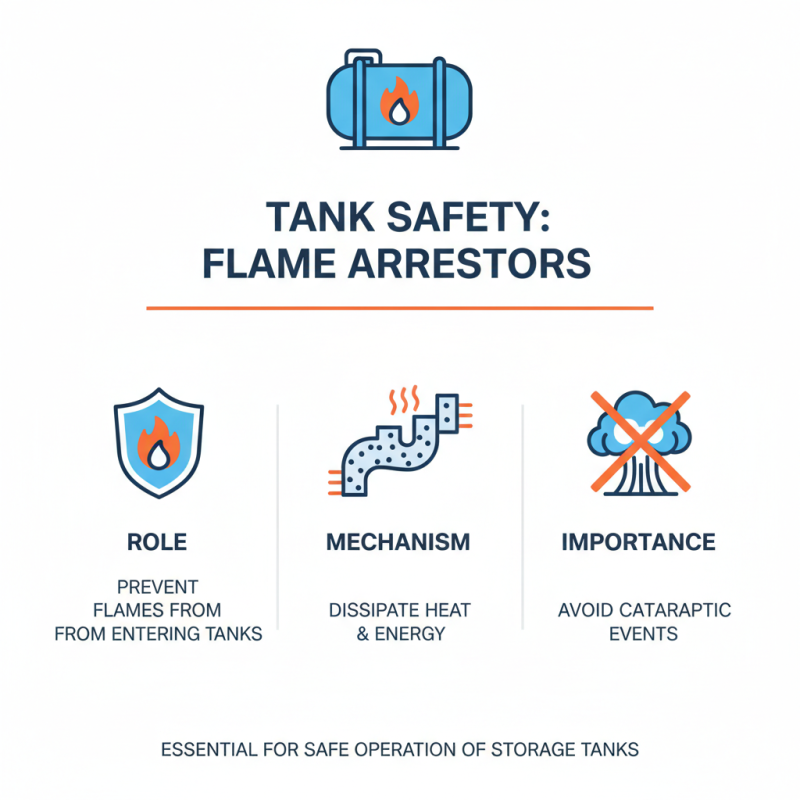
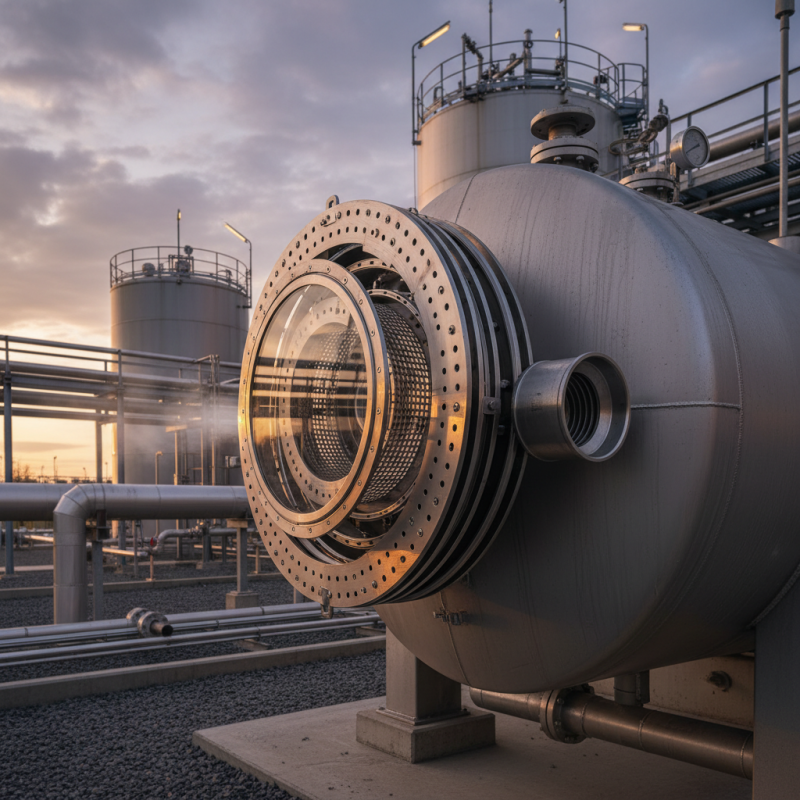
Flame arrestors play a crucial role in ensuring tank safety. They prevent dangerous flames from traveling back into storage tanks. Their design allows for the dissipation of heat and energy. This helps to avoid catastrophic events. When using these devices, understanding their function is key.
It's essential to know where to install flame arrestors. Proper placement can enhance overall safety. They should be fitted on vents and other openings. Regular maintenance is important as well. Corrosion can build up over time. This compromises the effectiveness of the arrestor. Regular checks help ensure they function as intended.
Choosing the right type can be tricky. Different tanks may require specific designs. It's important to assess the environment. Factors like temperature and pressure matter. Evaluate your needs carefully. Safety should always come first. An informed choice could prevent serious accidents down the line.
Key Regulations Governing Flame Arrestors in Industrial Applications
Flame arrestors play a crucial role in industrial safety. They prevent flame propagation in tanks and other storage vessels. Understanding the key regulations governing their use is essential for compliance. In many regions, specific standards dictate the design and performance of these devices. Adhering to these standards minimizes risks in flammable environments.
Various regulatory bodies outline requirements for flame arrestors. These rules typically focus on material strength and operational limits. Industries must ensure their equipment meets the designated safety specifications. Failing to comply can lead to significant hazards. Regular audits and inspections are necessary for maintaining compliance. Monitoring equipment can sometimes highlight areas needing improvement.
The use of flame arrestors is not without challenges. Installation may be complex, and maintenance should not be overlooked. Some industries find that they must adapt current technologies to meet newer regulations. This adaptation can be resource-intensive and time-consuming. However, reluctance to invest in proper equipment can result in dire consequences. Emphasizing a proactive approach is vital for operational safety.
Performance Metrics: Assessing the Efficiency of Flame Arrestors
Flame arrestors are critical for maintaining safety in tank operations. Understanding their efficiency can prevent catastrophic incidents. Performance metrics are essential for evaluating how well these devices function. Efficiency often depends on design and installation.
Industry reports indicate that effective flame arrestors can reduce the risk of flame travel by up to 90%. However, not all products perform equally. Testing reveals that some designs fail under specific conditions. A study highlighted that nearly 25% of installed units did not meet the required safety standards.
Feedback from field inspections often points out installation errors. These mistakes can reduce the device's effectiveness significantly. Proper orientation and alignment are crucial for optimal performance. Regular maintenance checks can identify potential faults. Awareness of these details can save lives and protect assets.
2026 Best Flame Arrestor Performance Metrics
This chart displays the efficiency percentages of different flame arrestor models based on 2026 performance metrics. The values are indicative of the level of effectiveness of each model in preventing flame propagation.
Maintenance Best Practices for Maximizing Flame Arrestor Effectiveness
Flame arrestors are critical for ensuring safety in storage tanks. Proper maintenance enhances their effectiveness. Regular inspections should be part of every safety protocol. Check for buildup of debris or damage. A clean flame arrestor allows for better airflow. This, in turn, protects against potential explosions.
It is vital to replace worn parts promptly. Delays can lead to serious safety risks. Ensure all seals are intact. This helps maintain the integrity of the system. Proper installation is equally important. Misalignment can reduce performance.
Tips for maintaining your flame arrestor:
- Clean the unit every few months.
- Keep the surrounding area free of flammable materials.
- Document all maintenance activities for future reference.
Neglecting these practices can lead to failure.
Safety should always come first. Regular maintenance not only extends the life of the flame arrestor but also ensures peace of mind. Regular checks might seem tedious, but they are essential.