Best Hydrogen Flame Arrestors for Enhanced Safety and Efficiency?
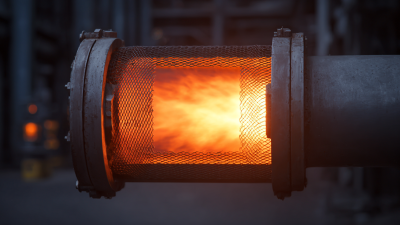
In the quest for safety and efficiency in handling hydrogen, the role of a Hydrogen Flame Arrestor cannot be overlooked. These devices prevent flames from traveling back into hydrogen storage or processing systems. Their design must meet stringent safety standards to ensure reliability.
Choosing the right Hydrogen Flame Arrestor requires expertise. Not all models are the same; each has unique features. Users must consider installation location, hydrogen flow rates, and potential hazards. A poorly chosen arrestor may not provide adequate protection, leading to catastrophic failures.
Investing in a high-quality Hydrogen Flame Arrestor is crucial for any facility utilizing hydrogen. As industries evolve, so do safety practices. Continuous evaluation and adaptation of these safety devices are essential. Many may underestimate their importance. Regular assessments can reveal performance gaps. A proactive approach in selecting and maintaining these arrestors is vital for enhanced safety and efficiency.
Overview of Hydrogen Flame Arrestors and Their Importance
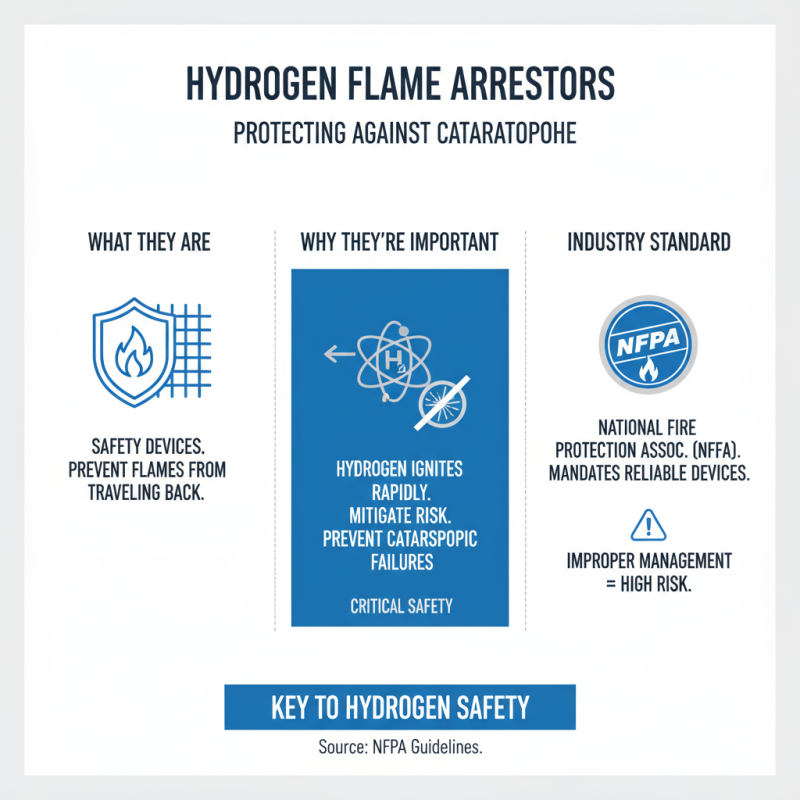
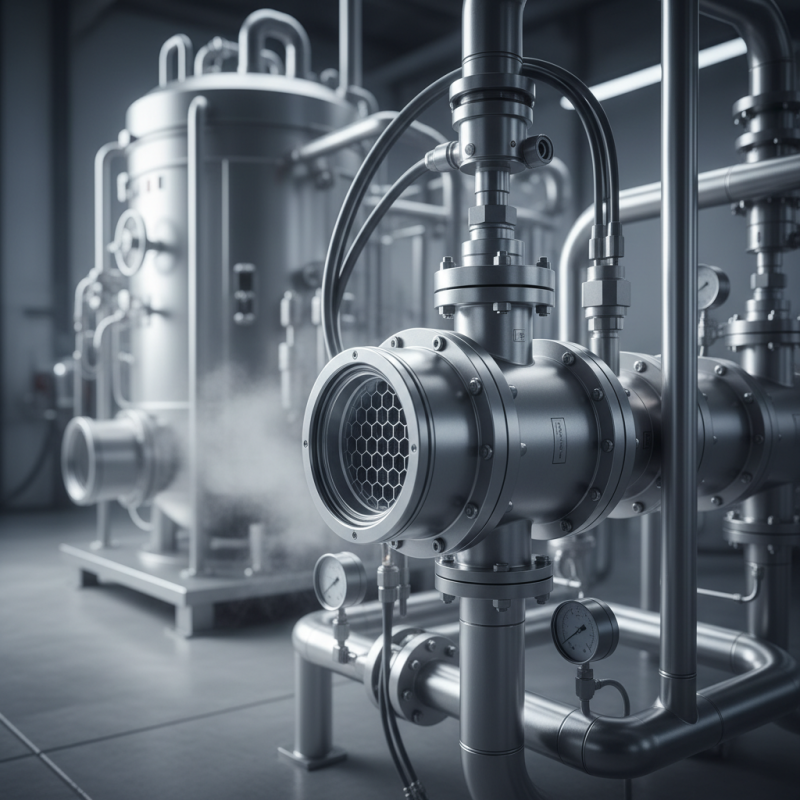
Hydrogen flame arrestors are critical safety devices in environments dealing with hydrogen gas. These components prevent flames from traveling back into gas storage areas. According to the National Fire Protection Association (NFPA), improper management of hydrogen can lead to catastrophic failures. Hydrogen can ignite rapidly. This necessitates reliable safety devices to mitigate risks.
Industrial facilities with hydrogen usage must prioritize flame arrestors. The Department of Energy (DOE) states that facilities with proper flame arrestors experience 30% fewer incidents related to hydrogen combustion. However, many installations still lack adequate protection. This is a striking concern, as human safety and equipment integrity are at stake. The challenge lies in ensuring these devices are regularly inspected and maintained.
Selecting the right flame arrestor is vital. It must meet specific regulations to function effectively. The American National Standards Institute (ANSI) outlines standards that govern the design of flame arrestors. Compliance with these guidelines can prevent significant hazards. Failure to adhere can result in severe consequences, highlighting the importance of education and consistent maintenance in the industry.
Types of Hydrogen Flame Arrestors Used in Industrial Applications
Hydrogen flame arrestors play a crucial role in enhancing safety within industrial applications. These devices are designed to prevent the propagation of flames through hydrogen pipelines and storage areas. According to a report from the International Journal of Hydrogen Energy, accidents related to hydrogen leaks can lead to severe consequences. The use of flame arrestors significantly reduces these risks.
There are several types of flame arrestors suitable for hydrogen applications. The passive type is commonly used in storage tanks, effectively extinguishing flames as they reach the device. On the other hand, active flame arrestors are used where increased safety measures are necessary, such as in high-pressure environments. Research indicates that active systems can provide up to 30% higher efficiency in flame management compared to passive systems, making them ideal for sensitive industrial settings.
Understanding the limitations of each type is also important. Passive systems depend on environmental conditions, which can sometimes hinder performance. Furthermore, improper installation may compromise their effectiveness. A thorough assessment of the installation site is critical. An informed choice can lead to improved safety and operational efficiency, but it requires understanding the unique needs of your facility.
Key Features to Consider When Choosing a Hydrogen Flame Arrestor
When selecting a hydrogen flame arrestor, key features are essential. One critical aspect is the materials used in construction. The flame arrestor's body often needs to withstand high temperatures. Stainless steel or aluminum is commonly used for their durability and corrosion resistance. This is vital, as hydrogen can react with certain materials, potentially compromising safety.
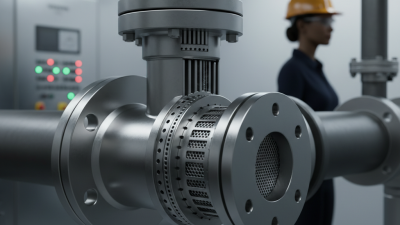
Another important factor is the design’s ability to withstand high-pressure situations. According to industry reports, flame arrestors should effectively prevent flame propagation while allowing gas flow. The most efficient designs include labyrinth or baffle configurations, which can enhance performance by creating multiple pathways for the gas. This method can help achieve a balance between safety and efficiency.
The flow rate is equally crucial. A good arrestor should accommodate the required hydrogen flow without adding excessive pressure drop. Data indicates that optimal flow rate management can significantly improve system efficiency. However, many arrestors fall short in this area and can lead to operational issues. Regular testing can help identify these potential shortfalls and ensure reliability in critical applications.
Hydrogen Flame Arrestors Performance Comparison
Maintenance Tips for Optimal Performance of Flame Arrestors
Maintaining hydrogen flame arrestors is essential for safe operation. Regular inspections can prevent potential hazards. Check for signs of wear and corrosion. An insignificant crack can lead to severe issues. Ensure that flame arrestors are free from obstructions. Debris can block their effectiveness, increasing risks.
Cleaning procedures are crucial for optimal performance. Use appropriate cleaning methods to avoid damaging components. A simple wipe with a non-abrasive cloth can help. Monitor the pressure levels regularly as fluctuations can indicate problems. Document any changes in performance to identify trends over time.
Consider periodic testing to validate functionality. Testing ensures that the flame arrestor operates correctly under various conditions. It is vital to consult relevant safety standards for guidance. Small oversights can lead to critical failures. Remember to involve trained personnel for complex maintenance tasks. Relying on knowledgeable staff enhances the reliability of the system.
Regulatory Standards and Safety Practices for Hydrogen Flame Protection
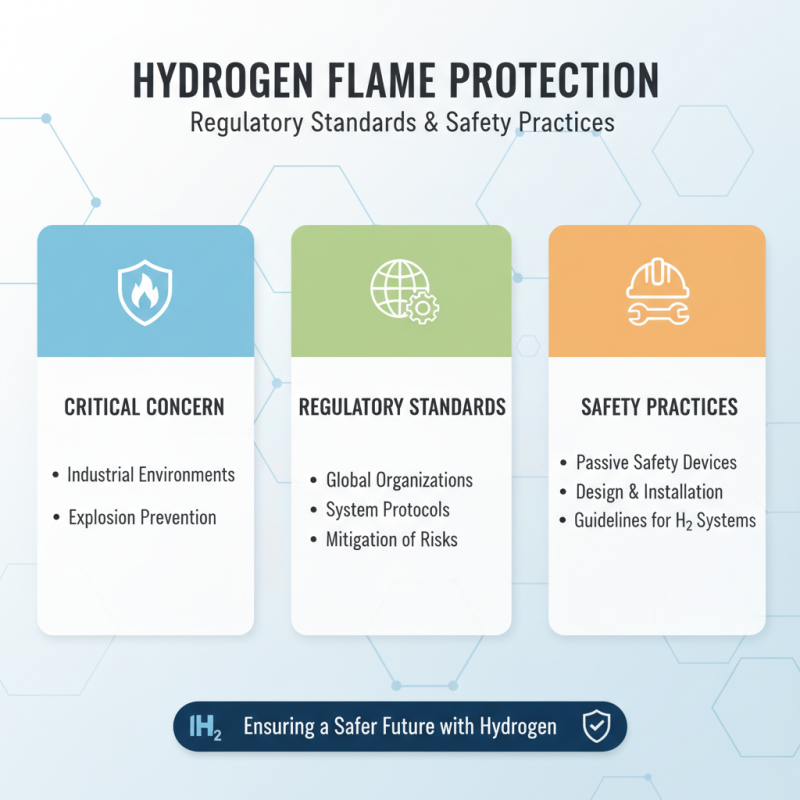
Hydrogen safety is a critical concern, especially in industrial environments. Regulatory standards play a significant role in ensuring effective flame protection measures. These standards, set by organizations around the world, outline the necessary protocols for hydrogen systems. They provide guidelines for designing and installing passive safety devices, aiming to prevent explosions and mitigate risks.
Implementing these standards requires ongoing training and diligence. Workers must understand how hydrogen behaves under different conditions. Simple mistakes can lead to serious hazards. Regular safety audits help identify gaps in compliance and retrain personnel where necessary. This creates a culture of safety that is crucial for maintaining a secure work environment.
Transparency is a key element in enhancing safety protocols. Sharing data about incidents and near-misses can inform better practices. Organizations should promote open discussions about potential hazards. Every team member plays a role in safety. While regulations provide a foundation, individual responsibility and awareness are equally important.