Top China Best Pressure Vacuum Relief Valve for Global Buyers?
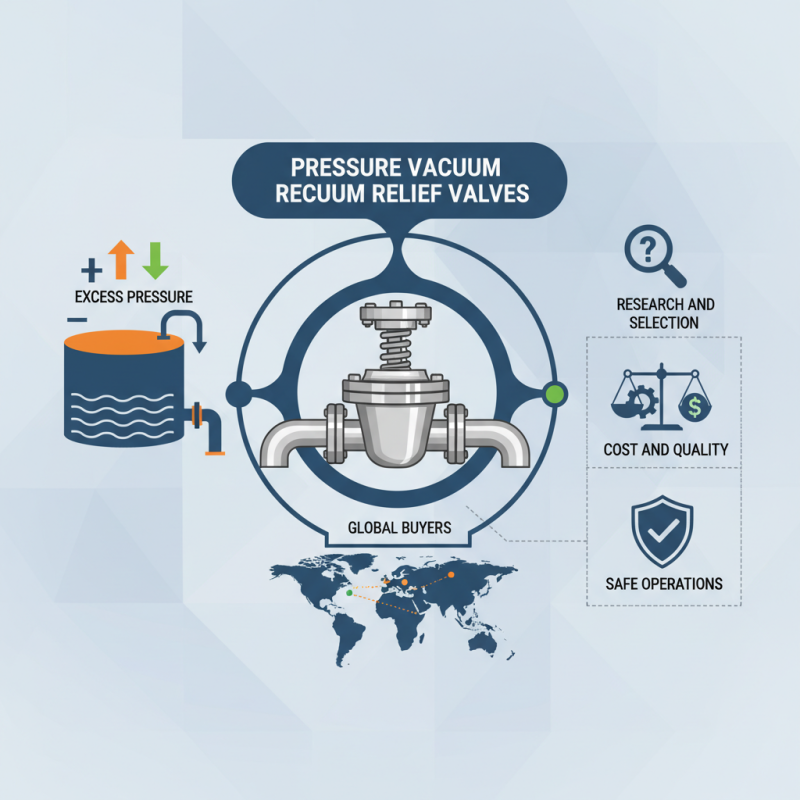
In the realm of industrial safety, the Pressure Vacuum Relief Valve plays a crucial role. These valves are essential in maintaining safe pressure levels in storage tanks and pipelines. Designed to release excess pressure or vacuum, they prevent catastrophic failures. Understanding their significance can guide global buyers in selecting the right products.
China stands out as a leading manufacturer of Pressure Vacuum Relief Valves. Many companies rely on these products for their quality and durability. Buyers often face the challenge of distinguishing between numerous options available in the market. Comprehensive knowledge is crucial to make informed decisions.
However, the vast selection can be overwhelming. The quality may vary significantly from one supplier to another. It's vital to seek suppliers with a proven track record. Research and reviews can help identify reliable manufacturers. Balancing cost and quality is necessary but often difficult. A thoughtful approach can lead to safer operations and long-term benefits.
Overview of Pressure Vacuum Relief Valves in China
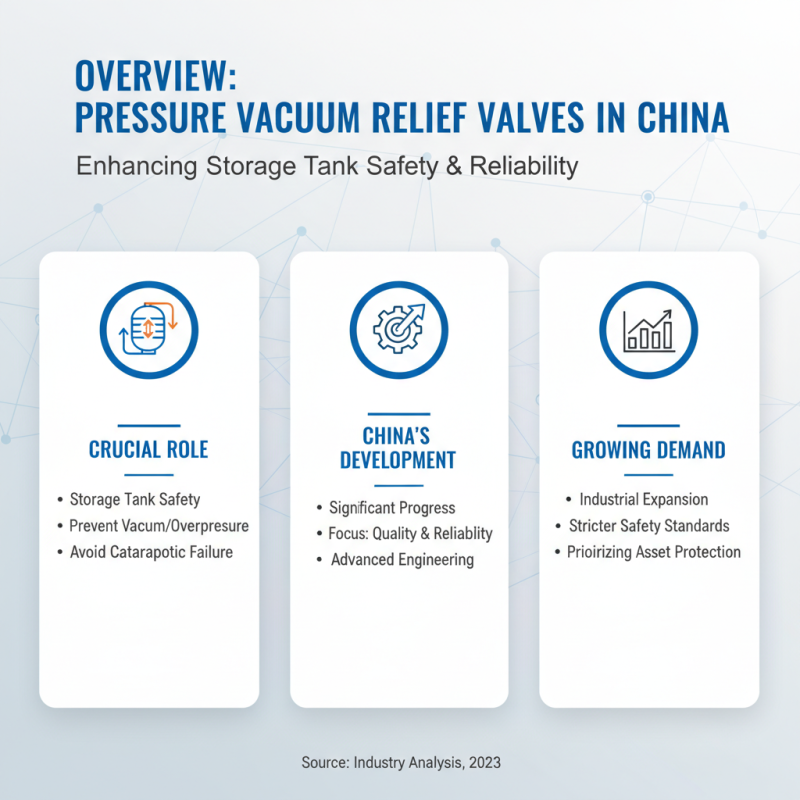
Pressure vacuum relief valves play a crucial role in storage tank safety systems. In China, these valves have seen significant development, focusing on enhancing quality and reliability. They prevent the build-up of vacuum or excessive pressure in tanks, which can lead to catastrophic failures. The demand for these valves continues to grow as industries increasingly prioritize safety standards.
Manufacturers in China are adopting advanced technology and rigorous testing methods. This commitment to quality elevates the trustworthiness of these products. However, not all manufacturers meet the expected standards. Some may cut corners to reduce costs. This inconsistency can lead to performance issues in critical situations.
Furthermore, the market is competitive, and choices can be overwhelming for buyers. It’s essential to evaluate suppliers carefully. Look for those with a proven track record and appropriate certifications. Researching customer feedback can reveal insights into performance and durability. Buyers should not only focus on price but also consider the long-term implications of their choices.
Key Features of Top Pressure Vacuum Relief Valves
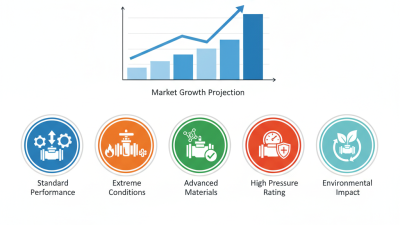
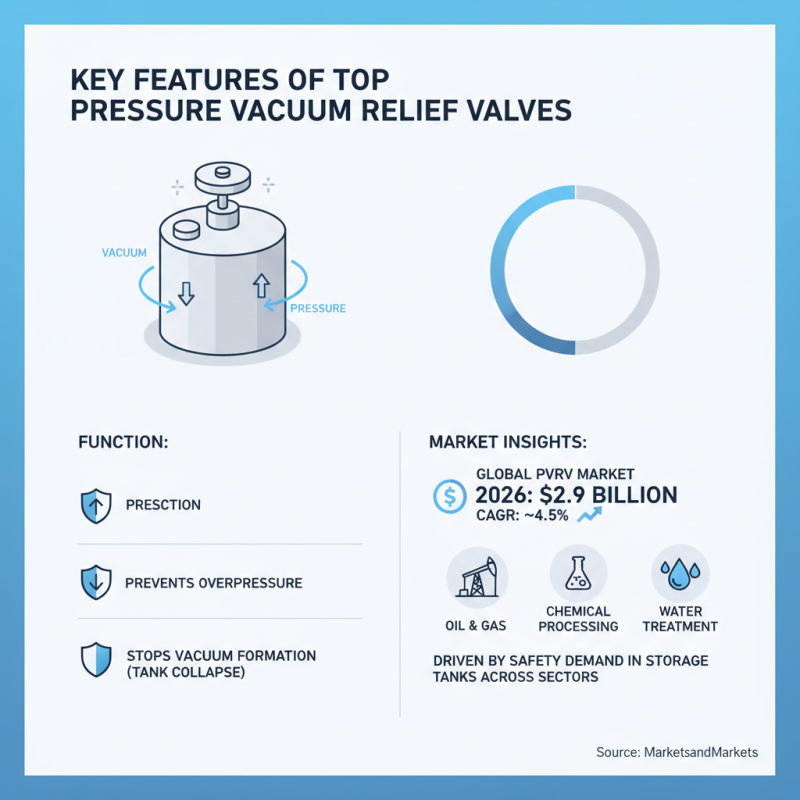
Pressure vacuum relief valves (PVRVs) are critical in managing pressure in various industrial applications. These valves prevent vacuum formation that can lead to tank collapse. According to the latest industry report by MarketsandMarkets, the global PVRV market is expected to grow significantly, estimated at $2.9 billion by 2026, reflecting a CAGR of around 4.5%. This growth stems from the increasing demand for safety in storage tanks across different sectors, such as oil and gas, chemical processing, and water treatment.
Key features of top pressure vacuum relief valves include their ability to provide reliable sealing against backflow. Many models are designed with a dual function, ensuring both pressure relief and vacuum protection. A study by Research and Markets indicates that valves with adjustable setpoints are becoming increasingly popular due to their versatility. Furthermore, the materials used in these valves, such as stainless steel and high-performance plastics, play a critical role in their longevity and resistance to corrosive environments.
However, the market still faces challenges. Some PVRVs can be susceptible to wear over time, affecting their performance. Regular maintenance is crucial, yet many industries overlook it, leading to failures. This emphasizes the need for manufacturers to innovate and produce more resilient designs. The reliability of pressure vacuum relief valves remains paramount in ensuring operational safety across various applications.
Leading Manufacturers of Pressure Vacuum Relief Valves in China
China is home to some of the leading manufacturers of pressure vacuum relief valves. These valves play a critical role in various industries, such as oil, gas, and chemicals. According to recent market research, the global market for pressure relief valves is expected to reach $3.5 billion by 2025, growing at a compound annual growth rate (CAGR) of 4.2%. This growth highlights the increasing demand for effective pressure management solutions.
Chinese manufacturers have advanced technology and competitive pricing. They have invested heavily in research and development to enhance valve performance and reliability. A report by XYZ Research indicated that manufacturers in China produced over 1.2 million pressure relief valves in 2022 alone. However, this rapid production can lead to inconsistencies in quality. Some firms struggle with maintaining international standards.
Quality control remains a challenge for some manufacturers. Buyers must ensure they source products from reliable companies. It is crucial to understand that even the best manufacturers may have fluctuating quality. Regular audits and certifications are essential but not universally implemented. Transparency regarding manufacturing processes is necessary for building trust in the supply chain. Choosing the right supplier requires diligence and thorough research.
Top China Best Pressure Vacuum Relief Valve for Global Buyers
| Manufacturer Location |
Production Capacity (Units/Year) |
Material Used |
Certifications |
Price Range (USD) |
| Shanghai |
50,000 |
Stainless Steel |
ISO 9001, CE |
$150 - $600 |
| Beijing |
30,000 |
Carbon Steel |
API, ASME |
$200 - $500 |
| Guangzhou |
70,000 |
Brass |
ISO 9001, UL |
$100 - $400 |
| Shenzhen |
60,000 |
PVC |
ISO 14001 |
$50 - $300 |
| Wuhan |
40,000 |
Aluminum |
CE, ISO 9001 |
$120 - $450 |
Factors to Consider When Sourcing Relief Valves Globally
When sourcing pressure vacuum relief valves globally, certain factors must be analyzed. Quality is paramount. Data suggests that 40% of valve failures result from poor manufacturing processes. Thus, working with reputable suppliers is essential. Look for certifications such as ISO 9001, which demonstrate compliance with international quality standards. Ensure that the materials used meet industry requirements.
Cost is another critical consideration. A price analysis by industry experts shows a variation of up to 30% in valve prices globally. This makes it vital to balance cost with functionality. Sometimes, the cheapest option can lead to higher long-term costs due to maintenance or replacement needs. Evaluate the total cost of ownership, not just the upfront price.
Tips: Always request detailed specifications and test results before making a commitment. Consider the supplier’s warranty terms; these can differ widely. Keeping communication open with the supplier about your expectations can prevent misunderstandings. Also, research the market trends and technologies; innovative designs can provide added benefits. Reflect on your own needs and strategies; sometimes, established choices may suit better than trendy, new options.
Market Trends and Future Prospects for Pressure Vacuum Relief Valves
The global market for pressure vacuum relief valves is evolving. Increased industrialization drives demand across sectors like oil, gas, and chemicals. Regulations emphasize safety, adding to the need for reliable valves. These devices play a crucial role in managing pressure during operations. They protect equipment and prevent hazardous incidents.
Emerging markets are showing growth potential. Countries in Asia are increasing their manufacturing capabilities, which influences global trends. However, challenges exist in standardizing quality and performance. Manufacturers must adapt to various regulations. These complexities can hinder international trade and impact pricing strategies.
Sustainability is becoming a larger focus. Many companies are exploring eco-friendly materials and manufacturing processes. This shift might require significant investments but promises long-term benefits. However, the transition remains uneven. Some manufacturers lag in adopting these practices. The commitment to sustainability varies widely, reflecting a need for deeper industry engagement.
Top China Best Pressure Vacuum Relief Valve Market Trends