2026 How to Choose the Right Inline Flame Arrestor for Safety?
Choosing the right Inline Flame Arrestor is crucial for ensuring safety in various industrial applications. According to renowned safety expert Dr. Emily Harris, "Selecting the appropriate Inline Flame Arrestor can prevent catastrophic incidents." This emphasizes the importance of understanding specifications and requirements.
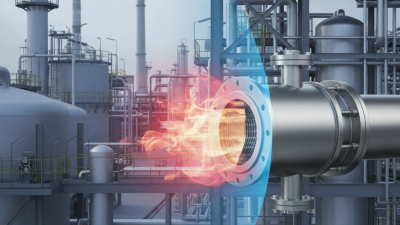
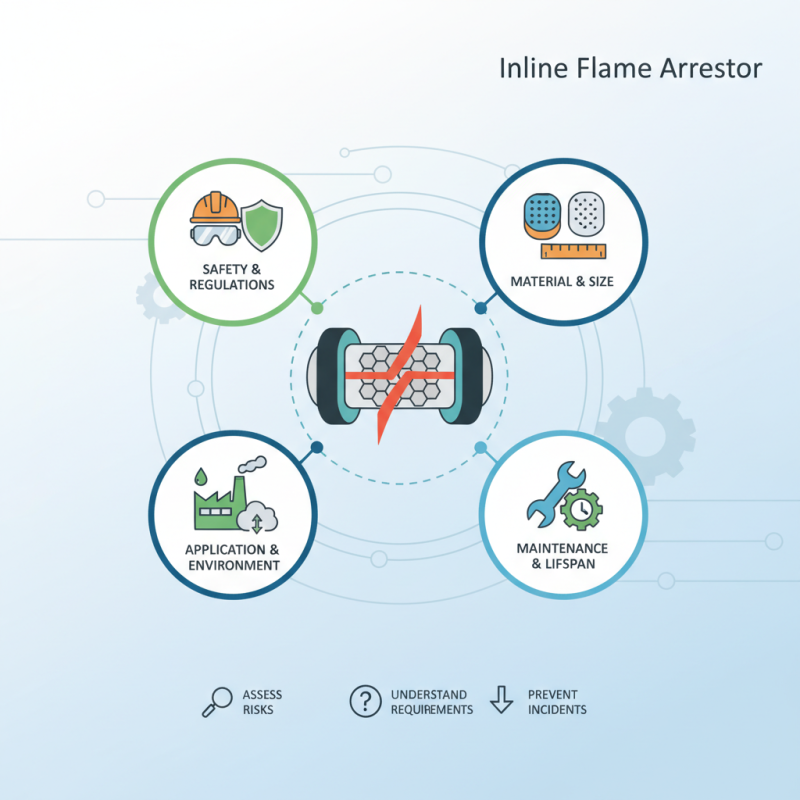
Inline Flame Arrestors are designed to stop flames from traveling in pipelines. Their effectiveness largely depends on factors like material, size, and application environment. Many industries utilize these devices, but not all are aware of the critical considerations involved in selection.
Each application poses unique challenges. Users must evaluate specific risks and operational conditions. Finding the right Inline Flame Arrestor can be daunting. A common mistake is overlooking maintenance needs, which can compromise safety. Experts recommend thorough assessments to ensure compliance with safety regulations.
Understanding Inline Flame Arrestors and Their Importance in Safety
Inline flame arrestors play a crucial role in ensuring safety within various industrial processes. They prevent the propagation of flames in piping systems, reducing the risk of catastrophic explosions. According to the National Fire Protection Association (NFPA), nearly 30% of industrial fire incidents are attributed to flammable vapor ignition in enclosed spaces. This statistic underlines the need for effective safety measures like flame arrestors.
When choosing inline flame arrestors, several factors must be considered. The operating environment, fluid type, and pressure conditions are key aspects that influence the appropriate selection. Research from the American Institute of Chemical Engineers (AIChE) suggests that using the wrong type of flame arrestor can lead to safety vulnerabilities. Data indicates that improperly installed units have a failure rate of about
15%.
Moreover, the installation and maintenance of these devices are paramount. Many incidents occur due to neglect in upkeep. Regular inspections can catch potential failures early. Industry reports reveal that more than 25% of flame arrestor failures stem from lack of maintenance. Thus, recognizing the importance of these devices is essential for enhancing safety in industrial settings.
Key Factors to Consider When Selecting an Inline Flame Arrestor
Choosing the right inline flame arrestor is crucial for safety and effective hazard management. When selecting one, consider the application. Different industries have varied requirements. Look into the specific conditions, such as pressure and temperature ranges. These factors will influence the effectiveness of the flame arrestor.
Material compatibility is another key factor. The arrestor must withstand the substances flowing through it. Corrosive or high-temperature environments can degrade certain materials. Testing multiple configurations in real-world scenarios may reveal unexpected issues. It’s essential to think critically about these details.
Flow capacity should not be overlooked. An inadequately sized arrestor can lead to pressure drops. This can, in turn, hinder operations. It’s wise to consult professionals with industry experience. Their insights can help you avoid common pitfalls. Evaluate your options carefully, as poor decisions can have significant safety implications.
Types of Inline Flame Arrestors and Their Applications
When selecting an inline flame arrestor, understanding the types available is crucial. There are various designs, including perforated plate, mesh, and baffle arrestors. Each type serves unique purposes and is suited for specific applications. For instance, perforated plate arrestors are often used in pipelines transporting flammable gases. Their structure allows for good heat dissipation while preventing flames from traveling back.
It's essential to consider the working conditions when choosing a flame arrestor. High pressure and temperature scenarios require specific models designed to handle such stress. Moreover, environmental factors can affect performance. Regular inspections help ensure reliability.
Tips for selecting the right arrestor include focusing on the material compatibility with transported substances. Steel and aluminum are common, but localized corrosion resistance should be investigated. Always consult safety guidelines and industry standards before making a selection. Remember, the wrong choice can lead to severe risks.
Installation and Maintenance Tips for Inline Flame Arrestors
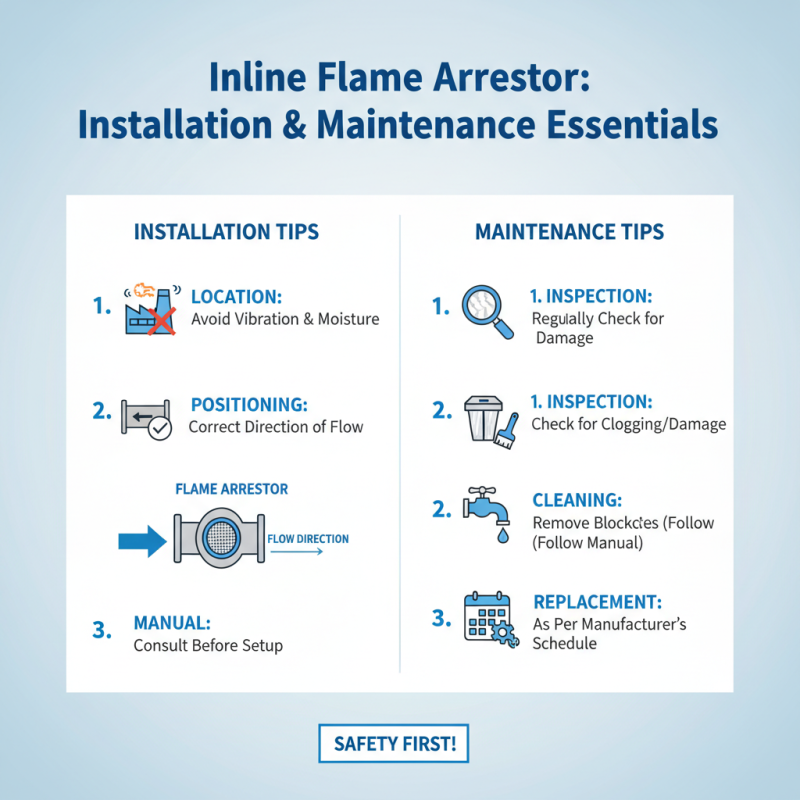
When installing an inline flame arrestor, it's crucial to follow specific guidelines to ensure optimal safety. Begin by selecting a suitable location. Avoid areas with excessive vibrations or moisture. The arrestor must be positioned correctly in the pipeline to ensure effectiveness. The direction of flow is essential, so examine the operating manual before installation.
Maintenance is another vital component. Regular inspections should be carried out to identify any blockage or damage. Check for corrosion or buildup of debris in the arrestor. This buildup can reduce efficiency, so clean it periodically. Understanding the manufacturer's recommendations for maintenance intervals is key.
After installation, keep an eye on pressure levels. Significant deviations might indicate a malfunction. Document each inspection and maintenance activity thoroughly. This practice will help ensure reliability over time. Always take an adaptive approach, as each environment may present unique challenges. Be aware of the specific conditions at your facility and adjust accordingly.
Regulatory Standards and Compliance for Flame Arrestor Selection
Selecting the right inline flame arrestor is crucial for safety. Regulatory standards guide this selection process. Various authorities, such as OSHA and NFPA, provide integral regulations. Compliance ensures that the flame arrestor functions effectively in preventing explosions. Understanding these standards is essential to protect lives and property.
Tips: Always verify if the flame arrestor meets local and national codes. Documentation should be readily available during inspections. Regular audits can enhance compliance.
Installation plays a key role in effectiveness. Improper installation can compromise safety. It is essential to follow manufacturer guidelines carefully. Adapting to changes in safety regulations can be challenging. Continuous training for staff about these regulations is advisable.
Tips: Encourage a culture of safety within the workplace. Regularly review training programs to keep them updated. This can help ensure everyone understands their responsibilities concerning safety compliance.