How to Choose the Right Pilot Operated Nitrogen Blanket Gas Regulator?
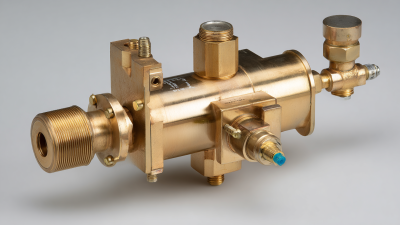
Choosing the right Pilot Operated Nitrogen Blanket Gas Regulator is crucial for various applications. This decision can significantly impact safety and efficiency. A proper regulator maintains a consistent pressure, preventing contamination in sensitive processes.
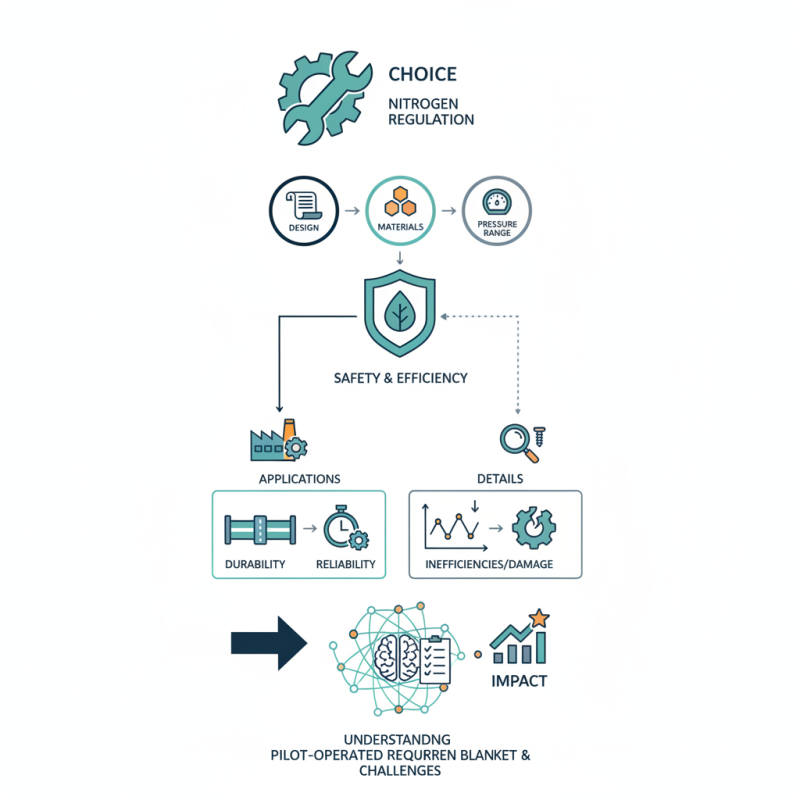
Factors to consider include design, materials, and pressure range. Each application might demand specific features. A regulator built with durable materials ensures long-term reliability. Additionally, understanding your operational pressure needs is vital.
Some users might overlook small details. Ignoring these can lead to inefficiencies or even equipment damage. Remember, selecting a regulator isn't just about specifications. It involves a thorough understanding of your unique requirements and challenges. Your choice can make a difference.
Understanding Pilot Operated Nitrogen Blanket Gas Regulators
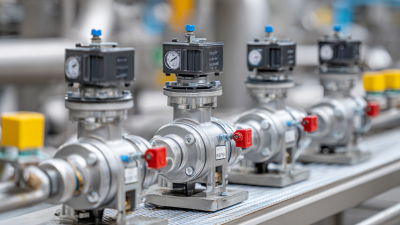
Pilot operated nitrogen blanket gas regulators are essential for maintaining stable gas pressure in various applications. They play a critical role in preserving product quality by providing an inert atmosphere. Understanding their function can help users make informed choices. A good regulator ensures consistent flow, reducing the risk of contamination.
When selecting a pilot operated nitrogen blanket gas regulator, consider the specific needs of your operation. Look at the source of nitrogen and the pressure requirements. It's important to evaluate the sizing. An undersized regulator might not meet demands, while an oversized one can lead to fluctuation. Simple adjustments can lead to better performance, but sometimes users overlook this detail.
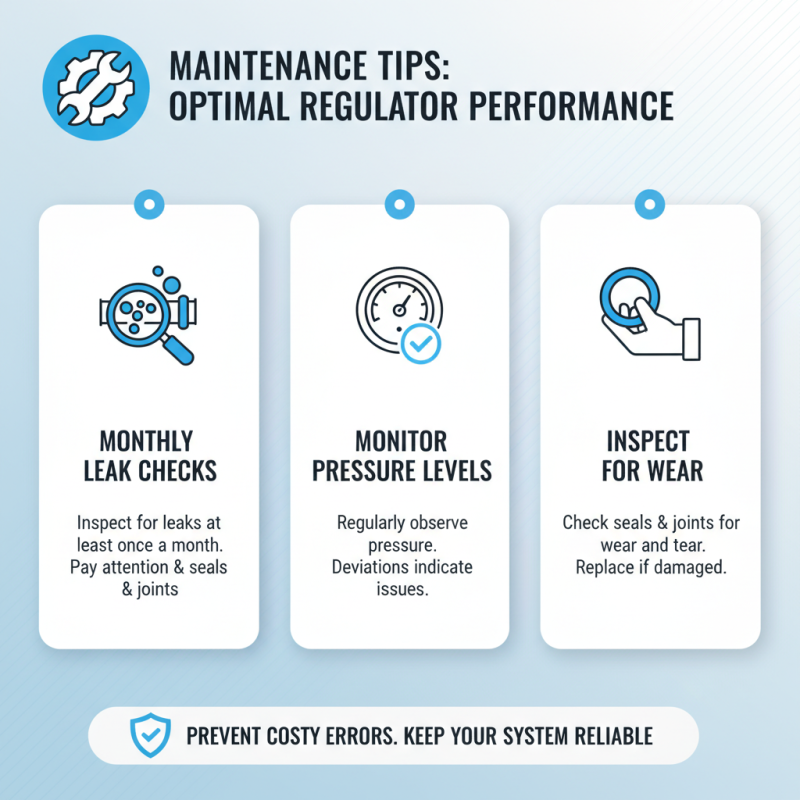
Moreover, consider the environment in which the regulator will operate. Temperature fluctuations and humidity levels can affect performance. Regular maintenance and checks are vital to keep the regulator functioning correctly. Users often neglect these tasks, which can lead to inefficiencies. A bit of reflection on routine practices may enhance reliability in the long run.
Key Features to Look for in a Nitrogen Blanket Gas Regulator
Choosing the right pilot operated nitrogen blanket gas regulator is crucial for ensuring safe operations. When selecting one, consider several key features. First, check the pressure range. It should fit your specific industrial needs. A regulator with a wide pressure range can offer more flexibility during use. The material of the regulator body is also important. Look for corrosion-resistant materials. This can ensure durability over time.
Another aspect to focus on is the flow rate. A high flow rate may be necessary for certain applications. However, too high can lead to instability. Balance is key. Additionally, features like a pressure gauge can provide valuable real-time feedback. This helps monitor performance and safety levels.
Lastly, consider the ease of maintenance. Some regulators are easier to maintain than others. Complex designs might look appealing but could cause issues later. Regular reflection on your operational needs can guide your choice. Always think about potential improvements. Selecting the right regulator is a process that can evolve. Stay open to adjustments as your operations change.
How to Choose the Right Pilot Operated Nitrogen Blanket Gas Regulator? - Key Features to Look for in a Nitrogen Blanket Gas Regulator
| Feature |
Description |
Importance |
| Pressure Range |
The minimum and maximum pressure the regulator can handle. |
Ensures safe and efficient operation within required pressure limits. |
| Flow Rate |
The amount of gas that can pass through the regulator. |
Critical for maintaining the desired nitrogen blanket in processes. |
| Material Compatibility |
Materials used in construction that resist corrosion and wear. |
Vital for ensuring longevity and reliability in harsh environments. |
| Regulation Type |
Whether it is a pilot-operated or direct-operated regulator. |
Affects precision and responsiveness to pressure changes. |
| Size and Port Configuration |
Dimensions and inlet/outlet port sizes for fitting compatibility. |
Ensures proper installation and integration into existing systems. |
| Adjustment Mechanism |
Method for setting and stabilizing output pressure. |
Influences ease of tuning and maintaining system performance. |
| Safety Features |
Built-in features like pressure relief valves. |
Enhances safety by preventing over-pressurization. |
Factors Influencing the Selection Process of Regulators
Choosing the right pilot operated nitrogen blanket gas regulator involves several key factors. One significant factor is the operating pressure range. Ensure the regulator can handle the maximum pressure required by your application. If it exceeds the range, regulators may malfunction or cause unsafe conditions. Also, consider the flow rate needed. A regulator with insufficient capacity won't maintain pressure effectively.
Another important aspect is the material compatibility. Depending on the environment, materials must withstand specific conditions. Corrosion resistance is vital in harsh environments. Not all materials are created equal, leading to potential failures. Reflect on the application’s specifics before making a choice.
Regulators must also fit within the designated space. A compact design may be necessary, especially in tight installations. Poor fit can lead to misalignment and leaks, raising safety concerns. An essential consideration is maintenance. Some designs may require more upkeep than others. Neglect can result in significant issues over time. Think carefully about these aspects to avoid future complications.
Factors Influencing the Selection Process of Pilot Operated Nitrogen Blanket Gas Regulators
Common Applications for Pilot Operated Nitrogen Blanket Systems
Pilot operated nitrogen blanket systems find their place in various industries, especially where product integrity is critical. For instance, in the food and beverage sector, nitrogen blankets help preserve freshness and extend shelf life. This is vital, as studies show that oxygen exposure can reduce product quality by up to 30%. The right regulator can maintain steady pressure, creating an inert atmosphere. This reduces oxidation for packaged goods and aids flavor retention.
In the pharmaceutical field, controlling the environment is crucial. Nitrogen blankets prevent contamination and degradation of sensitive compounds. A pilot operated system can adapt quickly to pressure changes. This responsiveness is important, especially as production scales. Reports indicate that nearly 80% of pharmaceutical failures stem from environmental inconsistencies. Hence, choosing an appropriate regulator is not just about functioning; it’s about ensuring stringent quality control.
Oil and gas operations also benefit from these systems. They reduce fire and explosion risks within storage tanks. The use of nitrogen-inerted tanks has grown by over 40% in the past five years. However, the selection process is complex. Users must consider variables like temperature and flow rate. Misjudgments can lead to system failures or inadequate protection. Ignoring these factors could have dire consequences.