How to Choose the Best Hydrogen Flame Arrestor for Safety?
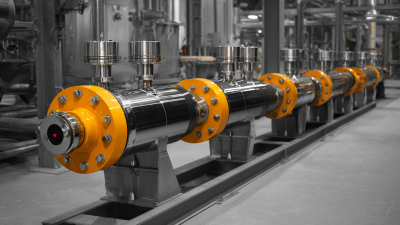
Choosing the best hydrogen flame arrestor is critical for safety. Industry expert Dr. Emily Carter emphasizes, "Selecting the right arrestor can save lives." A hydrogen flame arrestor is a device designed to protect environments where hydrogen is present. It prevents flames from spreading, thus reducing the risk of catastrophic incidents.
When considering options, factors like material, size, and installation location matter. Each detail impacts the effectiveness of the device. Therefore, it is vital to assess these aspects carefully. Consider the performance in various conditions. Some arrestors may not perform well under specific circumstances. This can lead to oversight and potential dangers.
Research is key. Not every product on the market meets safety standards. Relying on expert recommendations helps ensure reliability. However, installation is often overlooked. Proper installation maximizes protection. Ignoring this step can lead to inadequate safety measures. Balancing safety and compliance is essential for any facility handling hydrogen.
Understanding the Basics of Hydrogen Flame Arrestors
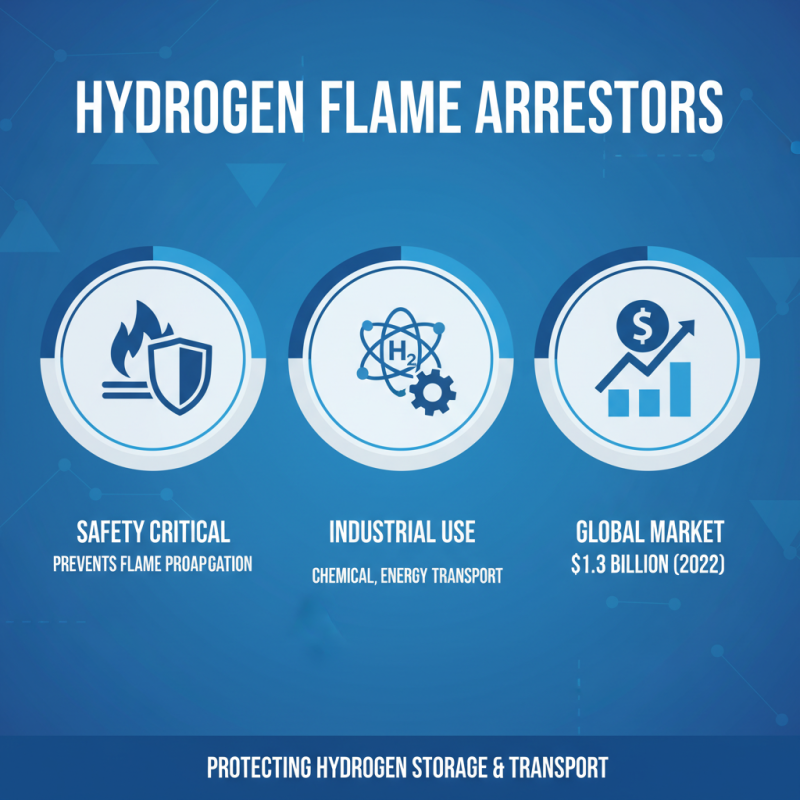
Hydrogen flame arrestors play a critical role in safety measures involving hydrogen storage and transport. These devices prevent flames from propagating into hazardous areas. In 2022, the global market for flame arrestors reached $1.3 billion, highlighting their importance in numerous industries, including chemical manufacturing and energy.
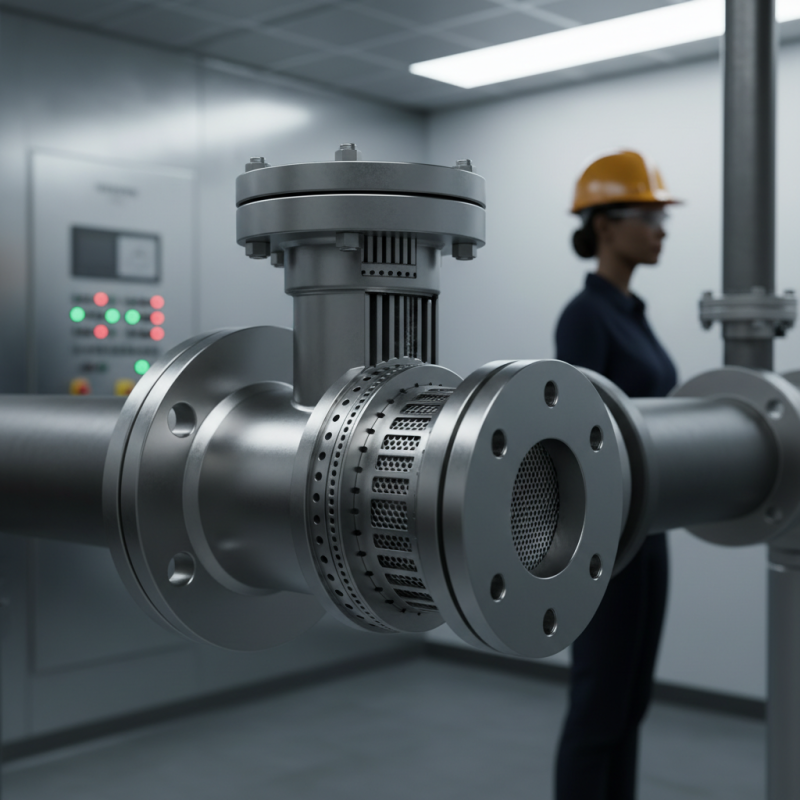
Understanding the design is crucial. Flame arrestors work by cooling and quenching the flame. They utilize a matrix of tubes or baffles, which limit the flow of flames. According to the National Fire Protection Association, hydrogen's high diffusivity makes it possible for flames to spread rapidly. Proper installation of the arrestor is essential; improper placement may lead to inefficiencies.
Users often overlook maintenance. Regular checks ensure these systems function effectively. A study noted that 20% of flame arrestors in industrial settings failed to function as intended due to corrosion. This highlights the need for routine inspections. Understanding materials and environmental factors can prevent costly accidents.
Key Safety Features to Look for in Hydrogen Flame Arrestors
When selecting a hydrogen flame arrestor, safety features are vital. A reliable device must offer a robust design, minimizing the risk of fire. Look for arrestors with high-temperature resistance. This ensures they can withstand intense conditions without failing. A durable construction can prevent accidents that may arise from wear and tear. Checking the material used is crucial for longevity.
Another essential feature is the flow rate capability. A well-designed arrestor should allow proper gas flow while blocking flames effectively. Too high or too low flow can lead to risks. It might be helpful to measure your specific needs. Understanding the application is important. Consider consulting with safety experts to refine choices.
Additionally, easy maintenance is key. A flame arrestor that requires frequent replacements can be costly and inconvenient. Regular inspections should be possible without extensive downtime. Think about the accessibility of the arrestor when installed. Ensure there’s a clear pathway for maintenance tasks. Ignoring these factors could lead to neglect, resulting in compromised safety.
Materials and Construction Considerations for Durability
When selecting a hydrogen flame arrestor, material and construction play crucial roles. Stainless steel is often favored for its durability against corrosion. It's vital to ensure that the metal can withstand high temperatures. Some manufacturers may cut corners by using lower-quality materials. This can compromise safety and longevity.
In terms of construction, look for features like welded seams. They provide stronger joints than bolts or rivets. However, not all welds are created equal; poorly executed welds can lead to failures. Inspecting weld quality is essential, yet many overlook this detail. Housing design also matters. A compact design might be cheaper, but it can limit heat dissipation.
Certifications can indicate quality, but they shouldn't be the only factor. Relying solely on labels may lead to regrets down the line. Always consider real-world feedback from users. It's important to choose a reliable source for your arrestor. Balancing material quality with good construction is key to ensuring optimal safety. Remember, your selection should reflect both rigorous standards and practical application.
Hydrogen Flame Arrestor Materials Comparison
Sizing and Installation Guidelines for Optimal Performance
When selecting a hydrogen flame arrestor, proper sizing is crucial for optimal safety. The size of the arrestor should match the specific application. Using an undersized device can lead to failure, while an oversized unit may be inefficient. It's essential to calculate flow rates accurately. A miscalculation can have serious consequences.
Installation follows sizing. Ensure the arrestor is positioned close to the source of potential ignition. Maintain proper distances from walls and other obstructions. This allows for effective venting. Avoid installation in areas prone to physical damage. Sometimes, installations require modifications. These changes should be made carefully, as improper installation can compromise safety.
Tip: Always verify the installation with local safety regulations. Regularly inspect flame arrestors for wear or malfunction. Updated maintenance can prevent unforeseen failures. Risk assessments should be part of your routine checks. Over time, small changes in installation can lead to significant risks. Stay vigilant.
Maintenance Best Practices for Hydrogen Flame Arrestors
When it comes to maintaining hydrogen flame arrestors, regular checks are crucial. These devices ensure safety by preventing flame propagation. Neglecting their upkeep can lead to severe risks.
Tips: Inspect your arrestors monthly. Look for signs of wear and tear. Replace any damaged components immediately. Keeping records of inspections is essential. This offers insights into potential issues.
Clean the arrestors often. Dust and debris can affect performance. Use a soft brush to remove buildup. Ensure that all connections are tight. Loose fittings can create dangerous leak points.
Keep an eye on the environment around the arrestor. Excessive heat or moisture can adversely affect its operation. Consider installing temperature and humidity monitors nearby. This proactive step helps identify issues promptly.
Regular training for staff on safety practices is vital. They should understand how the arrestor works and recognize when it might need servicing. Communication about possible flaws or needed maintenance should be encouraged.