How to Choose the Right Flame Arrestor for Tanks?
Choosing the right flame arrestor for tanks is a critical decision for safety and efficiency. Flame arrestors are essential for preventing the propagation of flames in storage tanks. They protect against explosions and potential damage caused by volatile substances. With various types available, understanding the unique requirements for your application is crucial.
Each tank has specific needs. The selection process begins with assessing the operational environment and the substances stored. Factors like pressure, temperature, and flammable characteristics must be considered. Moreover, the installation and maintenance of the flame arrestor for tanks affect its performance and reliability.
Despite existing guidelines, there may be uncertainties. Some users struggle with compliance and compatibility issues. It's vital to consult industry experts to ensure the right choice. Investing in quality flame arrestors enhances safety and minimizes risks in tank operations.
Understanding the Purpose of Flame Arrestors in Tanks
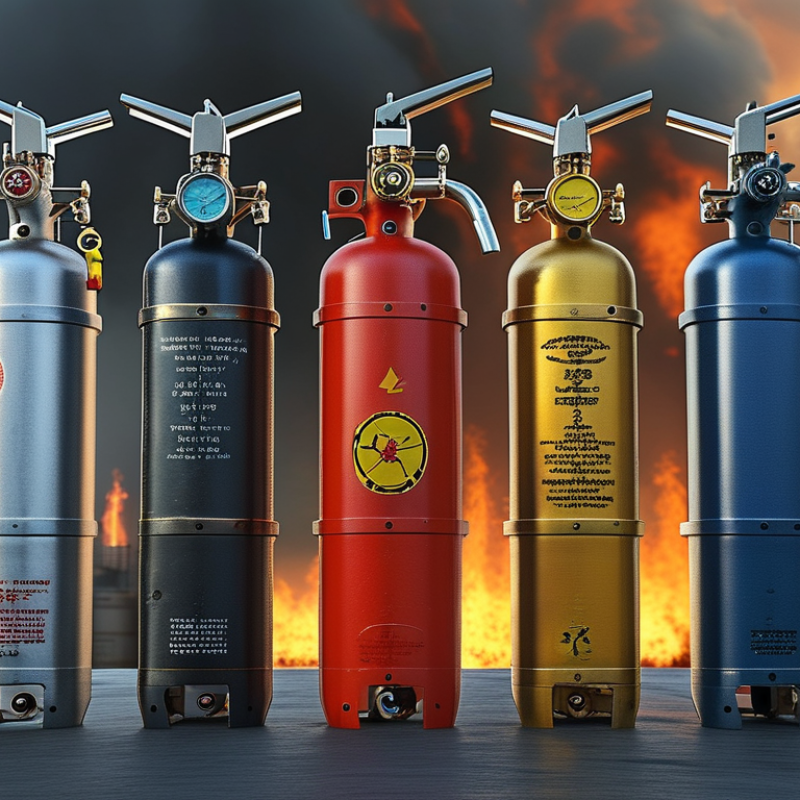
Flame arrestors play a crucial role in tank safety. They prevent flames or explosions from traveling back into tanks containing flammable substances. Understanding their function helps in selecting the right equipment for specific applications.
Various types of flame arrestors exist, including passive and active designs. Each type has distinct features suited for different environments. Knowing these differences is vital.
One important detail is the installation location. Correct placement of flame arrestors is essential for optimal performance. Ensuring they are positioned effectively can significantly enhance safety.
Additionally, regular maintenance is necessary. This aspect is often overlooked. Inspecting flame arrestors for wear and damage helps in preventing catastrophic failures. Relying solely on installation is insufficient.
Operators must prioritize ongoing assessment and care. This ensures the equipment functions correctly under all conditions. Engaging with experts in the field can also provide valuable insights. Proper knowledge and experience make a difference in the selection process.
Types of Flame Arrestors and Their Applications
Flame arrestors are crucial for safe storage tanks in various industries. They prevent flames from traveling back into the tank. Understanding the different types is essential for effective fire safety measures.
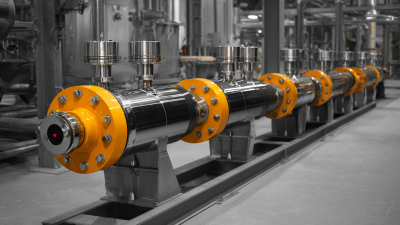
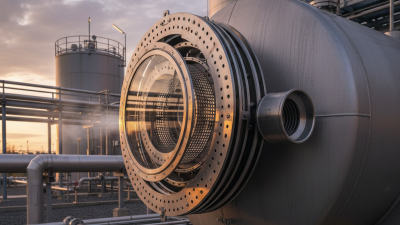
There are several types of flame arrestors, including mesh, deflagration, and detonation types. Mesh arrestors consist of a series of metal mesh layers. They absorb and dissipate heat, preventing ignition. The deflagration variant is designed to manage low-speed flame propagation. It is effective in handling vapor-air mixtures. According to a 2021 report from the Fire Safety Organization, improper selection of arrestors has led to a 15% increase in accidents over the past decade.
Detonation arrestors are used in high-risk environments. They are designed to withstand rapid pressure changes. Each type requires careful consideration based on installation specificities. Misalignment in installation can lead to catastrophic failures. Industry data suggests that nearly 25% of flame arrestor failures resulted from incorrect specifications or maintenance. Understanding these nuances can significantly improve safety protocols while reducing risks.
Key Factors to Consider When Selecting a Flame Arrestor
When selecting a flame arrestor for tanks, key factors come into play. Understand the specific application. Different environments have unique risks. Analyzing factors like tank size and fuel type is essential. The arrestor must fit the tank type to provide effective protection.
Tip: Always consult safety guidelines specific to your industry. This ensures compliance and enhances safety.
The installation process is equally important. A poorly installed flame arrestor can fail when needed most. Ensure that it has access for maintenance checks. Regular inspections can help detect potential issues. Adjustments may be necessary over time to maintain efficiency.
Tip: Use visual inspections as a first step in maintenance. Even small signs of wear can indicate larger problems.
Consider the material and construction of the flame arrestor. It must withstand the conditions it will face, like temperature and pressure fluctuations. The right material can prolong the life of the device, minimizing risks. Select based on long-term performance and reliability.
Tip: Look for industry standards that correlate with your chosen materials. It’ll guide you toward reliable options.
Maintenance and Inspection Practices for Flame Arrestors
Regular maintenance is essential for flame arrestors. These devices prevent flames from entering tanks or vessels. Inspecting them can be tricky. Often, the complex design makes full visual inspections challenging. A thorough understanding of their components is necessary for any inspection.
Routine checks should include looking for signs of corrosion or damage. Even small cracks can compromise safety. Ensure that all seals and gaskets are intact. Consider using specialized tools for deeper inspections. A professional assessment can be beneficial. It might reveal issues that are not visible during a standard check.
Documentation of inspections is crucial. Keeping track of maintenance history provides valuable insight. It helps in identifying patterns and potential weaknesses over time. Regular training for personnel is also necessary. They need to understand the importance of each inspection. Ignoring these practices can lead to costly mistakes. Ensuring safety is paramount in any industrial setting.
Regulatory Standards and Compliance for Flame Arrestors in Tanks
When selecting a flame arrestor for tanks, understanding regulatory standards is crucial. Regulatory bodies set standards that ensure safety and effectiveness. These standards vary by region and industry. They often specify requirements like flow rating, materials, and performance testing. Knowing these details helps in making informed decisions.
Compliance with these regulations is not optional. Non-compliance can lead to serious hazards and legal implications. Many companies struggle with understanding which standards apply to their operations. Regular audits and updates on regulations can mitigate risks. Furthermore, collaboration with safety experts can clarify complex requirements.
Documentation is vital for compliance. Proper records showcase adherence to standards. However, maintaining these records could be challenging. Mismanagement of documents can lead to pitfalls. Companies must prioritize accurate and accessible documentation to uphold their safety measures and avoid potential setbacks.