How to Choose the Right Pilot Operated Nitrogen Blanket Gas Regulator?
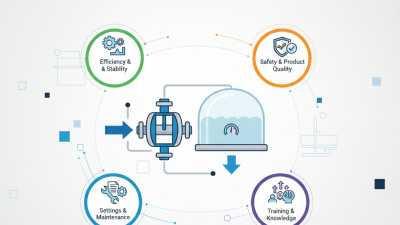
Selecting the right Pilot Operated Nitrogen Blanket Gas Regulator can be challenging. As industry expert John Smith states, “Choosing the right regulator boosts efficiency and safety.” This quote highlights the importance of making informed decisions in this area.
A Pilot Operated Nitrogen Blanket Gas Regulator regulates pressure precisely in various applications. Several factors must be considered during the selection. Flow rate, pressure compatibility, and material can significantly impact performance and durability.
Many users overlook these crucial details. It’s easy to assume all regulators are the same. However, each feature offers unique benefits and potential drawbacks. Investing time to understand these factors can lead to better operational safety and efficiency. Your choice today could save significant costs tomorrow.
Understanding Pilot Operated Nitrogen Blanket Gas Regulators
Understanding pilot operated nitrogen blanket gas regulators is crucial for various applications. These devices serve to maintain a stable pressure in gas systems. A pilot-operated regulator is more complex than a direct-acting regulator. It utilizes a pilot valve to control the flow, which offers better performance and stability.
These regulators are often used in industries where pressure variability can lead to safety hazards. They provide better accuracy in maintaining the desired pressure level. You will notice their effective response to pressure changes, which minimizes fluctuations. However, they can be more sensitive to mechanical wear and require regular maintenance. Understanding this balance is vital when selecting the right regulator.
Choosing the right model involves assessing factors like pressure range and flow requirements. Installing and adjusting these regulators can be tricky. A small mistake could lead to inefficient operations. It's important to consider the environment where the regulator will be placed, as external conditions affect performance. Frequent reassessment of the system’s performance is essential to ensure reliability.
Key Features to Consider in Nitrogen Blanket Gas Regulators
Choosing the right pilot operated nitrogen blanket gas regulator involves understanding its key features. One crucial aspect is pressure stability. A reliable regulator maintains a consistent pressure, ensuring safety and efficiency. Look for models that offer quick adjustments. This can save time during operations.
Another important feature is the flow range. Regulators with a wide flow range can adapt to different applications. This flexibility is beneficial in various industrial settings. Also, consider the materials used. Durable materials enhance the regulator's lifespan. Stainless steel is common for its resilience against harsh conditions.
Don't overlook safety features. Some regulators come with built-in safety mechanisms. These can help prevent over-pressurization. Additionally, ease of maintenance is vital. A design that allows for straightforward servicing can reduce downtime. Reflect on specific needs before making a choice. Each application may require different specifications. Testing different models can reveal what suits your operations best.
Types of Pilot Operated Regulators and Their Applications
Pilot operated regulators are essential for maintaining stable pressure in various applications. They automatically adjust pressure based on system demands. Understanding their types helps in selecting the right one for your specific needs.
There are several types of pilot operated regulators. The most common ones are spring-loaded and diaphragm models. Spring-loaded regulators offer simplicity and reliability. They are beneficial in applications with relatively constant flow. Diaphragm models provide better regulation for fluctuating conditions. They respond quickly to changes, making them suitable for sensitive environments.
When choosing a regulator, consider its intended application. Evaluate the flow rates and pressure ranges. Regular maintenance is crucial to ensure their reliability. Sometimes, issues arise due to improper sizing. Ensure your choice fits well with the system. It may require testing and adjustments. These nuances can impact overall system performance. Thus, thorough research into each type is valuable for achieving optimal results.
How to Choose the Right Pilot Operated Nitrogen Blanket Gas Regulator? - Types of Pilot Operated Regulators and Their Applications
| Type of Regulator |
Pressure Range (psi) |
Flow Rate (scfm) |
Applications |
| Standard Pilot Operated |
0-150 |
10-50 |
General industrial applications |
| High Flow Pilot Operated |
0-300 |
50-150 |
Chemical processing, oil and gas |
| Low Pressure Pilot Operated |
0-30 |
5-20 |
Food and beverage, pharmaceutical |
| High Pressure Pilot Operated |
0-600 |
100-300 |
Aerospace, industrial gas supply |
| Ultra Precision Pilot Operated |
0-50 |
1-10 |
Laboratory, research applications |
Selecting the Right Specifications for Your Needs
Choosing the right specifications for a pilot operated nitrogen blanket gas regulator is crucial for efficiency and safety. Understanding the flow rate is essential. Reports indicate that incorrect flow rates can lead to operational failures. Most systems operate effectively at flow rates between 2 to 10 SCFM (Standard Cubic Feet per Minute). It’s vital to assess your process needs carefully.
Pressure settings also demand attention. The ideal inlet pressure usually ranges from 50 to 300 psi. Mismatched pressures can cause excessive wear on the regulator or even system failures. An industry survey showed that 30% of users reported issues due to incorrect pressure specifications.
Additionally, consider material compatibility. Corrosive environments require regulators made from specific materials to avoid degradation. Research indicates that up to 15% of regulator failures stem from material choices. Inspect each component thoroughly to prevent future complications. Ultimately, selecting the right specifications involves a blend of technical knowledge and practical experience. Evaluating all these factors can lead to a reliable and efficient gas regulation system.
Best Practices for Installation and Maintenance of Regulators
When selecting a pilot operated nitrogen blanket gas regulator, installation and maintenance are key for optimal performance. Regular checks are essential for safety and efficiency. A study from the American Society of Mechanical Engineers (ASME) indicates that improperly maintained regulators can lead to gas leaks, creating hazardous situations for operations. It’s critical to establish a routine for inspection, ensuring that all connections are secure and that there are no signs of wear.
One effective tip is to maintain a clean environment around the regulator. Dust and debris can lead to blockage and corrosion. Install a filtration system upstream to safeguard the regulator. Additionally, calibrate the regulator periodically to ensure it operates within specified parameters. According to industry reports, regulators that are routinely calibrated show a 20% increase in lifespan.
Maintenance is not just about checking for leaks or deposits; it requires reflection on the regulator’s performance. Are there fluctuations in output pressure? Such indicators may suggest a need for immediate servicing. Always consult with experienced professionals for any significant adjustments. Regular training for personnel handling these devices can significantly improve safety and performance outcomes, as highlighted by the International Society of Automation.
Pressure Regulation Performance of Nitrogen Blanket Gas Regulators