How to Choose the Right Pressure Relief Valve for Your Needs
Choosing the right Pressure Relief Valve is essential for safety and efficiency. With many options available, making the right decision can feel overwhelming. Each type has unique features. Understanding these will help you meet your specific needs.
Pressure Relief Valves are crucial in preventing system failures. They control pressure levels effectively, ensuring safe operation. However, not all valves suit every application. Factors like pressure range and fluid type influence your choice. Ignoring these aspects could lead to operational risks.
When selecting a Pressure Relief Valve, consider both technical specifications and your operational context. For instance, a poorly chosen valve may lead to leaks or explosions. Reflecting on your requirements will guide you toward a safer solution. Careful consideration now can save you from future headaches.
Understanding Pressure Relief Valve Types and Their Applications
When selecting a pressure relief valve, understanding the types and their applications is crucial. Pressure relief valves primarily fall into two categories: spring-loaded and pilot-operated. Spring-loaded valves are often simpler and more reliable. They handle low-pressure applications effectively. Conversely, pilot-operated valves offer better performance for high capacity and variable flow situations. Their designs allow for more precise control of pressure.
Data from industry reports indicates that optimal valve selection can reduce system failures by 30%. This highlights the significance of matching valve types to specific needs. In chemical processing, for example, safety and efficiency depend heavily on appropriate pressure relief mechanisms. Failure to choose correctly can lead to hazardous situations.
Consider applications in oil and gas. Using the wrong valve type can result in leaks or equipment damage. Some facilities still overlook maintenance needs. Regular inspections and recalibrations are often neglected. It’s essential to reflect on these practices. Small oversights can lead to significant risks in high-pressure environments. Understanding the specific application and conditions will guide better decision-making.
Pressure Relief Valve Types and Their Applications
Key Factors to Consider When Selecting a Pressure Relief Valve
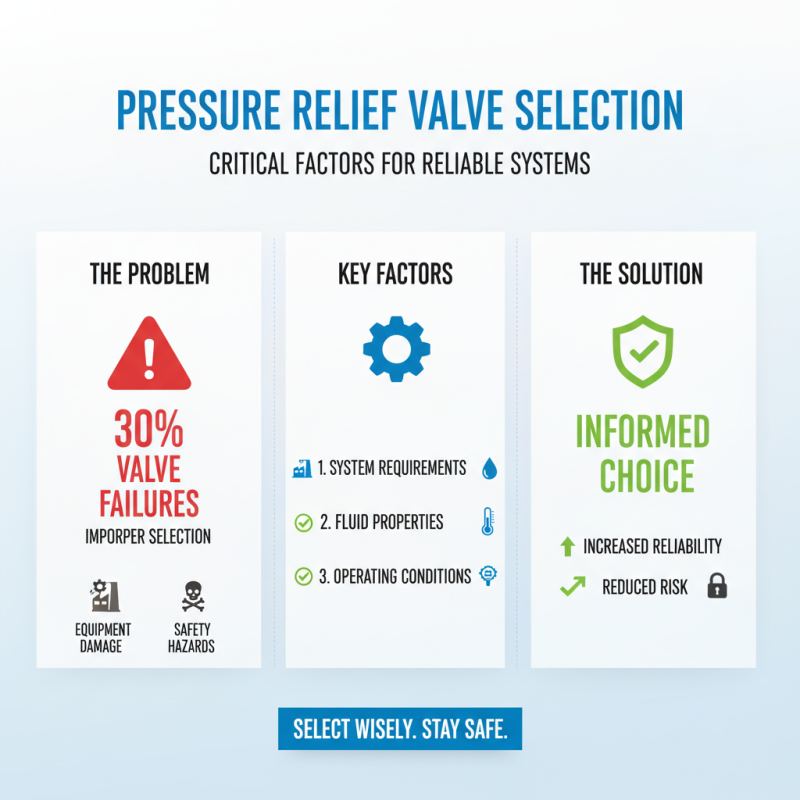
Choosing the right pressure relief valve can be challenging. Several key factors affect this decision. Understanding the system's requirements is crucial. Factors include pressure ratings, temperature, and the fluid type. Each aspect plays a vital role in valve selection.
Another important consideration is the valve's set pressure. It must match the system's operational limits. Precision is vital here. If the set pressure is too low, the system may not operate efficiently. If it's too high, it can be dangerous.
Don't overlook the material of the valve. It needs to withstand your specific environment. Corrosion can damage a valve quickly. A wrong choice may lead to frequent replacements. Consider the maintenance needs as well. A valve that is hard to maintain can lead to costly downtimes. Always think through these factors before making a selection.
Evaluating Pressure Ratings and Specifications for Your System
When selecting a pressure relief valve, evaluating pressure ratings and specifications is crucial. Start by understanding your system's operating pressure. This includes maximum and minimum pressures. Knowing these details helps in choosing the right valve. An incorrect choice could lead to operational failures or safety hazards.
Consider the valve's set pressure. It should match your system specifications. Look for the pressure range provided in the valve's data sheet. Some valves may not cover your needs. A misunderstanding here can cause inefficiencies. Check the material compatibility with your fluids as well. Some materials may corrode or deteriorate over time, which is critical to watch.
Reflect on how different conditions impact the valve operation. For example, changing temperatures can affect performance. Do not ignore these factors; they can greatly influence the system's safety. Testing the valve under actual conditions might reveal shortcomings. Regular assessment ensures it continues to meet your needs effectively. Choosing the right pressure relief valve is not just a decision; it's an ongoing commitment to safety and efficiency.
How to Choose the Right Pressure Relief Valve for Your Needs - Evaluating Pressure Ratings and Specifications for Your System
| Valve Type |
Pressure Rating (PSI) |
Connection Size (inches) |
Material |
Application |
| Spring Loaded |
150 |
2 |
Stainless Steel |
Water Applications |
| Pilot Operated |
300 |
1.5 |
Brass |
Oil and Gas |
| Weighted |
75 |
3 |
Cast Iron |
Steam Systems |
| Safety Relief |
500 |
4 |
Carbon Steel |
Air Compression |
| Tri-Clamp |
150 |
2.5 |
316 Stainless Steel |
Food and Beverage |
Installation and Maintenance Best Practices for Pressure Relief Valves
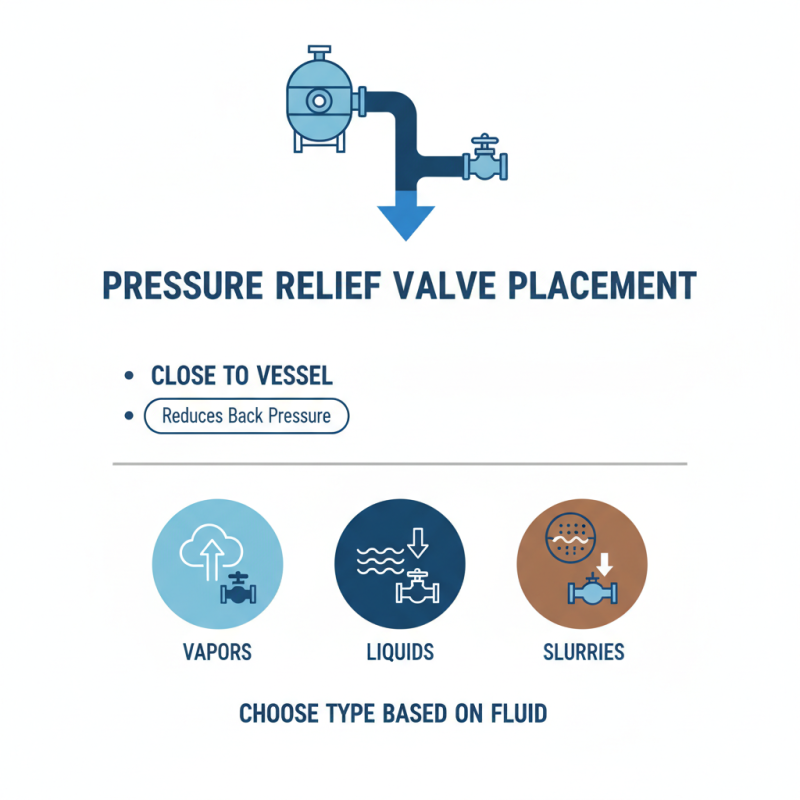
When installing a pressure relief valve, placement is crucial. It should be as close as possible to the vessel it protects. This reduces potential back pressure. Consider the type of fluid in your system. Vapors, liquids, and slurries all respond differently. Each requires specific valves for optimal performance.
Maintenance is essential for the longevity of your valves. Regular inspections help identify wear or corrosion. Look for signs of leaks. Check the settings to ensure they haven't drifted. If a valve doesn’t relieve pressure correctly, it can lead to catastrophic failures.
Tips: Always keep a maintenance log. Document any changes and inspections. This creates a reliable history for troubleshooting. Consult the manufacturer's guidelines for specific maintenance schedules, but don't hesitate to adapt as needed. Frequent small checks can prevent larger issues down the line. Always be vigilant. Small oversights can lead to bigger problems later.
Common Mistakes to Avoid When Choosing a Pressure Relief Valve
Selecting the right pressure relief valve is critical. Many overlook key factors, leading to poor choices. According to a recent industry report, over 30% of valve failures stem from improper selection. This can result in serious operational risks, including equipment damage or safety hazards. Understanding your system's requirements is essential.
One common mistake is underestimating the system pressure. Many engineers mistakenly select valves based solely on nominal specifications. In reality, pressure spikes often exceed these numbers, compromising safety. A valve rated too low could fail when needed most. Consider all operational conditions, including temperature and flow rates. Data suggests that nearly 25% of incidents involve valves not rated for the specific application.
Another frequent oversight is ignoring maintenance needs. Pressure relief valves require regular inspection and testing. Neglecting this can lead to valve sticking or failure to open. Reports indicate that around 20% of valves fail during testing due to lack of upkeep. Ensure your selection process includes a clear maintenance plan. Evaluate your team's capability to perform routine checks. Reflecting on these areas can significantly improve your safety and operational efficiency.