How to Choose the Right Flame Arrestor for Your Safety Needs?
Choosing the right Flame Arrestor is crucial for safety in various industries. According to a report by the National Fire Protection Association (NFPA), improper flame protection causes numerous industrial accidents annually. Experts warn that selecting the wrong type can lead to catastrophic results. John Smith, a renowned flame safety expert, states, “The right Flame Arrestor can be the difference between a minor incident and a major disaster.”
Flame Arrestors are designed to prevent flame propagation in equipment handling flammable gases. They come in various designs and materials, making selection a nuanced process. Each application has specific needs for efficiency and reliability. For instance, a refinery might require different specifications than a chemical plant. Ignoring these details can compromise safety.
Many industries fall short in understanding the significance of Flame Arrestors. This oversight can stem from a lack of training or resources. Not every organization prioritizes updated training in fire safety. Continuous education is vital to address these gaps. A well-chosen Flame Arrestor can save lives and property. Yet, the impact of those choices is often underestimated.
Importance of Flame Arrestors in Safety Applications
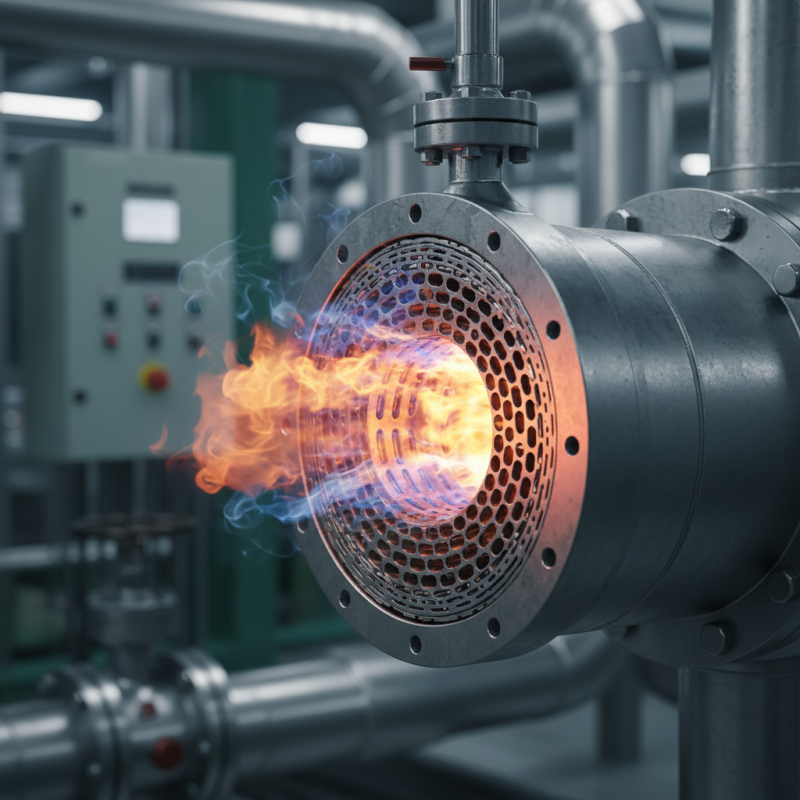
Flame arrestors play a crucial role in ensuring safety across various industries. Their primary function is to prevent flames from traveling back into storage tanks or processing equipment. According to a report by the National Fire Protection Association (NFPA), improperly installed or maintained flame arrestors can lead to catastrophic incidents. Ensuring their effectiveness is not just a regulatory concern but a matter of life and property.
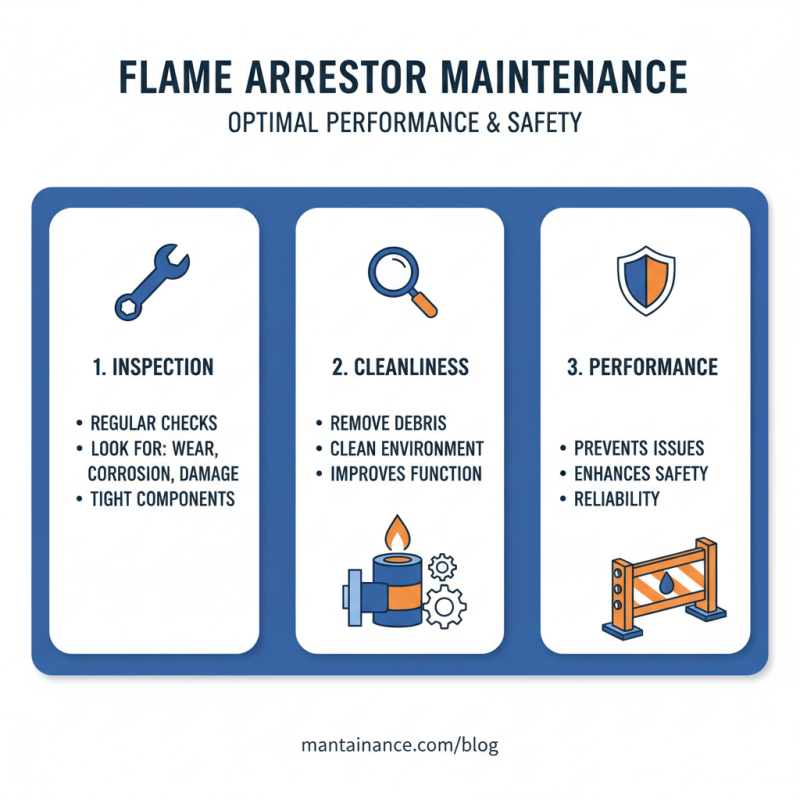
Tips: Regularly inspect your flame arrestor for signs of wear or damage. Routine maintenance can prevent costly accidents.
Choosing the right flame arrestor involves understanding specific applications. For example, a vapor recovery system in the petrochemical industry has different requirements than those in grain storage. Research reveals that around 30% of industrial accidents are linked to inadequate safety measures, including flame arrestor failures. This highlights the importance of tailored solutions for each application.
Tips: Consult industry standards when selecting a flame arrestor. These guidelines provide valuable insights into what fits your needs. Always prioritize quality over cost; it pays off in the long run.
Flame Arrestor Effectiveness by Type
This chart illustrates the effectiveness ratings of different types of flame arrestors. The ratings are on a scale from 0 to 100, indicating how well each type performs in safety applications. Metallic and composite flame arrestors demonstrate the highest effectiveness ratings, making them ideal choices for safety needs.
Types of Flame Arrestors Available on the Market
When selecting a flame arrestor, understanding the types available is crucial. There are various options on the market. The most common types include passive and active flame arrestors. Passive flame arrestors rely on barriers, while active systems often use sensors. Each type offers different levels of protection.
Passive models are typically easier to install and maintain. However, they may not handle all scenarios effectively. On the other hand, active arrestors provide real-time monitoring. They can shut down processes automatically, which adds a layer of safety. But, they require more regular maintenance.
Choosing the right type depends on specific safety needs. Consider factors like environment and application. A clearer picture helps prevent mistakes. It’s important to evaluate the risks of your operation. Reflect on past incidents; they often reveal what could go wrong. The right flame arrestor can protect lives and property, making informed choices essential.
How to Choose the Right Flame Arrestor for Your Safety Needs?
| Type of Flame Arrestor |
Applications |
Material |
Pressure Rating |
Temperature Range |
| Mesh Flame Arrestor |
Gas pipelines |
Stainless Steel |
Up to 10 bar |
-20°C to 200°C |
| End-Of-Line Flame Arrestor |
Storage tanks |
Aluminum |
Up to 5 bar |
-40°C to 150°C |
| Inline Flame Arrestor |
Ventilation systems |
Carbon Steel |
Up to 20 bar |
-10°C to 300°C |
| Pressure Relief Flame Arrestor |
Chemical processing |
Brass |
Up to 3 bar |
-30°C to 100°C |
Factors to Consider When Choosing a Flame Arrestor
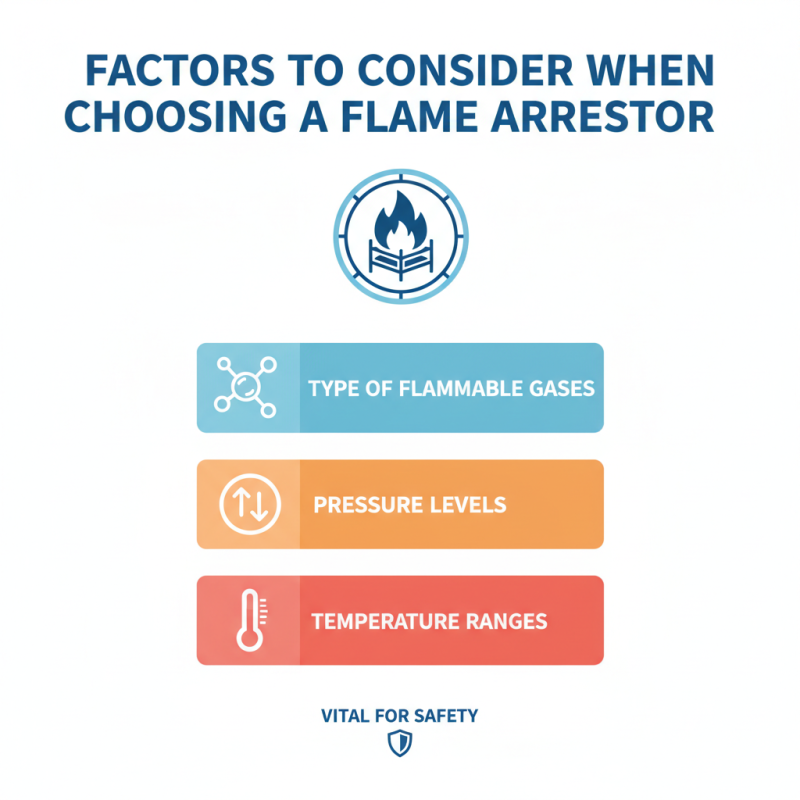
Choosing the right flame arrestor is vital for safety. When selecting a flame arrestor, several factors demand consideration. Key characteristics include the type of flammable gases, pressure levels, and temperature ranges involved in your processes.
Data from the National Fire Protection Association indicates that improper equipment can lead to fire incidents in industrial settings. Flame arrestors must be compatible with specific applications. For instance, a device designed for methane may not be adequate for hydrogen. Specifications matter, as inadequate models can create safety risks. Experts recommend reviewing your operational environment carefully.
Pressure ratings are another essential aspect. Many flame arrestors operate effectively up to 10 bar, yet some processes demand higher limits. A mismatch can result in device failure. It's also important to consider installation and maintenance needs. Inadequate upkeep has led to higher failure rates in operational studies. Ignoring these details complicates safety and efficiency. Analyzing your needs could prevent accidents and ensure a secure working atmosphere.
How to Assess Your Specific Safety Needs
Assessing your specific safety needs is crucial when choosing a flame arrestor. Different industries have unique requirements based on their operations. According to a report from the National Fire Protection Association, approximately 30% of industrial incidents result from explosions. This statistic emphasizes the importance of selecting the right equipment to prevent a potential disaster.
Start by evaluating your working environment. Consider factors like the materials handled and the processes involved. For instance, industries like chemical manufacturing face higher risks involving flammable vapors. Data from OSHA indicates that facilities must conduct safety audits regularly. These audits help determine the necessary protective measures, including flame arrestors.
Another essential aspect is understanding regulatory standards. Industry guidelines often dictate the specifications for flame arrestors. An alarming percentage, about 40%, of organizations fail to meet compliance. This oversight can lead to severe consequences. Conducting thorough assessments can pinpoint areas needing improvement. Proper training and awareness will enhance safety practices within your organization.