How to Choose the Right Tank Flame Arrestor for Your Needs?
In the realm of industrial safety, choosing the right Tank Flame Arrestor is crucial. According to Dr. Emily Carter, an industry expert, "A well-chosen flame arrestor can prevent disasters." This statement highlights the importance of making informed decisions.
Selecting the appropriate Tank Flame Arrestor involves understanding specific needs. Consider materials, tank size, and the environment. For instance, a stainless-steel option may suit corrosive conditions better than aluminum. Many overlook these details, which can lead to inadequate safety measures.
Moreover, it’s essential to reflect on the long-term implications of your choice. An ill-suited arrestor may not function properly, putting lives at risk. Regular maintenance and proper installation are key. Remember, a Tank Flame Arrestor is only as effective as its application. Ensure your decision protects your assets and personnel effectively.
Factors to Consider When Selecting a Tank Flame Arrestor
When selecting a tank flame arrestor, several critical factors come into play. Understand your industry and application. Many industries report that proper flame arrestors can reduce incidents by over 50%. For example, the petrochemical sector faces unique risks. Choosing a device that meets specific volatile organic compound (VOC) requirements is vital. Not all arrestors are created equal, and mismatch can lead to severe safety hazards.
Material choices are essential. Stainless steel and aluminum are common options. A report by the American Petroleum Institute highlights that corrosion resistance is a paramount consideration. But, not every condition calls for expensive materials. An oversight in this area can lead to installation failures. Assess the environment carefully. High temperatures or corrosive substances may necessitate different specifications.
Sizing is equally important. An incorrectly sized arrestor can fail to mitigate risks. Many professionals underestimate the need for appropriate flow rates. Statistics suggest that nearly 30% of flare-related incidents are due to improper sizing. Test your process conditions. Conducting a thorough analysis can prevent costly mistakes. Even small miscalculations can lead to oversized units that affect performance.
How to Choose the Right Tank Flame Arrestor for Your Needs? - Factors to Consider When Selecting a Tank Flame Arrestor
| Factor |
Description |
Importance Level |
| Type of Liquid |
Consider the physical and chemical properties of the liquid being stored. |
High |
| Ventilation Requirements |
Assess the need for adequate air flow to prevent vapor build-up. |
Medium |
| Temperature Range |
Identify the temperature conditions of the environment where the tank operates. |
High |
| Compliance Standards |
Ensure the arrestor meets local and international safety regulations. |
High |
| Flow Rate |
Determine the required flow rate to handle maximum discharge conditions. |
Medium |
| Ease of Maintenance |
Consider how easy it is to clean and maintain the flame arrestor. |
Medium |
| Material Compatibility |
Select materials that are compatible with the stored liquid to avoid corrosion. |
High |
Understanding the Different Types of Tank Flame Arrestors Available
When selecting a tank flame arrestor, understanding the types available is crucial. There are primarily two categories: passive and active flame arrestors. Passive flame arrestors are designed to prevent flame propagation through a tank or vent. They can withstand high temperatures, making them suitable for various industrial applications. Active flame arrestors, on the other hand, use a mechanism that reacts to flames, allowing for additional safety measures. Industry reports indicate that about 40% of fire incidents occur due to improper venting systems. Choosing the right type can significantly reduce risks.
Tip: Assess the specific conditions of your environment to determine the best flame arrestor type. Consider factors like temperature variations and pressure levels. Not all arrestors fit every situation, and the wrong choice can lead to serious hazards.
In addition to type, material is also vital. Common materials include aluminum, stainless steel, or plastic composites. While aluminum is lightweight and cost-effective, stainless steel offers more durability against corrosion and high temperatures. A 2021 report highlighted that 30% of tank failures were linked to material inadequacies, emphasizing the need for careful selection.
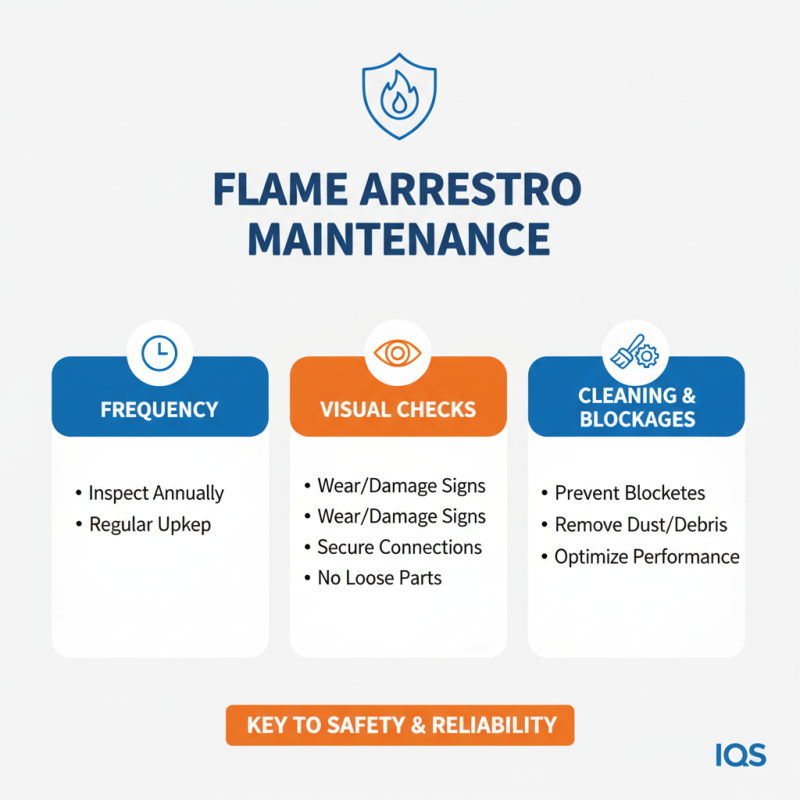
Tip: Regular maintenance is essential. Even the best flame arrestors can fail without proper care. Inspecting them frequently can prevent malfunctions and ensure they function correctly, contributing to a safer operational environment.
Regulatory Compliance: Standards for Flame Arrestors in Industry
Choosing the right tank flame arrestor involves understanding regulatory compliance. The standards vary across industries but share common principles. Flame arrestors are designed to prevent the propagation of flames into tanks and piping systems. They are vital for safety in facilities storing flammable liquids and gases.
Many industries must adhere to specific regulations. These may include the National Fire Protection Association (NFPA) codes and others set by local authorities. Flame arrestors should be tested and certified for the intended application. Compliance ensures proper functioning in high-risk environments. However, navigating these regulations can be daunting for companies. The details matter, and overlooking them may lead to unsafe conditions.
Certification processes often require meticulous documentation. Failing to maintain records can result in complications during inspections. Additionally, facilities need to regularly evaluate equipment condition. Wear and tear can affect performance. Emphasizing maintenance is crucial. Regular checks help identify potential issues before they escalate into serious problems. This proactive approach fosters a safer working environment.
Performance Metrics: Assessing Flame Arrestor Efficiency and Reliability
Flame arrestors play a critical role in safety. Their efficiency directly impacts performance. When assessing a flame arrestor, consider dimensions and design. The size should match your tank. A poorly sized arrestor won't provide adequate protection. Efficiency metrics matter. Look for data on the maximum allowable pressure drop. A high pressure drop indicates potential issues.
Reliability is another key factor. Check the materials used. Some materials withstand higher temperatures better than others do. Additionally, durability is crucial. Inspect ratings for wear and tear over time. Frequent replacements can indicate unreliable performance.
Real-life performance testing often reveals gaps. Manufacturers' claims may not align with actual results. Seek third-party testing data for assurance. Understand your specific needs and conditions. A flame arrestor that works for one scenario may fail in another. Be prepared to reassess your selection. Balancing efficiency and reliability requires careful thought and analysis.
Flame Arrestor Efficiency and Reliability Metrics