How to Choose the Right Vacuum Breaking Valve for Your Needs?
Choosing the right Vacuum Breaking Valve can greatly influence your system's efficiency. These valves prevent vacuum formation in pipelines, which can lead to operational issues. They are essential in various industries, from water treatment to chemical processing.
It's important to consider your specific needs when selecting a Vacuum Breaking Valve. Factors like the fluid type, pressure range, and installation environment play a crucial role. Not all valves are suitable for every application. Some may handle certain pressures better than others. Evaluating these aspects ensures you avoid costly mistakes.
Understanding the importance of expert guidance in this area cannot be overstated. The right choice impacts not only efficiency but also safety in operations. Overlooking certain features may lead to valve failure or inefficiencies. Therefore, take your time to research and reflect on your requirements before making a decision.
Understanding Vacuum Breaking Valves and Their Functions
Vacuum breaking valves play a crucial role in various systems by preventing the formation of unwanted vacuums. These devices allow air into a system when the pressure drops, which protects pipelines and equipment from collapse or damage. Understanding their functions is vital for selecting the right valve for your application.
When choosing a vacuum breaking valve, consider the specific needs of your system. Assess factors such as pressure ratings and flow rates. Each application may demand different specifications. Failing to account for these can lead to inadequate performance. Always consult with experts to gain insights into the best choices for your setup.
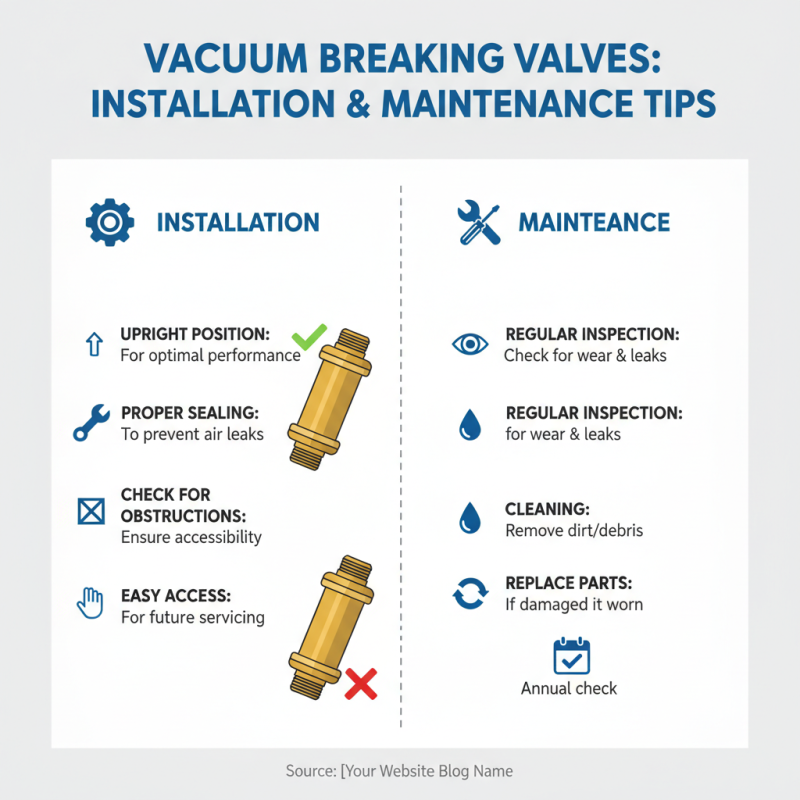
Here are some tips: ensure compatibility with the medium being handled. Check the materials used in valve construction. Valves must withstand the environment they're placed in. Additionally, evaluate the installation location and space constraints. A well-placed valve can maximize efficiency and longevity.
Sometimes, users overlook regular maintenance. This can lead to reduced reliability over time. Recognizing the importance of upkeep is essential. Implementing a scheduled inspection can prevent unexpected failures. Vacuum breaking valves are vital components. Selecting the right one ensures smooth operations in any system.
How to Choose the Right Vacuum Breaking Valve for Your Needs?
| Valve Type |
Operating Pressure (psi) |
Material |
Flow Capacity (GPM) |
Applications |
| Standard Vacuum Valve |
10 - 25 |
PVC |
15 |
Water Treatment |
| High-Pressure Vacuum Valve |
25 - 50 |
Stainless Steel |
30 |
Chemical Processing |
| Low-Temperature Vacuum Valve |
5 - 15 |
Aluminum |
20 |
Food and Beverage |
| Automated Vacuum Valve |
15 - 30 |
Brass |
25 |
HVAC Systems |
Key Factors to Consider When Selecting a Vacuum Breaking Valve
Choosing the right vacuum breaking valve is crucial for efficient system operation. One key factor is the flow rate. Evaluate the maximum and minimum flow requirements of your system. This ensures the valve can handle the necessary pressure fluctuations.
Another important consideration is the valve material. Selecting the right material prevents corrosion and ensures durability. Look for options that match the fluid type in your system. PVC, stainless steel, and brass are common choices, each with its advantages and drawbacks.
Additionally, installation space could pose challenges. Check the dimensions and make sure the chosen valve fits your setup without obstructing other components. It's worth noting that improperly sized valves can lead to system inefficiencies. Always prioritize reliable performance over initial cost. When in doubt, consulting with a professional can provide clarity and confidence in your choice.
How to Choose the Right Vacuum Breaking Valve for Your Needs?
This chart displays the key factors to consider when selecting a vacuum breaking valve, based on performance criteria. The dimensions include flow rate, pressure rating, and material compatibility.
Types of Vacuum Breaking Valves and Their Applications
Vacuum breaking valves are essential in various applications. They prevent unwanted vacuum conditions from damaging systems. Different types exist, including mechanical and automated valves. Each type serves specific needs, making it crucial to choose wisely.
Mechanical vacuum breaking valves rely on physical mechanisms. They can be simple to operate and require less maintenance. However, they may not respond as quickly to changing conditions. Automated valves use sensors and controls. This offers precise performance. They can detect oncoming vacuum pressure, reacting in real time.
Applications vary widely. In irrigation, these valves protect against siphoning. In industrial systems, they ensure safe operation by preventing vacuum-related failures. While selecting a valve, consider size, pressure ratings, and response time. The choice can significantly impact system performance.
Reflecting on actual needs is vital. Sometimes it's challenging to predict how a valve will perform under different conditions. Ensuring you have the right information is key.
How to Determine the Appropriate Size and Pressure Rating
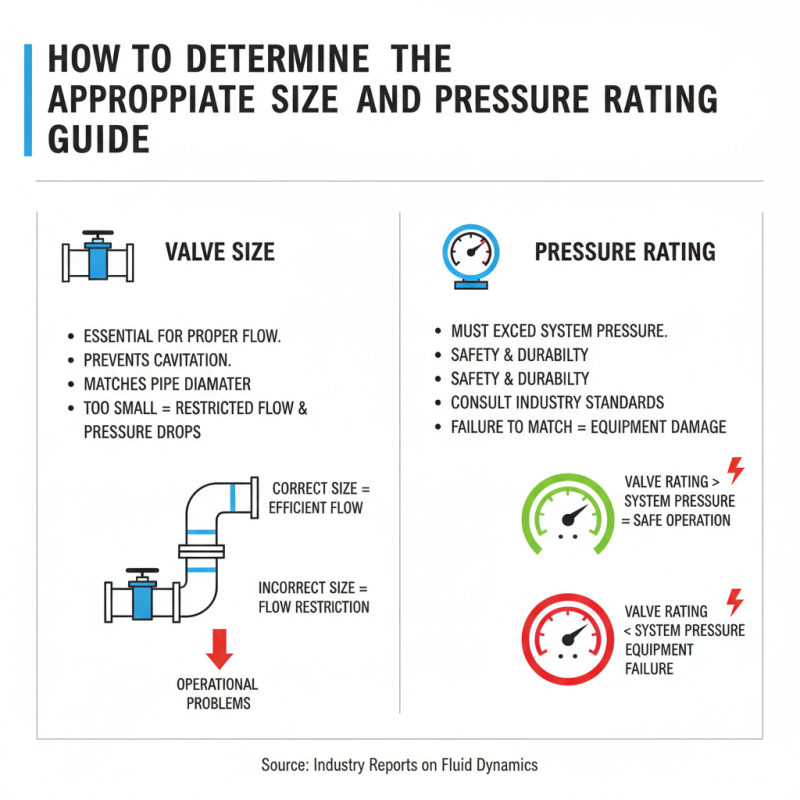
When selecting a vacuum breaking valve, assessing size and pressure rating is essential. The right size ensures proper flow and prevents cavitation. According to industry reports, valves should match the pipe diameter to maintain efficiency. A mismatch in size can lead to operational problems. For example, a valve that is too small may restrict flow and cause excessive pressure drops.
Pressure ratings also play a crucial role. Most applications require valves that can withstand specific pressure levels. Data from engineering studies suggests that valves should be rated at least 1.5 times the maximum operating pressure. This provides a safety buffer against pressure spikes. In practice, many valves fail to perform under unexpected stress. This may lead to costly repairs and downtime.
Choosing the right valve involves balancing these factors. A valve can be oversized, leading to increased costs and inefficient operation. Conversely, an undersized valve can cause significant failures. Professionals often recommend consulting with engineers during the selection process. Practical experience shows that proper sizing and pressure rating significantly enhance system reliability.