How to Choose the Right Varec Pressure Vacuum Relief Valve?
Choosing the right Varec Pressure Vacuum Relief Valve can significantly affect operational safety and efficiency. Industry expert Dr. John Smith, a leading figure in pressure control systems, emphasizes, "Selecting the correct valve is crucial for maintaining system integrity." This highlights the importance of making an informed decision.
The Varec Pressure Vacuum Relief Valve plays a vital role in preventing overpressure and vacuum conditions in storage tanks. It protects against potential hazards, ensuring safe product handling. However, not all valves are created equal. Each application has unique requirements, influencing the selection process.
Understanding specifications and operational parameters is essential. Factors like pressure ratings, flow capacities, and installation environments should be considered. Engaging with experienced professionals during the selection process can foster better outcomes. It’s crucial to avoid a one-size-fits-all mindset, as each scenario demands tailored solutions.
Understanding the Functionality of Varec Pressure Vacuum Relief Valves
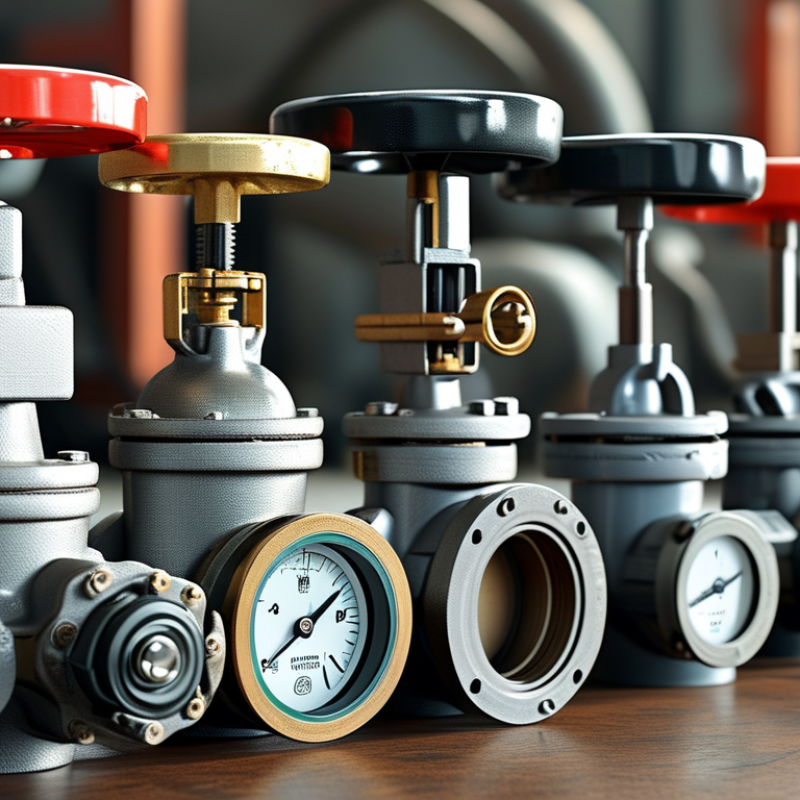
Varec pressure vacuum relief valves play a crucial role in maintaining safe operational conditions in various industrial applications. These valves protect storage tanks from pressure fluctuations. They allow gases to vent during filling while preventing outside air from entering. This prevents potential tank collapse or overpressure scenarios that may lead to hazardous situations.
Understanding how these valves function is vital for effective selection. They typically consist of a spring-loaded mechanism that opens at specific pressure levels. If pressure exceeds a preset threshold, the valve opens to release excess pressure. Conversely, it closes to maintain internal pressure during a vacuum condition. Users need to consider factors like tank size, operational pressure, and the media stored. These elements significantly influence the valve's specifications and performance.
Choosing the right valve isn’t always straightforward. It's essential to analyze operational conditions carefully. A mismatch could lead to inefficient functioning or safety issues. Often, there’s a risk of either oversizing or undersizing the valve. Each application is unique, and a thorough understanding of specific needs is necessary. Reflection on past experiences can guide improved decisions in valve selection. This process ensures safety and efficiency in storage management.
How to Choose the Right Varec Pressure Vacuum Relief Valve? - Understanding the Functionality of Varec Pressure Vacuum Relief Valves
| Feature |
Description |
Importance |
Recommended Specifications |
| Pressure Setting |
The pressure at which the valve opens to release excess pressure. |
Critical for preventing over-pressure situations in storage tanks. |
Typically set between 1-2 psi. |
| Vacuum Setting |
The vacuum level at which the valve opens to allow air into the tank. |
Essential for maintaining tank integrity and preventing collapse. |
Usually set between 1-1.5 psi. |
| Material |
Material construction of the valve body and components. |
Affects durability and suitability for various chemicals. |
Common materials include aluminum, stainless steel, and PVC. |
| Flow Rate |
The rate at which vapor can escape or enter the tank. |
Important for efficient pressure relief and tank operations. |
Should match or exceed the maximum vapor release requirements. |
| Size |
Physical dimensions of the valve. |
Ensures proper fit and operation within the tank system. |
Select according to tank inlet/outlet sizes. |
Identifying the Specific Application Requirements for Your System
Choosing the right pressure vacuum relief valve requires careful consideration of your system's specific application requirements. Not every valve is suitable for all situations. Factors like temperature, pressure, and fluid type should be evaluated. The right valve must handle the operational environment effectively, ensuring safety and efficiency.
Consider the material compatibility of the valve. For example, corrosive fluids require valves made from resistant materials. Analyze the pressure ranges within your system. A valve that cannot accommodate these ranges may lead to failures or leaks. It's essential to weigh these aspects against the performance standards needed for your application.
Moreover, do not overlook the implications of installation. A poorly fitted valve can compromise system integrity. Reflect on the practicality of maintenance access once the system is in place. Valves that are easy to reach can save time and costs later. Think about these details critically to avoid future complications. Understanding your needs will guide you to the most reliable solution.
Evaluating the Pressure and Vacuum Ratings for Optimal Performance
When selecting a pressure vacuum relief valve, pressure and vacuum ratings are crucial. The right valve ensures safe operations and protects storage tanks. According to the American Petroleum Institute, improper rating can lead to tank failure or loss of contents. Most industry standards recommend that valves operate within a specific pressure range. This is essential for preventing internal collapses or overpressure situations.
Evaluation of vacuum ratings also demands attention. A valve with inadequate vacuum strength might fail during a sudden temperature drop. Reports indicate that 70% of tank failures relate to improper vacuum relief settings. Regularly assessing the environmental conditions is vital. Factors such as temperature fluctuations and product volatility could impact performance.
In practice, many companies overlook routine maintenance on valves. This neglect can lead to unexpected costs and operational downtime. Industry experts suggest periodic testing of pressure and vacuum relief valves every six months. Awareness around these ratings enhances both reliability and efficiency in tank operations. Even though guidelines exist, many installations still face challenges. Adopting a proactive approach to valve selection and evaluation is necessary for long-term success.
Considering Material Compatibility and Environmental Factors
Choosing the right pressure vacuum relief valve involves multiple factors, primarily including material compatibility and environmental considerations. It's crucial to match the valve materials to the substances they will encounter. For instance, certain metals corrode quickly in specific chemicals. According to a report by the National Association of Corrosion Engineers, corrosion damages industrial facilities, costing billions annually. Thus, selecting materials that resist corrosion can save significant resources.
Consider environmental factors as well. Temperature extremes can affect valve performance. High temperatures may weaken seals, potentially leading to leaks. A study published in the Journal of Loss Prevention in the Process Industries noted that improper material selection led to incidents in over 30% of facility failures. It's essential to assess the operational temperature range and choose appropriately.
Tips: Always conduct thorough compatibility tests. Don’t overlook minor details; they can lead to major failures. Regular inspections can help identify material degradation before it becomes serious. Additionally, communicate with manufacturers about specific operating conditions. They often provide valuable insights that can prevent mishaps. Reflect on your past choices; each error can inform better future decisions.
Comparing Design Features and Maintenance Needs Among Options
Choosing the right Varec pressure vacuum relief valve is essential for safety and efficiency. When it comes to design features, consider your specific operational needs. Some valves offer features like adjustable pressure settings, making them more versatile. Others provide a simpler design but may not fit varied applications. Evaluate your processes to determine which design best meets your demands.
Maintenance needs can vary significantly among valve options. Some models require regular inspection to ensure proper functioning. Others may have more straightforward maintenance routines, reducing downtime. Check the materials used in the valve's construction as well. Corrosion-resistant materials can save you from frequent replacements.
Tips: Always review the manufacturer's guidelines. This helps to establish a maintenance schedule suited to your valve's specific needs. Don't hesitate to ask for expert advice when selecting a valve type. It’s crucial to get it right the first time. Investing time in research can prevent costly errors later on. Remember, the right choice impacts safety and efficiency directly.