Why Choose Deflagration Type Flame Arresters for Safety?
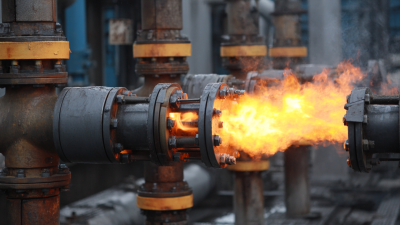
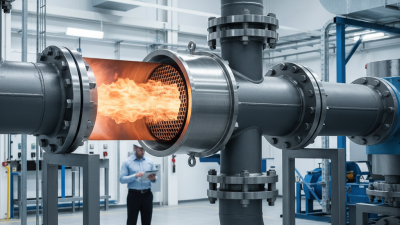
In an industrial environment, safety is paramount. Deflagration Type Flame Arresters play a crucial role in ensuring that safety. These devices prevent the passage of flame through pipelines and vents. They are essential in preventing catastrophic explosions in facilities that handle flammable substances.
Experience shows that explosions can occur from even minor ignition sources. A flame arrester can act as a first line of defense. When installed properly, it reduces the risk of fire spreading. However, selecting the right type is vital. Not all flame arresters provide the same level of protection. Some may fail under extreme conditions, leading to potential disasters.
Professionals emphasize the importance of regular inspections and maintenance. This ensures the devices function when needed most. Neglecting these can compromise safety, leading to severe consequences. Deflagration Type Flame Arresters, when properly understood and employed, can significantly enhance safety measures in hazardous areas. Their reliability stems from rigorous testing and adherence to safety standards. Yet, facilities must remain vigilant and proactive in their safety management efforts.
Deflagration Type Flame Arresters Explained
Deflagration type flame arresters play a crucial role in industrial safety. These devices help prevent the spread of flames in various settings. By interrupting the flow of combustion, they can mitigate hazardous situations effectively. Understanding how they work is essential for anyone managing flammable materials.
These flame arresters utilize a series of barriers designed to cool and slow down flames. When a deflagration occurs, the flame encounters these barriers, losing energy and failing to propagate. Each barrier must be precisely engineered to ensure effectiveness. This process is vital in protecting equipment and personnel from the devastating effects of fire.
However, their effectiveness relies on proper installation and maintenance. Regular inspections are necessary to ensure functionality. Many facilities overlook this aspect, leading to potential safety risks. The complexity of these devices requires trained professionals for installation. This highlights the importance of expertise in the selection and maintenance of flame arresters.
Principle of Operation for Flame Arresters
Deflagration type flame arresters play a crucial role in safety management. Their effective operation can prevent the spread of flames in various environments. Understanding their principle can elevate safety standards significantly.
The function of a deflagration type flame arrester hinges on its ability to absorb energy from flames. This system relies on a series of passageways that cool and restrict the flame's progress. When a flame approaches, it enters these pathways. The design allows acceleration through turbulence, reducing the flame’s temperature. This efficient cooling effect can halt the flame, preventing catastrophic explosions.
Installation and maintenance are critical yet often overlooked aspects. A poorly maintained flame arrester can become less effective over time. Regular inspections are essential to ensure optimal performance. Sometimes, facilities may assume their systems are infallible. This can lead to dangerous complacency. By understanding how deflagration arresters work, operators can make informed decisions that protect their environments. When safety is at stake, hesitation can lead to disaster.
Applications and Industries Utilizing Flame Arresters
Deflagration type flame arresters are crucial for various industries, especially those handling flammable gases and liquids. According to recent industry reports, over 30% of industrial accidents involve ignition sources in hazardous areas. Flame arresters provide a reliable line of defense, preventing flame propagation while allowing gas flow. Their design is rooted in engineering principles, ensuring both safety and efficiency in environments like chemical processing and oil refining.
In the chemical manufacturing sector, flame arresters protect equipment and personnel from explosive atmospheres. Data indicate that the chemical industry accounts for nearly 50% of flame arresters' applications. Many facilities utilize these devices to minimize explosion risks from volatile substances. Furthermore, sectors such as pharmaceuticals and food processing also implement flame arresters, recognizing their role in maintaining safety standards without compromising production efficiency.
However, reliance on these safety devices is not without challenges. For instance, regular maintenance is vital to ensure functionality. A lack of consistent inspections can lead to failures during critical moments. Training staff on proper installation and upkeep remains essential, yet many facilities overlook this aspect. Balancing safety measures with operational demands requires continuous assessment and adjustment.
Benefits of Choosing Deflagration Type Arresters for Safety
Deflagration type flame arresters are crucial for maintaining safety in various industries. They are designed to prevent the propagation of flames through pipes and equipment. According to a report from the National Fire Protection Association, equipment failures cause 70% of industrial fires. This underscores the importance of incorporating flame arresters.
One significant advantage of deflagration type flame arresters is their rapid response to pressure changes. They can react in milliseconds, thereby preventing explosion risks. A study published in the Journal of Loss Prevention in the Process Industries highlights that using flame arresters can reduce the risk of explosions by up to 85%. This is particularly vital in industries handling volatile substances, where even small sparks can lead to catastrophic events.
Furthermore, these arresters require minimal maintenance, making them cost-effective. Their robust design allows for long-term use, which can lead to reduced downtime. However, it's essential to regularly inspect them to ensure proper functionality. Neglecting regular checks can lead to potential risks, showing the importance of employee training on safety protocols. Awareness of equipment limitations is just as crucial as understanding their benefits.
Comparison with Other Flame Arresting Technologies
When it comes to flame arresting technologies, deflagration type flame arresters offer distinct advantages. These devices are specifically designed to handle lower-pressure deflagrations. They work by cooling and quenching the flame, preventing it from propagating through the system. This thermal reaction makes them more effective for certain applications compared to other types of flame arresters.
In contrast, some technologies, like detonation arresters, are engineered for higher pressures. However, they are not as versatile in common industrial environments. They can be larger and more difficult to install. Moreover, they typically require a greater understanding of gas dynamics, increasing complexity and cost. Deflagration arresters maintain effective safety without the need for extensive modifications to existing systems.
Choosing the right flame arrester hinges on specific operational needs. While deflagration arresters provide solid protection, in some cases, they may seem less robust than other types for extreme situations. Users must consider their unique requirements and potential limitations. Collaborating with fire safety experts helps identify the most suitable technology, ensuring optimal safety and compliance. It's essential to understand that no system is infallible, and ongoing risk assessment is crucial for effective safety management.