Essential Tips for Choosing Flame Arrestors for Tanks?
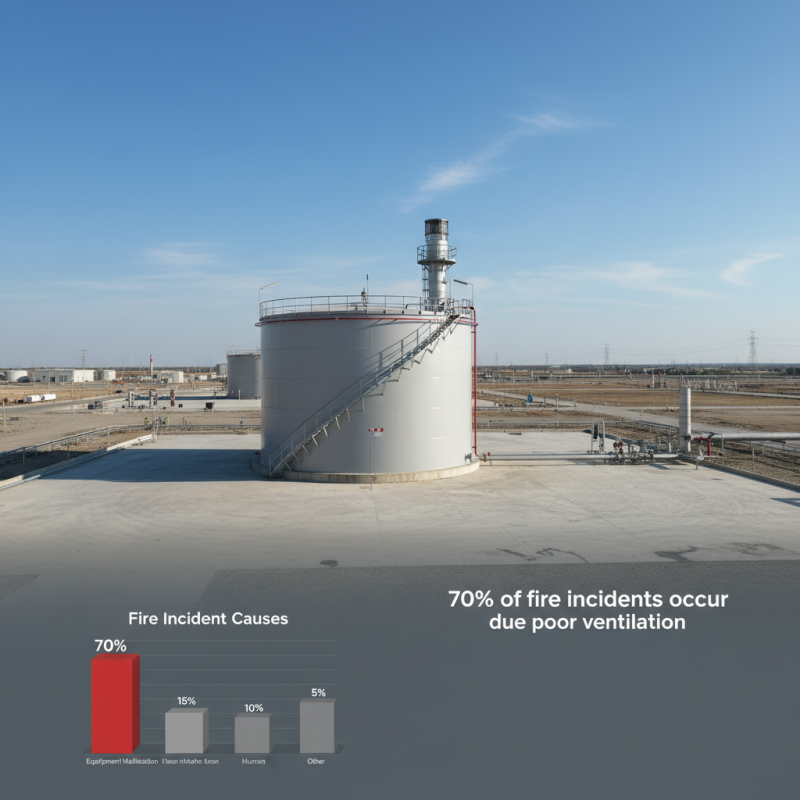
In industrial facilities, safety is paramount, especially when dealing with flammable liquids stored in tanks. Flame arrestors play a critical role in preventing catastrophic events. A recent report by the National Fire Protection Association (NFPA) indicates that improper use of flame arrestors can lead to increased risks of tank explosions. Hence, choosing the right Flame Arrestor For Tanks is vital.
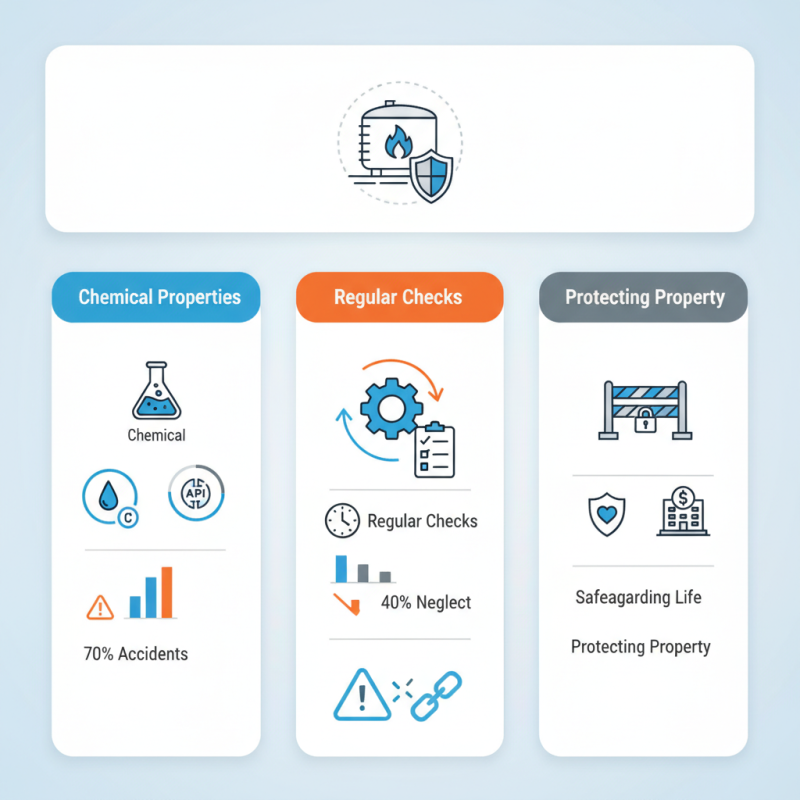
Understanding the specific requirements for flame arrestors is often overlooked. Not all flame arrestors are created equal. They must match the chemical properties of the stored substance and comply with industry standards. According to the American Petroleum Institute (API), over 70% of accidents stem from inadequate safety measures. This statistic highlights the crucial need for proper selection.
Many facilities fail to consider maintenance during their selection process. Regular checks ensure optimal function, yet 40% of users neglect this aspect. A reliable Flame Arrestor For Tanks must be evaluated not just for initial performance, but for longevity and serviceability. Choosing the right product is not just about compliance; it is about safeguarding life and property. A small oversight can have major consequences.
Understanding Flame Arrestor Types: A Comprehensive Overview
When selecting flame arrestors, understanding the types available is key. There are two main types: passive and active. Passive flame arrestors rely on physical barriers to stop flames. They often consist of mesh or baffles that cool flames and prevent their passage. Active flame arrestors, on the other hand, use mechanical components to respond to fire threats. These devices require more maintenance but offer precise control.
Consider the installation environment. Passive systems are often simpler to install but may not be as effective in high-risk areas. Active systems can adjust to different situations but can be complex. Evaluate the specific risks associated with your tanks and choose appropriately.
Regular inspection is paramount. Even the best flame arrestor can fail if not maintained properly. Look for signs of wear or blockages. A blocked arrestor may lead to catastrophic results. It’s crucial to understand that choosing the right type isn’t just about installation; it’s about safeguarding lives and property. Making the wrong choice can lead to dire situations.
Key Performance Metrics for Flame Arrestors in Tank Applications
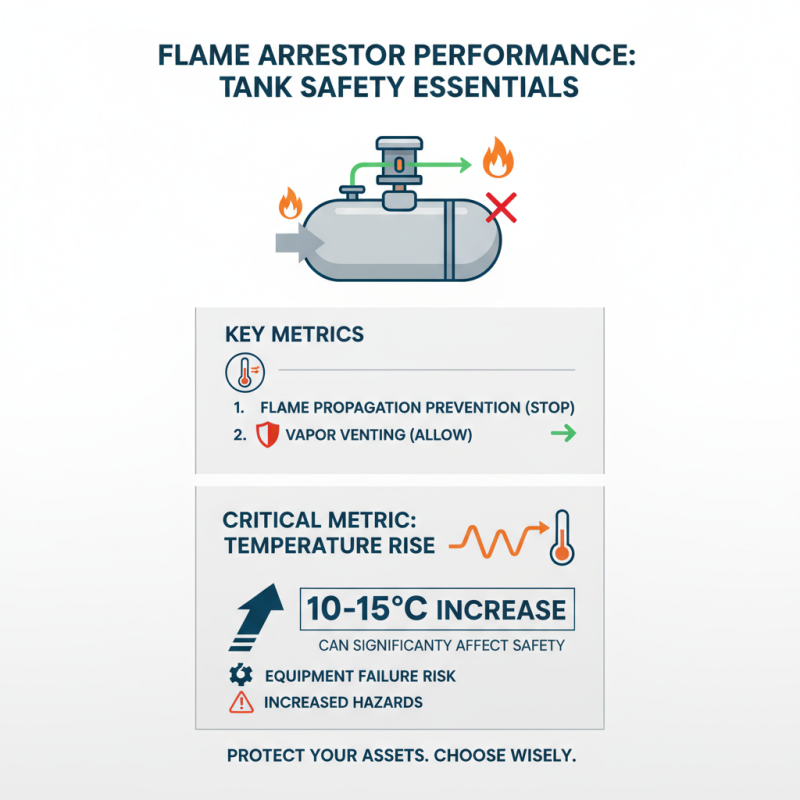
When selecting flame arrestors for tank applications, understanding key performance metrics is critical. Flame arrestors must effectively prevent flame propagation while allowing vapor venting. One crucial metric is the temperature rise across the device. According to industry reports, a rise of just 10-15 degrees Celsius can significantly affect overall safety. Increased temperatures may lead to equipment failure, posing risks.
Another essential criterion is pressure drop. Ideal flame arrestors maintain low pressure drops to prevent excessive strain on the tank systems. Reports indicate that a drop above 0.5 inches of water column can hinder system efficiency, leading to performance issues. Regular testing and maintenance are necessary to monitor these metrics. Failing to do so could result in catastrophic failures under certain conditions.
Response time also matters. The quicker a flame arrestor reacts, the better the protection it provides. Some devices can be slow to respond, increasing vulnerability. It’s important to evaluate the specific needs of your tank system. The combination of these factors often leaves room for improvement. Balancing all metrics is a challenge, and each choice requires careful consideration.
Material Selection for Flame Arrestors: Balancing Durability and Compliance
When selecting materials for flame arrestors, durability is key. It’s essential that the chosen material can withstand extreme temperatures and pressures. Common materials include stainless steel and carbon steel. Each material has its strengths and weaknesses. Stainless steel is resistant to corrosion but may be more expensive. Carbon steel is cost-effective but requires protective coatings.
Ensuring compliance with safety standards is crucial. The material must meet industry regulations to function effectively. When materials fail to comply, they can jeopardize safety. Regular audits can help identify compliance gaps. This promotes a proactive approach to safety management.
Tips: Always seek input from professionals when in doubt. Consider your environment: will it be exposed to harsh chemicals? Evaluate the installation process. A difficult material can lead to installation issues. Remember, the wrong choice can lead to costly repairs and safety hazards. Use caution and don’t rush decisions.
Maintenance Considerations: Ensuring Optimal Functionality of Flame Arrestors
When it comes to flame arrestors, regular maintenance is key. These devices must work correctly to prevent disasters. Check them frequently for any signs of corrosion or damage. Even a small issue can compromise safety. Outdoor installations may face harsher conditions, so consider this in your inspection schedule.
Here are some tips for maintaining flame arrestors. Clean them regularly to remove any buildup. Even dirt can affect performance. Replace any damaged elements promptly. Ignoring these tasks can lead to bigger problems.
Always monitor the environment around your flame arrestors. Changes in temperature or humidity can impact their effectiveness. It's essential to keep proper records of maintenance activities. Documentation helps in evaluating their performance over time. This proactive approach ensures they remain functional and reliable. Don't wait until it's too late. Regular checks can save time and resources in the long run.
Essential Tips for Choosing Flame Arrestors for Tanks
This chart represents the importance rating of various factors to consider when selecting flame arrestors for tanks. The ratings, on a scale of 1 to 10, emphasize the significance of each aspect in ensuring optimal functionality and maintenance of the systems.