Why is a Vacuum Relief Valve Essential for Your Operations?
A Vacuum Relief Valve is often overlooked, yet it plays a vital role in numerous industrial processes. This essential device prevents vacuum conditions that can lead to equipment failure or product spoilage. Industrial operations frequently involve handling fluids or gases under various pressures. Without a reliable Vacuum Relief Valve, these systems risk significant disruptions.
In many cases, the absence of this valve may lead to catastrophic events. A sudden vacuum can collapse tanks, rupture pipes, or create leaks. Such incidents can halt production and incur heavy costs. The expertise in utilizing Vacuum Relief Valves ensures operational continuity and safety.
Despite its importance, not all industries utilize this device effectively. Some overlook its installation, assuming their systems can handle fluctuations. This assumption is dangerous. Operators must prioritize integrating a Vacuum Relief Valve into their processes. Regular assessments and updates on valve performance are crucial for maintaining system integrity.
What is a Vacuum Relief Valve and Its Purpose in Systems?
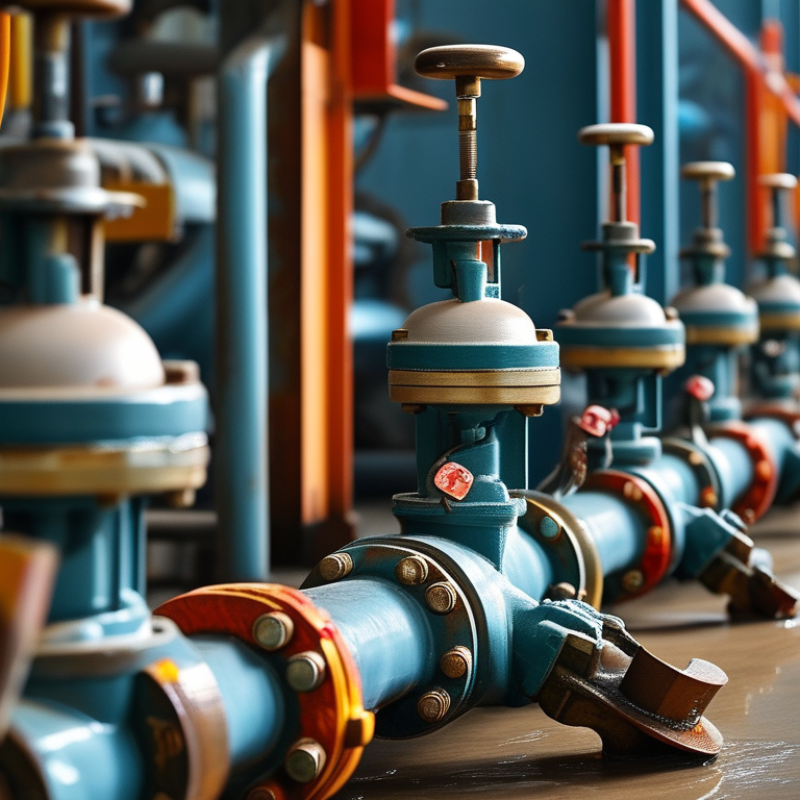
A vacuum relief valve plays a critical role in various systems. It ensures that pressure levels remain balanced. When a vacuum forms, the valve opens to allow air in. This prevents container collapse and equipment damage. Understanding its function can greatly enhance operational safety.
Many industries rely on vacuum systems. These include chemical processing, food storage, and pharmaceuticals. A vacuum relief valve protects against excessive negative pressure. This is crucial for avoiding structural failures. Regular maintenance is essential for optimal performance. Inspect the valve frequently for any signs of wear.
Tips: Check your vacuum relief valve regularly. Look for corrosion or debris that can hinder function. Consider installing pressure gauges to monitor performance. Understanding these parts helps improve safety in your processes. Careful observation can prevent costly interruptions.
Understanding the Working Principle of Vacuum Relief Valves
Vacuum relief valves play a critical role in various industrial operations. Their primary function is to maintain pressure balance within systems. This prevents the potential hazards associated with vacuum conditions. A vacuum can lead to equipment collapse or product contamination. According to recent industry studies, improper vacuum handling can cause up to a 30% increase in maintenance costs.
Understanding how vacuum relief valves work is essential for ensuring their effectiveness. These valves activate when a preset vacuum level is reached, allowing air to enter the system. This process ensures that the internal pressure remains stable. In many sectors, the need for these valves is underscored by statistics. For instance, studies show that over 60% of industrial systems experience pressure fluctuations. Such fluctuations can result in operational downtime and increased risk of failure.
The design of vacuum relief valves is crucial. They must respond instantaneously to pressure changes. This is why selecting the right valve is vital for each application. However, there can be misunderstandings regarding their maintenance. Many operators overlook regular checks. This can lead to failures that compromise safety and productivity. Acknowledging these flaws is key to improving operational efficiency.
Importance of Vacuum Relief Valves in Operations
Key Benefits of Using Vacuum Relief Valves in Operations
Vacuum relief valves are crucial for maintaining safe operations in various industries. They protect equipment from damage caused by excessive vacuum conditions. Without these valves, tanks and pipelines can experience structural failure. This could lead to costly downtime and repairs.
The key benefits of vacuum relief valves extend beyond simple protection. They help prevent air ingress in storage tanks, maintaining product integrity. This is vital for liquids sensitive to air exposure. Moreover, with a vacuum relief valve, fluid flow is more stable. Operators can reduce the risk of cavitation, ensuring efficient production processes.
However, not all systems are equipped with effective vacuum relief mechanisms. Some facilities overlook this essential component. This can lead to significant operational challenges. Regular assessments of vacuum relief valves can prevent potential issues. It’s an area where ongoing attention and improvement can yield tangible benefits.
Common Applications of Vacuum Relief Valves in Various Industries
Vacuum relief valves play a crucial role across various industries. Their primary function is to maintain pressure stability. In oil and gas, these valves protect tanks from collapsing. A report by the American Petroleum Institute highlights that nearly 40% of tank failures are due to vacuum conditions. This statistic emphasizes the need for proper vacuum management.
In the food and beverage sector, vacuum relief valves prevent spoilage. They regulate pressure during product transfer. According to the Food and Drug Administration, improper pressure can lead to contamination, impacting food safety. Therefore, these valves are essential for maintaining quality standards.
Pharmaceutical manufacturing also relies heavily on vacuum relief valves. They ensure equipment integrity during product sterilization. The FDA mandates stringent pressure controls to avoid potential failures. A recent industry study indicated that 25% of production delays stem from equipment malfunctions related to pressure issues. This reinforces the need for reliable vacuum systems in critical applications.
Why is a Vacuum Relief Valve Essential for Your Operations? - Common Applications of Vacuum Relief Valves in Various Industries
| Industry |
Application |
Function of Vacuum Relief Valve |
Benefits |
| Food and Beverage |
Pumping liquids and transferring products |
Prevents vacuum conditions that could collapse containers |
Maintains product integrity and prevents spillage |
| Pharmaceutical |
Storage and transportation of medicinal products |
Mitigates vacuum risks in sensitive environments |
Ensures quality and stability of pharmaceutical products |
| Chemical Processing |
Handling of volatile chemicals |
Prevents vacuum forming which can lead to implosion |
Improves safety and reduces product loss |
| Petrochemical |
Storage tanks and pipelines |
Balances pressure and prevents negative pressure |
Enhances operational efficiency and prevents damage |
| Waste Management |
Collection and transport systems |
Safeguards against vacuum conditions in tanks |
Ensures safe and effective waste handling |
Maintenance and Troubleshooting Tips for Vacuum Relief Valves
Vacuum relief valves are crucial in various operations. They help prevent vacuum conditions that can lead to system damage. Regular maintenance is vital to ensure these valves function properly. Neglect can result in costly repairs or safety hazards. Inspect the valve for corrosion or debris. A clean valve ensures effective operation.
When troubleshooting, observe any unusual sounds or leaks. These could indicate wear or improper installation. Testing the valve's response to pressure changes is essential. If it does not open or close smoothly, it may need adjustment. Record any inconsistencies in its performance. This documentation will aid future checks.
Monitoring the environment around the valve is also necessary. Temperature and humidity can affect its function. Extreme conditions may lead to valve failure. It’s worth reflecting on how regular check-ups might save resources. Delaying maintenance might seem convenient but can create bigger problems down the line.