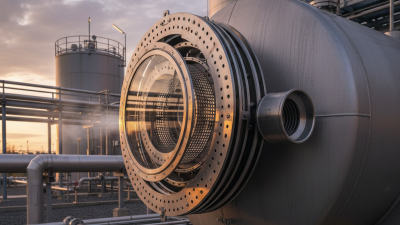
What is a Flame Arrestor and Why is it Important for Safety?
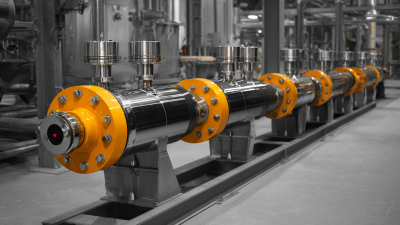
A Flame Arrestor is a vital safety device used in various industries. It prevents flames from spreading through ventilation systems or pipelines. Understanding its importance is crucial for safety management.
Flame Arrestors work by cooling and extinguishing flames before they can propagate. They serve as a first line of defense against fires in hazardous environments. Incidents can lead to significant damages, injuries, or loss of life. Therefore, the reliability of Flame Arrestors cannot be understated.
Regular maintenance and appropriate installation enhance their effectiveness. However, many fail to recognize their critical role until it's too late. Investing in quality Flame Arrestors and training staff can mitigate risks. This proactive approach significantly reduces the chances of catastrophic events. We should always reassess our systems to ensure optimal safety.
Definition of a Flame Arrestor and Its Functionality
A flame arrestor is a critical safety device used in various industries to prevent flames from spreading through flammable gases or vapors. Its primary function is to extinguish flames before they can enter an enclosed environment, where they might cause devastating explosions or fires. According to the National Fire Protection Association (NFPA), around 70% of industrial fires can be traced back to flammable gas systems. This highlights the importance of effective flame control.
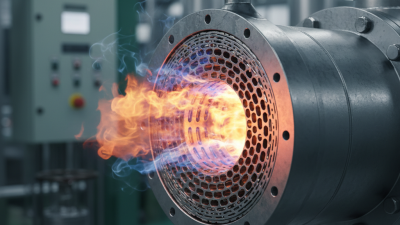
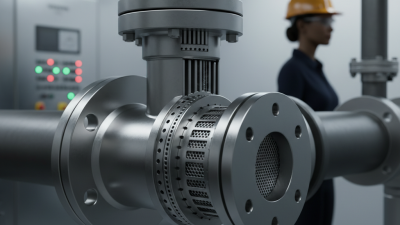
Flame arrestors typically feature a mesh or baffle design that cools and extinguishes the flame as it passes through. They can be installed in pipelines, storage tanks, or venting systems. The effectiveness of a flame arrestor depends on its material, design, and installation. Various reports indicate that properly functioning flame arrestors can reduce explosion risks by up to 90%. Yet, many facilities neglect regular maintenance checks, leading to potential failures.
Data from industry studies reveal that one-third of accidents involving flammable gas occur due to inadequate flame protection. These statistics suggest a critical need for adherence to safety protocols. Regular assessments can help identify weaknesses in flame arrestor systems. Acknowledging that they require ongoing attention will enhance overall safety measures in hazardous environments. Prioritizing this can cultivate a safer work environment for all.
Flame Arrestors: Importance and Functionality
This bar chart shows the effectiveness of flame arrestors across different risk levels. Effective flame arrestors can significantly reduce the risk of fire and explosions in hazardous environments, making their functionality critical for safety.
Types of Flame Arrestors and Their Applications
Flame arrestors are vital safety devices in various industries. They prevent flames from propagating through pipelines or storage vessels. There are several types of flame arrestors, each designed for specific applications.
One common type is the deflagration arrestor, which stops low-speed flames. These are often used in gas venting systems. Another type is the detonation arrestor, made to withstand high-speed shock waves. This type is critical in chemical processing plants. Each design caters to unique operational conditions and safety requirements.
In addition to their types, the materials used in flame arrestors vary. They must withstand extreme temperatures and pressures. Regular maintenance is crucial to ensure their efficiency. However, improper installation can lead to potentially dangerous situations. It's important to routinely inspect and evaluate these devices to adapt to changing conditions in the workplace.
Importance of Flame Arrestors in Hazardous Environments
Flame arrestors play a crucial role in safety, especially in hazardous environments. These devices
prevent flames from traveling along gas pipelines, effectively acting as a barrier. In industries dealing with
flammable gases, a flame arrestor can be the difference between a minor incident and a
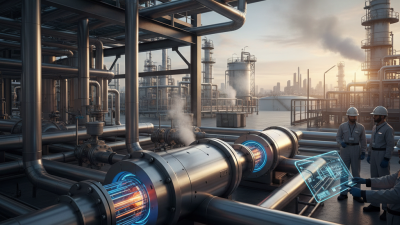
catastrophic explosion. They are often found in oil refineries, chemical plants, and
warehouses.
Maintaining equipment like flame arrestors is essential, yet often overlooked. Regular checks can help identify issues before they escalate. For instance,
sediment buildup can impair a flame arrestor's function. Operators should remain vigilant about
their proper installation and condition. Ignoring small flaws could lead to serious safety hazards.
Education on the correct use of flame arrestors is vital. Employees must understand these devices' importance and proper maintenance practices. Training programs
can improve awareness and preparedness for potential emergencies. While we often prioritize advanced technology, simple devices like flame arrestors should
not be underestimated. They serve as a fundamental line of defense in hazardous environments.
How Flame Arrestors Enhance Safety in Industrial Settings
Flame arrestors play a crucial role in enhancing safety within industrial settings. They are devices designed to prevent the transmission of flames or explosions along pipelines. In the chemical industry, for instance, safety incidents can lead to severe injuries and property damage. According to the National Fire Protection Association, roughly 1,500 workplace fires occur annually, underlining the necessity for reliable flame control measures.
Implementing flame arrestors can significantly mitigate risks. A study by the American Society of Safety Professionals found that facilities using these devices reported a 30% decrease in fire-related incidents. These devices are essential in environments where flammable gases or vapors are present. They act swiftly, extinguishing flames before they spread.
Understanding their importance goes beyond statistics. Installation is often overlooked, yet it’s critical. Regular maintenance is necessary to ensure functionality. Some facilities lack adequate training on their use, leading to potential failures. Addressing these gaps is vital for safeguarding employees and assets in high-risk environments.
Maintenance and Inspection of Flame Arrestors for Optimal Performance
Regular maintenance and inspection of flame arrestors are essential for optimal performance. These devices prevent flames from traveling back into process equipment. Over time, dust and debris can accumulate, hindering their effectiveness. It’s crucial to implement a routine check-up. Observe for any signs of wear or damage. Inspect the housing and ensure the flame arrestor is securely in place. Address any issues promptly to maintain safety.
Tips: Always record inspection dates and findings. This helps track maintenance history. Consider setting reminders for regular checks. A clean flame arrestor ensures reliable operation.
Another vital aspect of maintenance involves cleaning. Use a damp cloth to wipe the exterior regularly. For internal components, refer to the manufacturer’s guidelines. If internal fouling occurs, it may require professional servicing. Note that improper cleaning can damage the device. Reflect on past maintenance practices. Seek team input to identify areas for improvement. Engage all staff in safety discussions. A collaborative approach can enhance overall effectiveness.