Top Geyser Pressure Valve Types and Their Benefits Explained?
The efficiency and functionality of Geyser Pressure Valves are crucial in various heating systems. According to a 2022 industry report by the Global Plumbing Association, improper pressure regulation can lead to excessive energy use, raising costs significantly. "Using the right Geyser Pressure Valve can reduce energy loss by up to 30%," said John Carter, a renowned expert in plumbing systems, at a recent industry conference.
Geyser Pressure Valves not only safeguard against fluctuations but also enhance system longevity. With increasing energy costs, choosing the right type is essential for both residential and commercial properties. Various valve types offer unique benefits, yet many users remain unaware of their full potential.
Understanding the specifics of these valves could save money and reduce carbon footprints. It's essential to engage with this subject, as overlooking proper valve selection can result in costly repairs. The industry must prioritize informed choices to maximize efficiency and reliability in heating systems.
Top Geyser Pressure Valve Types: An Overview of Industry Standards
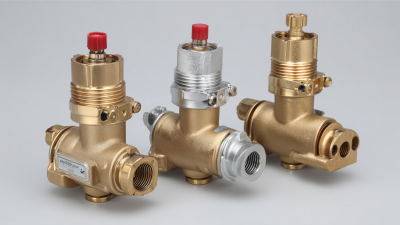
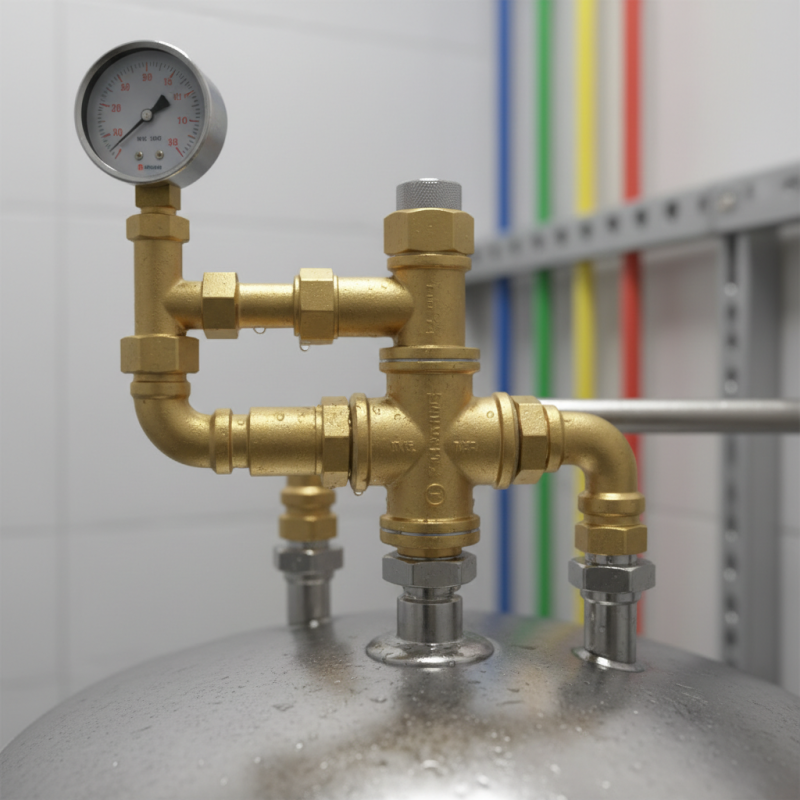
When it comes to geyser pressure valves, understanding the key types available is essential. These valves control water pressure, ensuring safety and efficiency in geyser operations. Familiarity with industry standards can help in choosing the right valve for your needs.
One common type is the pressure relief valve. This valve automatically releases excess pressure, preventing potential hazards. It is crucial for maintaining optimal pressure levels. Another type is the temperature and pressure relief valve. This valve protects against both high temperature and pressure, enhancing your geyser's safety.
Tips: Regular maintenance is vital. Check the valves periodically for wear and tear. If you notice leaks or corrosion, consider replacing them immediately. Proper installation is equally important. Incorrect setup can lead to complications later on.
Be mindful of pressure settings. Too high pressure can cause damage. Research your geyser's specifications to find the ideal settings. Always refer to the guidelines when selecting or maintaining valves. Awareness and attention can prevent issues before they arise.
Top Geyser Pressure Valve Types and Their Benefits Explained
| Valve Type |
Functionality |
Benefits |
Common Applications |
| Safety Valve |
Prevents excessive pressure |
Ensures safety and compliance |
Residential geysers |
| Pressure Relief Valve |
Releases pressure to maintain balance |
Prevents damage to the unit |
Industrial heating systems |
| Temperature and Pressure Relief Valve (T&P Valve) |
Combines temperature and pressure monitoring |
Dual safety feature |
Hot water systems |
| Check Valve |
Prevents backflow |
Maintains system integrity |
Hydronic heating systems |
| Pressure Reducing Valve |
Regulates system pressure |
Enhances efficiency |
Commercial boilers |
Key Features of Pressure Valves: Enhancing Safety and Efficiency
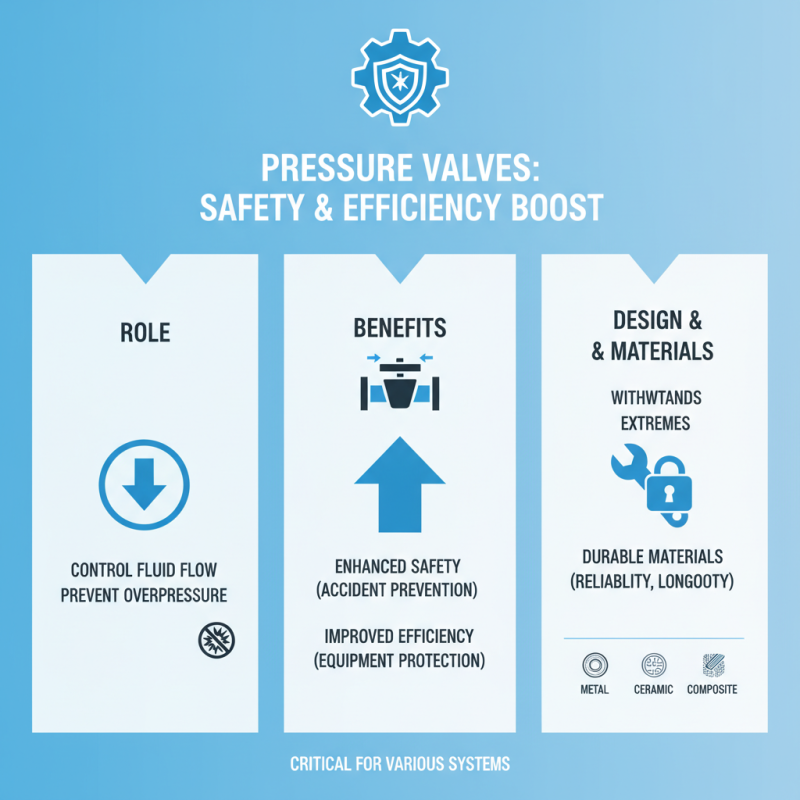
Pressure valves play a vital role in enhancing safety and efficiency in various systems. These devices control fluid flow, preventing overpressure that could lead to accidents or equipment failure. A well-designed pressure valve can withstand extreme conditions. They are often made of durable materials for reliability and longevity.
Key features of pressure valves include quick response times and adjustable settings. These attributes allow operators to maintain optimal pressure levels easily. Many valves also have built-in safety mechanisms. These can prevent leakage or catastrophic failures, which is crucial for maintaining a safe environment. However, not all systems use the best valve types for their needs. Sometimes, operators overlook compatibility issues, which can lead to inefficiency.
Maintenance is another aspect to consider. Regular checks are essential to ensure the valve operates correctly. Neglecting maintenance can result in unexpected failures. It's important to address signs of wear and tear promptly. Sometimes, a simple fix can prevent bigger issues down the line. This highlights the importance of observing and adjusting systems as needed.
Performance Comparison: Pressure Valve Types and Their Applications
When assessing pressure valve types, understanding their performance is essential.
Different valves work best in distinct applications, from residential systems to industrial processes. For instance,
spring-loaded pressure relief valves are common.
They can handle pressure spikes effectively. These valves operate when the system pressure exceeds a predetermined limit.
Reports indicate that they can reduce overpressure incidents by 80%.
Another frequently used type is the pilot-operated pressure relief valve.
This valve offers better accuracy and helps maintain stable pressure levels. Data shows that these valves
can improve system efficiency by about 15%. Their ability to respond quickly makes them ideal for sensitive applications.
However, they are more complex and require regular maintenance, which could pose challenges.
Lastly, electronic pressure control valves are gaining popularity.
They offer advanced monitoring capabilities. Recent studies reveal that these valves can lower the risk of blowout by 50%.
Their integration with smart systems allows for real-time adjustments. However, the cost of implementation and
the need for technical expertise can be barriers. Balancing these factors is crucial for optimal performance.
Industry Insights: Maintenance Costs and Lifespan of Pressure Valves
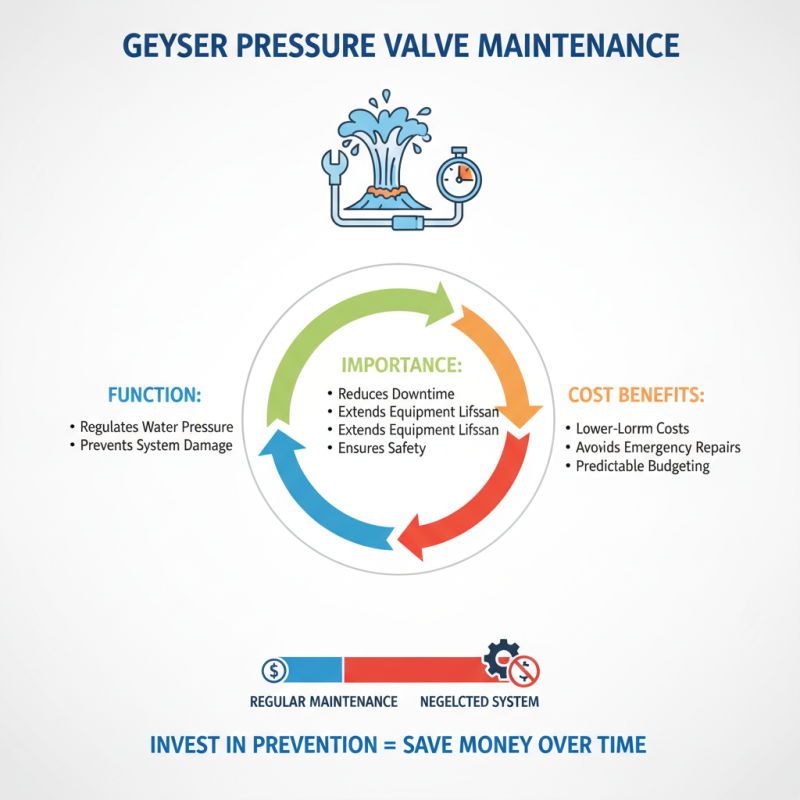
Geyser pressure valves are crucial for managing water pressure in various systems. Understanding their maintenance costs is essential for operators. According to industry reports, regular maintenance can prevent significant issues. This often leads to reduced costs over time.
Lifespan varies depending on usage and environment. Many valves can last between 5 to 10 years with proper care. However, neglect can shorten their lifespan drastically. Some studies show that poorly maintained valves can fail in as little as two years. These failures often lead to costly repairs and replacements.
Additionally, maintenance costs can be influenced by valve types. For instance, some valves require more frequent servicing than others. Cumulative data indicates that operators should invest in periodic check-ups to avoid unexpected expenses. A small cost now can save big later. Ignoring this can lead to regrets. With the right attention, geyser pressure valves can operate efficiently for years.
Future Trends: Innovations in Geyser Pressure Valve Technology
Innovations in geyser pressure valve technology are reshaping the industry. New materials enhance durability and resistance. These upgrades improve safety and performance. Manufacturers focus on creating more efficient mechanisms, which reduces the chances of leaks and failure.
Smart technology is gaining traction in this field. Automated pressure regulation systems are being developed. They utilize sensors to monitor pressure levels, ensuring optimal operation without manual intervention. Integration with smart home systems is on the horizon. Homeowners want real-time updates about their geysers.
However, not all innovations are perfect. Some technologies may face issues with compatibility. Older systems might struggle to adapt. Additionally, costs can go up with advanced features. Consumers need to weigh the benefits against potential drawbacks. This evolving landscape promises excitement but also challenges.