What is a Nitrogen Pressure Relief Valve and How Does It Work?
A Nitrogen Pressure Relief Valve is a crucial component in various industrial applications. It is designed to protect equipment from overpressure situations. This valve operates by releasing nitrogen gas when pressure exceeds a predetermined limit. Understanding how it works is vital for ensuring safety and efficiency in systems that utilize nitrogen.
These valves are essential in fields like oil and gas, food processing, and pharmaceuticals. They help maintain safe pressure levels and prevent potential hazards. Regular maintenance and inspections are key to their reliability. Users must be aware of the valve's specifications and performance limits to avoid issues.
While the functionality of the Nitrogen Pressure Relief Valve is clear, miscalculations can lead to failures. It's important to recognize the potential for error in pressure settings or valve selection. Understanding these aspects is essential for optimal operation and safety.
What is a Nitrogen Pressure Relief Valve?
A nitrogen pressure relief valve is essential in various industrial applications. It acts as a safety device, preventing excessive pressure buildup in systems using nitrogen. When pressure exceeds a preset limit, the valve opens to release gas. This prevents potential damage to equipment and ensures safe operation.
These valves are commonly found in petrochemical, pharmaceutical, and food processing industries. They maintain stable pressure levels, guarding against catastrophic failures. The mechanisms can vary, with some utilizing a spring-loaded design, while others operate electronically. Regular maintenance is vital to ensure reliability, as worn or malfunctioning valves can lead to serious issues.
Understanding how these valves function is crucial. They not only protect equipment but also enhance process efficiency. However, improper installation or maintenance can hinder their performance. It's essential to periodically assess their condition and ensure they meet operational standards. Attention to detail in handling nitrogen systems can prevent costly accidents and disruptions.
The Purpose and Importance of Nitrogen Pressure Relief Valves
Nitrogen pressure relief valves play a crucial role in various industrial settings. They are designed to maintain safe pressure levels by releasing excess nitrogen gas. This function helps prevent equipment damage and enhances safety. In high-pressure systems, excessive pressure can lead to catastrophic failures. A nitrogen pressure relief valve acts as a safeguard, ensuring that the pressure remains within acceptable limits.
These valves operate based on specific pressure settings. When the pressure exceeds a predetermined level, the valve opens. This release prevents hazards from pressure buildup. Industries like oil and gas, chemical manufacturing, and food processing depend on these valves to ensure operational safety. Improper functioning of these valves can have serious consequences, making their reliability critical.
Regular maintenance is essential for optimizing performance. Neglecting this can lead to malfunctioning or total failure. Users should routinely inspect these valves to ensure they operate correctly. Proper training on their function also enhances workplace safety. Each facility should have protocols in place for the inspection and testing of nitrogen pressure relief valves. Awareness of their importance cannot be overstated.
How Does a Nitrogen Pressure Relief Valve Operate?
A nitrogen pressure relief valve plays a crucial role in maintaining safety and efficiency in various industrial applications. Its primary function is to regulate pressure levels within storage systems. When the pressure exceeds a predetermined limit, the valve opens to release nitrogen, preventing potential system failure. The operational mechanics depend on a diaphragm or spring mechanism, which reacts to pressure changes. This design ensures that even a slight increase in pressure can trigger the release process.
Data from industry reports indicate that improper pressure regulation can lead to catastrophic failures. In fact, studies show that over 40% of industrial accidents are related to pressure control issues. Moreover, the effectiveness of pressure relief systems is often compromised by lack of maintenance. Regular testing is essential to ensure valves respond promptly to pressure fluctuations. Neglecting this task might result in a higher risk of leaks or explosions.
A properly functioning nitrogen pressure relief valve can enhance safety and efficiency. However, the challenges of maintenance and industry standards must be addressed to improve reliability. Understanding the valve's operation deeply can lead to better practices. A small oversight in calibration might cause significant operational issues. It's important to recognize these gaps to enhance system performance effectively.
Key Components of a Nitrogen Pressure Relief Valve
A nitrogen pressure relief valve is critical in many industrial settings. Its primary role is to maintain safe pressure levels, preventing equipment damage. At the core of this device are several key components that work seamlessly together.
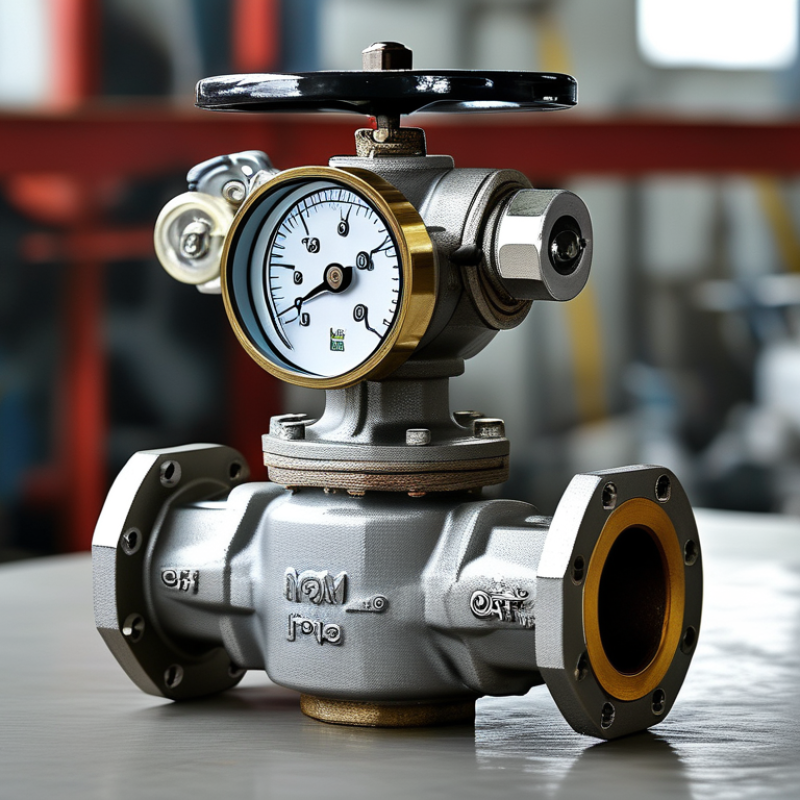
One essential part is the valve body, which houses the internal components. It is crafted from durable materials to withstand high pressures. The diaphragm or piston inside responds to pressure changes. When pressure exceeds a preset limit, it opens, allowing nitrogen to escape. This action prevents potential hazards and equipment failure.
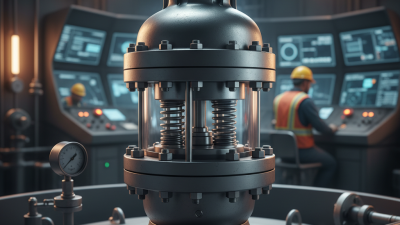
Another vital component is the spring, which holds the valve closed under normal conditions. The spring's tension decides the pressure threshold for releasing gases. Over time, springs can fatigue. Regular inspection and maintenance are necessary to ensure reliability. Lastly, the gauge provides real-time pressure readings, crucial for operators. Monitoring this can provide insight into potential system issues. Understanding these components enhances safety and efficiency in operations.
Nitrogen Pressure Relief Valve Performance Analysis
Applications and Industries Using Nitrogen Pressure Relief Valves
Nitrogen pressure relief valves are critical components in various industries. They effectively manage pressures in gas systems, helping to prevent catastrophic failures. Industries such as chemical manufacturing, oil and gas, and food processing use these valves extensively. According to a report by MarketsandMarkets, the nitrogen market is projected to reach USD 14.1 billion by 2025, indicating a growing need for effective pressure management solutions.
In the chemical sector, finely controlling nitrogen pressure is crucial for reaction stability. In pharmaceuticals, maintaining a specific pressure can affect product quality. These valves ensure safety by relieving excessive pressure, allowing companies to adhere to stringent safety regulations. The petroleum industry also benefits from nitrogen pressure relief valves by using them in gas transport and storage applications. Reports indicate that mishandling can lead to losses exceeding millions of dollars.
However, the reliance on these valves presents challenges. Not all installations guarantee reliability over time. Maintenance is essential to ensure they function correctly. Regular testing and inspections are needed to avoid failures. Many companies overlook these procedures, risking safety and financial losses. Proper training for staff on the significance of these components is often neglected, leading to potential mishaps. Ensuring best practices can help mitigate issues related to nitrogen pressure relief valves.
What is a Nitrogen Pressure Relief Valve and How Does It Work? - Applications and Industries Using Nitrogen Pressure Relief Valves
| Application |
Industry |
Function |
| Gas Storage |
Energy |
Prevent over-pressure in storage tanks |
| Food Packaging |
Food & Beverage |
Control inert gas atmosphere to preserve food quality |
| Pharmaceuticals |
Healthcare |
Maintain sterile conditions during manufacturing |
| Chemical Processing |
Chemical |
Regulate pressure in reactors to ensure safety |
| Electronics Manufacturing |
Manufacturing |
Prevent oxidation and maintain clean environments |