2026 How to Use a Pilot Operated Nitrogen Blanket Gas Regulator?
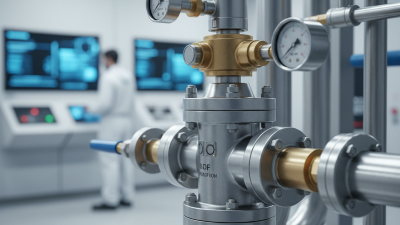
In the realm of gas management, the Pilot Operated Nitrogen Blanket Gas Regulator stands out for its efficiency. John Smith, a seasoned engineer in fluid dynamics, emphasizes, "Understanding your regulator is key to safe operations." This technology plays a crucial role, especially in processes requiring a stable gas atmosphere.
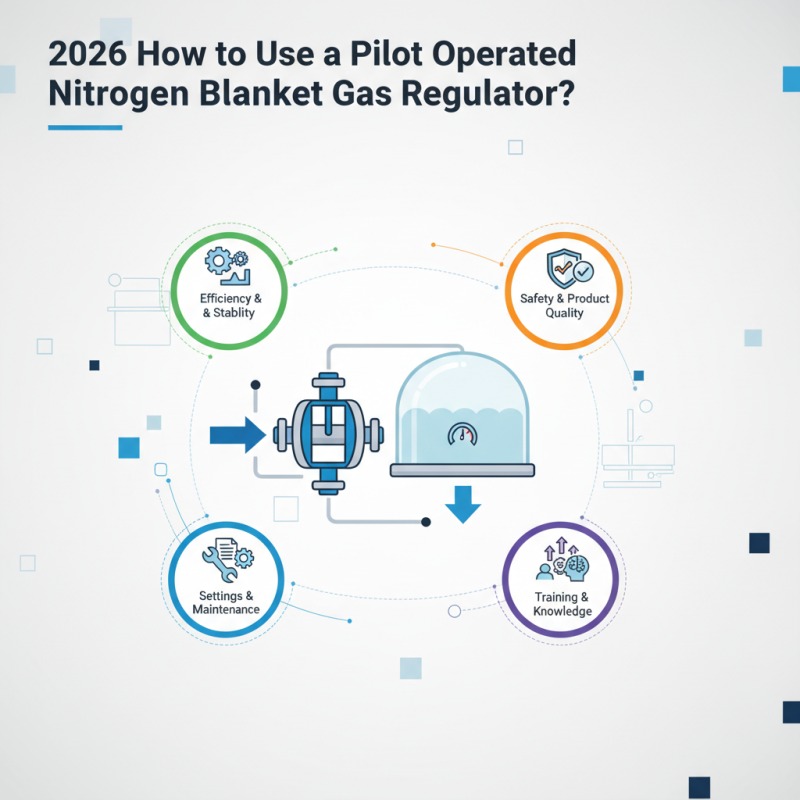
Using a Pilot Operated Nitrogen Blanket Gas Regulator can significantly enhance safety and product quality. These regulators maintain consistent pressure and flow of nitrogen, creating a protective atmosphere. However, proper understanding and application are vital. Even minor miscalculations can lead to costly mishaps.
Industrial processes must adopt this technology effectively. Many operators overlook the nuances of regulator settings and maintenance. Regular training and updates on best practices can bridge this knowledge gap. Emphasizing the importance of hands-on experience cannot be overstated in this detailed, technical field.
Overview of Pilot Operated Nitrogen Blanket Gas Regulators
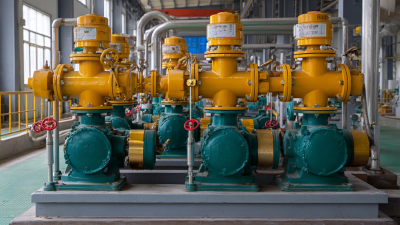
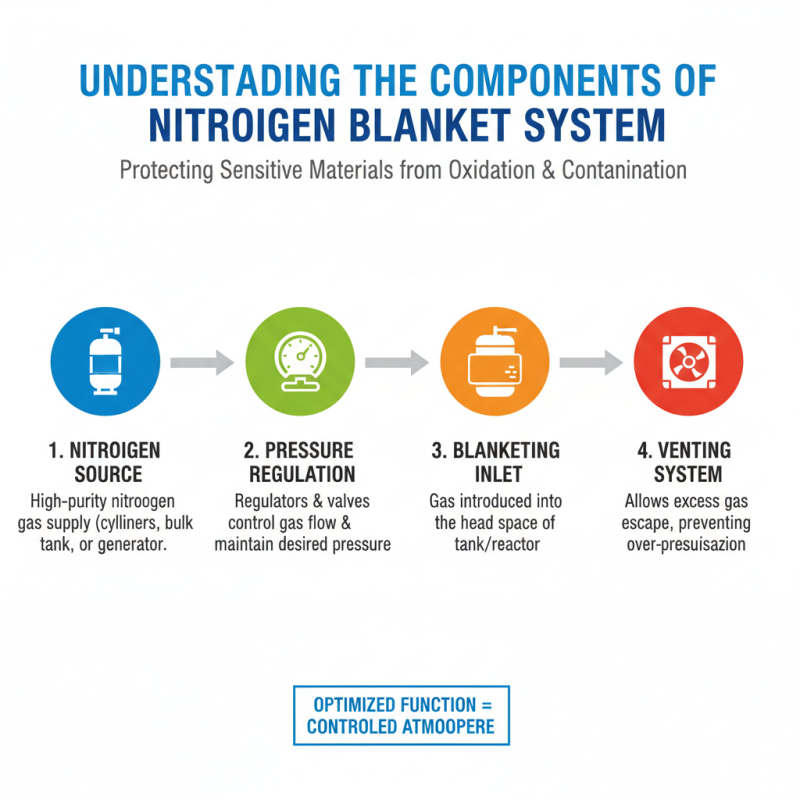
Pilot operated nitrogen blanket gas regulators play a crucial role in maintaining the integrity of storage tanks and vessels. Functioning by maintaining a constant gas pressure, these regulators help prevent oxidation and contamination. In industries like food and beverage or pharmaceuticals, the purity of nitrogen is vital. A slight deviation in gas pressure can lead to significant operational disruptions.
According to the International Journal of Engineering & Technology, the efficiency of pilot-operated systems improves by 20% over standard regulators in maintaining pressure stability. This is essential for reducing waste and ensuring quality control. Monitoring and maintenance are critical; neglecting these can result in increased operational costs.
Tips: Regular checks can prevent unexpected failures. Always ensure that the pilot valve functions correctly. A minor leakage can lead to major problems. Training staff on the operation will enhance safety and efficiency. Regular calibration of sensors is also vital for optimal performance.
2026 How to Use a Pilot Operated Nitrogen Blanket Gas Regulator? - Overview of Pilot Operated Nitrogen Blanket Gas Regulators
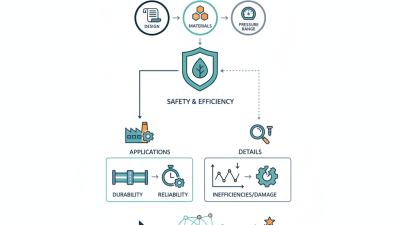
| Feature |
Description |
Benefits |
Applications |
| Pressure Control |
Maintains a predetermined pressure within a system |
Ensures safety and system integrity |
Chemical storage, Gas distribution |
| Pilot Operated Design |
Utilizes a pilot regulator for increased accuracy |
Higher accuracy and responsiveness |
Oil and gas industries, Beverage manufacturing |
| Material Compatibility |
Constructed from corrosion-resistant materials |
Longevity and reduced maintenance costs |
Water treatment, Food processing |
| Flow Rate |
Capable of regulating high flow rates |
Efficient operation in large systems |
Power plants, Industrial cooling systems |
| Ease of Installation |
Designed for straightforward installation procedures |
Reduced installation time and labor costs |
Various industrial applications |
Step-by-Step Guide to Setting Up the Regulator
Setting up a pilot-operated nitrogen blanket gas regulator requires careful attention. You start by ensuring all necessary tools are available. Gather wrenches, Teflon tape, and safety equipment. It's vital to check the workspace for hazards. Clear the area to prevent accidents.
Begin by connecting the regulator to the nitrogen source. Make sure the fittings are tight. Loose connections can cause leaks and pressure issues. Use Teflon tape on the threads for a secure seal. Once connected, gradually open the nitrogen supply. Monitor the pressure gauge to ensure it stabilizes.
Then, adjust the output pressure as needed. This adjustment allows you to set the right nitrogen flow for your application. Take your time with this step. Over-pressurizing can lead to system failures. After adjusting, check all connections again to ensure everything is secure and functioning. Reflect on the process. Mistakes can happen if you're not careful. Always prioritize safety and accuracy.
2026 Nitrogen Blanket Gas Regulator Efficiency Chart
This chart illustrates the efficiency of a pilot operated nitrogen blanket gas regulator over time. As the time duration increases, the efficiency typically declines due to factors such as wear and tear and environmental conditions.
Adjusting Pressure Settings for Optimal Performance
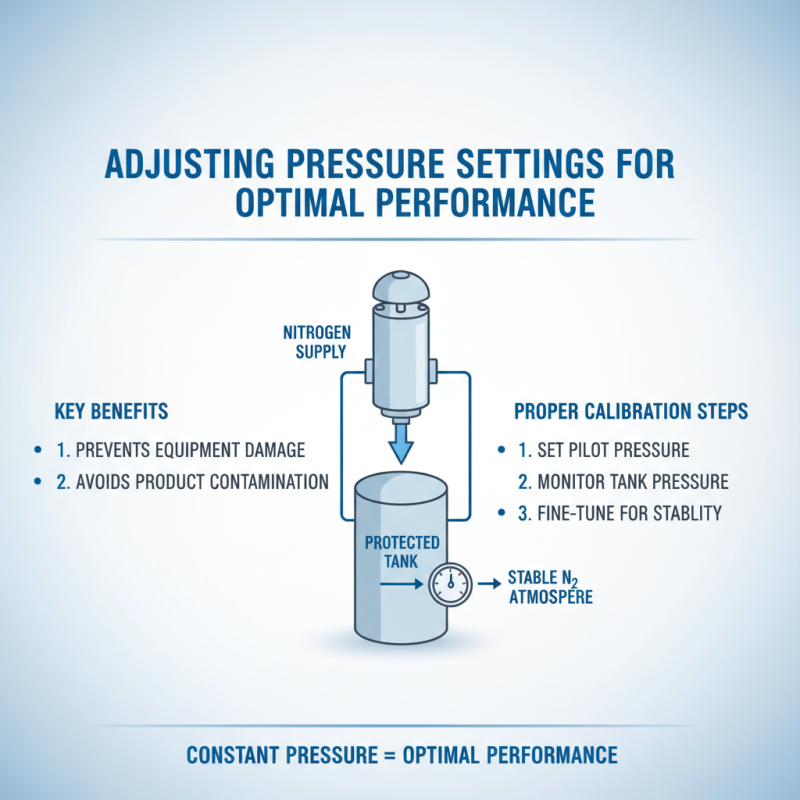
When using a pilot operated nitrogen blanket gas regulator, adjusting pressure settings is crucial for optimal performance. The regulator maintains a constant pressure, ensuring a stable nitrogen atmosphere. Proper calibration can prevent equipment damage and product contamination.
Start by checking the desired outlet pressure. Use a reliable pressure gauge for accuracy. If the reading fluctuates, it may indicate a need for recalibration. Adjust the regulator by turning the pressure adjustment screw counterclockwise to lower pressure or clockwise to increase it. Small turns can lead to significant changes, so proceed with caution.
Frequent monitoring is essential. Changes in temperature or gas composition can affect pressure. Regularly assess system performance. If issues arise, revisit your settings. Adjusting may require multiple attempts before achieving the perfect balance. This process can be frustrating and time-consuming, but diligence pays off. Each adjustment is a learning opportunity to understand your system better.
Common Troubleshooting Tips for Pilot Operated Regulators
Pilot operated nitrogen blanket gas regulators are essential for maintaining system pressure. However, they can experience issues that hinder their performance. Troubleshooting these regulators requires attention to detail and a methodical approach.
A common problem is fluctuating pressure. If you notice this, check the pilot control line. Ensure it is free from blockages. Verify that the pilot pressure is correctly set. A low or inconsistent pilot pressure can cause instability.
Another issue is loss of regulation. This could stem from dirt or debris in the regulator. Cleaning the pilot valve and main seat can often resolve this. Ensure that the components are intact and properly sealed.
Always observe and adjust settings based on the specific application. Regular maintenance is key. Create a routine inspection checklist to catch issues early. Small adjustments can have significant impacts on overall performance. It’s crucial to stay vigilant and prepared for adjustments.