Leave Your Message

7 Tips for Choosing a Geyser Pressure Valve?

Choosing the right Geyser Pressure Valve is a safety decision, not merely a hardware purchase. A geyser stores heated water under pressure, so a weak, mismatched, or poorly installed valve can create serious risks. A shiny finish proves very little. The internal rating matters more.

Richard Trethewey, a respected plumbing and heating expert, has said, “Safety devices should be tested, understood, and never treated as decoration.” That principle guides this practical introduction. The seven tips will examine pressure ratings, temperature limits, thread sizes, discharge pipes, materials, certification marks, and replacement timing. Each detail has a purpose. A valve rated for cold-water service may fail in a hot geyser system. A fitting with the wrong thread may leak slowly behind a wall. Small errors become expensive.

Look closely.

The correct Geyser Pressure Valve should match the heater’s manufacturer requirements and the local plumbing rules. It should release pressure safely without being blocked, capped, or redirected into an unsafe area. The discharge pipe also needs heat-resistant material and a visible, downward path. Never remove the valve because it drips. Dripping may signal excessive pressure, overheating, corrosion, or a failing component.

Some choices are not obvious. A cheaper valve may seem practical, yet unverified products can create uncertainty. Even experienced installers can overlook an aging valve during routine maintenance. That is worth admitting. Careful selection, professional inspection, and periodic testing provide stronger protection than price alone. These tips help homeowners, property managers, and installers compare options with clearer judgment.
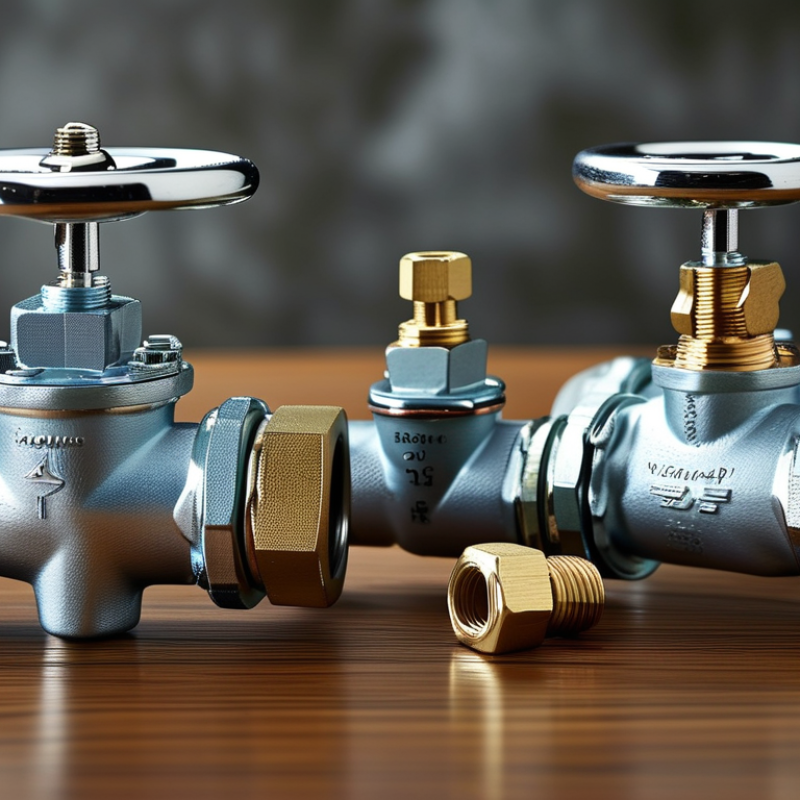
7 Tips for Choosing a Geyser Pressure Valve?

Understanding the Role of a Geyser Pressure Valve

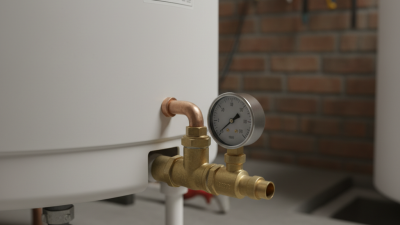
A geyser pressure valve is a small component with a serious responsibility. It releases excess pressure when heated water expands inside the tank. Without this protection, fittings may leak, the tank may deform, or hot water may discharge dangerously. The valve also gives technicians an early warning. Drips, mineral stains, or repeated opening can indicate pressure or temperature problems.

Tip: Check the valve rating.

Choose a replacement that matches the geyser’s pressure and temperature specifications. Never select one by appearance alone. The discharge pipe should point downward and end above a safe drain area. It must not be capped, narrowed, or hidden behind insulation. These details are easy to overlook during installation. I have seen minor alignment errors create wet floors and confusing maintenance calls.

Tip: Test it carefully.

With the power and water conditions handled safely, lift the test lever briefly if the valve design allows it. Water should flow and stop after release. A valve that keeps dripping may contain sediment, or the system may have excessive pressure. Do not force a stiff lever. I would rather replace a questionable valve than trust a silent failure. Local plumbing requirements may differ, so a qualified technician should confirm the final installation. Regular inspection matters, especially in hard-water areas where scale builds around the outlet.

7 Tips for Choosing a Geyser Pressure Valve? - Understanding the Role of a Geyser Pressure Valve

Tip Selection Dimension What to Check Practical Guidance Why It Matters
1 Valve Function Confirm whether the component is a pressure-relief valve, temperature-and-pressure relief valve, pressure-reducing valve, or a combined inlet safety valve. Use a relief valve to discharge excess cylinder pressure. Use a pressure-reducing valve to control incoming mains pressure; these functions are not interchangeable. The correct valve protects the geyser from overpressure and prevents incorrect installation or inadequate safety protection.
2 Pressure Rating Compare the valve set pressure with the geyser manufacturer’s maximum working pressure and the local plumbing requirements. Common domestic storage-water-heater relief settings include 6, 7, or 8 bar, depending on the appliance and jurisdiction. Never select a setting above the tank’s approved limit. A valve set too high may not protect the cylinder, while a valve set too low can cause unnecessary discharge.
3 Temperature Protection Determine whether the geyser requires temperature-and-pressure protection in addition to pressure relief. Where required by the appliance design or local code, a T&P valve commonly uses a temperature setting near 99°C and a pressure setting near 10.3 bar, equivalent to 210°F and 150 psi. Excessive water temperature can create scalding and steam hazards even when pressure alone appears normal.
4 Connection Size and Type Match the inlet and outlet connection size, thread standard, flow direction, and available installation space. Domestic valves are often supplied in sizes such as 15 mm or 22 mm pipe connections, or 1/2-inch and 3/4-inch threaded connections. Verify the actual pipework before purchase. A mismatched connection can cause leaks, restricted discharge, damaged threads, or unsafe modifications.
5 Discharge Capacity Check the certified flow capacity and ensure that the discharge pipe can safely carry hot water away from the valve. The valve must be sized for the geyser’s heating input and installed with a continuously downward or otherwise code-compliant discharge route, without a shut-off valve in the relief line. Adequate discharge capacity allows the valve to reduce pressure quickly during an abnormal heating or pressure event.
6 Materials and Water Compatibility Review the body, spring, seat, and seal materials for compatibility with potable hot water, temperature, and local water chemistry. Corrosion-resistant materials such as suitably rated brass, stainless steel, and approved elastomers are commonly used. Confirm the valve’s temperature and pressure limits. Compatible materials help reduce corrosion, sticking, mineral buildup, and premature leakage.
7 Certification, Maintenance, and Replacement Look for approval markings applicable to the installation location, installation instructions, inspection access, and a recommended replacement interval. Test only according to the valve and local code instructions. Do not cap, block, or continuously force open a relief valve. Replace a valve that leaks, fails to reseat, or shows corrosion. Certification supports code compliance, while regular inspection helps ensure that the safety mechanism remains operational.

Important: Pressure and temperature settings vary by geyser design and local regulations. Always follow the appliance rating plate, installation manual, and applicable plumbing code. Relief discharge may contain scalding water.
Checking Pressure Ratings and Geyser Specifications

Choosing a geyser pressure valve starts with the appliance label, not the valve shelf. Check tank working pressure, water temperature, inlet pressure, connection size, and heating capacity. Residential storage geysers commonly use a 150 psi and 210°F relief setting, but this is not universal. ANSI Z21.22/CSA 4.4 covers temperature-and-pressure relief valves for storage water heaters. Never install a higher-rated valve to stop nuisance discharge. That can hide a dangerous pressure problem.

Seven practical checks help. Match the valve’s pressure rating to the geyser’s stated maximum working pressure. Confirm its temperature rating exceeds the unit’s operating temperature. Check the thread size and discharge outlet. Inspect the data plate twice. Verify the valve is certified to the applicable local standard. Consider thermal expansion, especially with a closed water system. Test the discharge pipe route, keeping it visible and safely directed. The International Plumbing Code requires proper termination, with no caps or shutoff devices on the discharge line.

Small details matter. A pressure gauge can reveal daytime spikes that a single inspection misses. The U.S. Department of Energy reports that water heating represents about 18% of household energy use, so geysers operate frequently and deserve routine checks. In field inspections, I have seen valves replaced without testing inlet pressure. That is an easy mistake. A valve may be correct while the system remains unstable. ASHRAE guidance on thermal expansion supports checking expansion control where heated water has no relief path. Local rules still control the final installation.

Matching Valve Materials, Size, and Connection Type

7 Tips for Choosing a Geyser Pressure Valve

Matching Valve Materials, Size, and Connection Type

A pressure valve protects a geyser from dangerous pressure and overheating. Choose a valve rated for your heater’s working pressure and water temperature. Never select by appearance alone. Check the manufacturer’s data plate and installation instructions before buying. Safety comes first.

Material affects service life. Brass suits many domestic systems, while stainless steel can resist corrosion in demanding water conditions. Avoid mixing metals carelessly, because galvanic corrosion may develop around the connection. Confirm that the valve is approved for potable water. Fit matters. Measure twice.

Size must match the designated outlet, pressure rating, and discharge capacity. A larger valve is not automatically safer. The valve should release pressure quickly without restricting flow. I once assumed that matching the pipe diameter was enough. It was not. The thread standard also mattered. Check whether the connection uses NPT, BSP, compression, or another approved type. Do not force mismatched threads.

Look for a clear discharge path and suitable temperature resistance. The discharge pipe should direct hot water safely away from people and electrical equipment. Keep the valve accessible for inspection. Test the mechanism only as instructed, since careless operation may cause scalding. A qualified plumber should verify compatibility, local requirements, and installation torque. Small errors can become expensive.

Evaluating Safety Features and Certification Standards

7 Tips for Choosing a Geyser Pressure Valve

Evaluating Safety Features and Certification Standards

A geyser pressure valve should match the heater’s pressure and temperature ratings. Do not guess. Check both figures on the appliance label and valve documentation. A valve with the wrong pressure setting may discharge too often or fail to protect the tank. Look for a clearly marked relief mechanism, corrosion-resistant materials, and a discharge outlet that directs hot water safely away from people.

Certification requires closer attention than a printed symbol. Confirm that an accredited testing body issued the certificate, and check whether it covers pressure valves for water heaters. Standards differ by region, so a familiar mark may not prove local compliance. Review the certificate number, product model, test scope, and expiry details. A practical mistake is trusting a logo without checking its source. That shortcut can create false confidence.

The valve should also include clear installation instructions and traceable manufacturing information. Ask whether replacement parts are available and whether the design supports regular inspection. Test the lever only as instructed; careless handling can cause scalding. Keep the discharge pipe unobstructed, visible, and safely routed. I would also compare the valve’s materials with the water conditions, especially where mineral deposits are common. A certified valve is not automatically suitable for every installation. Professional installation remains important, because even a reliable component can perform poorly when fitted at the wrong angle or without proper drainage.

Planning Installation, Testing, and Regular Maintenance

Planning Installation, Testing, and Regular Maintenance

Choosing a geyser pressure valve starts with the heater’s pressure and temperature ratings. Check the manufacturer’s specifications and local plumbing requirements before purchasing. The valve must match the inlet size and connect to a correctly sized discharge pipe. Plan the outlet toward a safe drain, with no caps, kinks, or upward sections. Leave enough space for inspection and replacement. A cramped installation often becomes a maintenance problem.

Use a qualified plumber when pipework changes are needed. During installation, confirm that the valve points in the required direction and that threaded connections are sealed without excessive force. I have seen overtightened fittings crack later. That mistake is easy to miss. After installation, slowly fill the tank and inspect every joint with a dry cloth. Check for moisture around the valve, not just beneath it.

Test the pressure valve according to the heater’s instructions, usually by lifting the test lever briefly. Keep your face and hands away from hot discharge water. The valve should open cleanly and stop flowing when released. If it leaks afterward, never block the outlet or attempt an improvised repair. Replace it with a correctly rated part. Inspect the discharge pipe every few months for corrosion, mineral buildup, or obstruction. In hard-water areas, schedule professional servicing more often. Record testing dates, pressure readings, and any unusual dripping. Small leaks can signal pressure changes, but they can also indicate a worn valve. Treat both seriously.

7 Tips for Choosing a Geyser Pressure Valve

Planning, installation, testing, and regular maintenance reference points

How to use this chart: Residential water pressure is commonly maintained around 40–60 psi. Pressure above 80 psi generally requires pressure regulation, while many domestic temperature-and-pressure relief valves are commonly rated at 150 psi. Always match the valve rating to the geyser manufacturer’s specification and local plumbing regulations.

Safety reminder: Install the discharge pipe correctly, keep the outlet unobstructed, inspect for corrosion or leakage, and test the relief function only according to the manufacturer’s instructions. Replace a valve that leaks continuously, fails to operate, or shows visible damage.