Top Fire Arrestor Solutions for 2026 What You Need to Know?
As fire safety technology advances, the importance of effective fire arrestors cannot be understated. Fire arrestors play a crucial role in preventing the spread of flames in various settings, from residential homes to industrial facilities. In 2026, selecting the right fire arrestor will be key to ensuring optimal safety.
Fire arrestor solutions have evolved significantly. New materials and designs are emerging, enhancing the reliability of these essential devices. It's vital to understand how different types of fire arrestors work. Some focus on thermal barriers, while others prioritize smoke control. Recognizing these differences can make a notable impact on safety measures.
However, there are challenges in choosing the right fire arrestor. Some options may not meet specific regulatory standards or may be less practical in certain environments. Proper installation and maintenance are critical, as they can affect performance. Therefore, careful consideration and expert consultation can lead to wiser choices in fire safety.
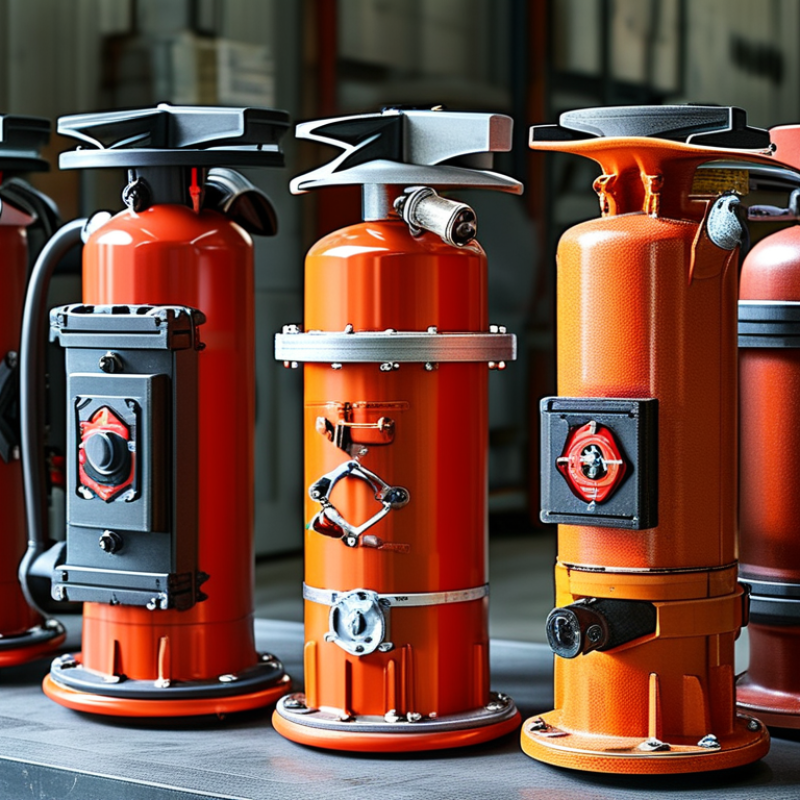
Emerging Trends in Fire Arrestor Technology for 2026
Emerging trends in fire arrestor technology are shaping the future of fire safety solutions. As industries evolve, so do the challenges. A recent report states that fire-related incidents have caused an estimated $23 billion in damages annually in the U.S. alone. This statistic underlines the necessity for innovative fire arrestor solutions.
One significant trend is the integration of smart technology. Sensors embedded in fire arrestors provide real-time data, allowing for rapid response. These systems can detect early signs of fire, optimizing safety. Moreover, advancements in materials are paving the way for more durable and effective solutions. A notable development is the use of nanomaterials, which enhance heat resistance and reduce weight. Such innovations improve efficiency and convenience.
Tip: Regularly inspect fire arrestor systems. Maintenance not only ensures compliance but also enhances their effectiveness. Small checks can prevent larger issues.
Another emerging trend is sustainability. The demand for eco-friendly materials is rising. Organizations are prioritizing solutions that minimize environmental impact. Yet, the balance between sustainability and performance remains a challenge. Fire safety products must meet stringent regulatory standards while being environmentally responsible. This dual expectation calls for ongoing research and development.
Tip: Stay informed on the latest regulations. Compliance is crucial for safety and legal obligations. Ignoring updates may lead to increased risks.
Key Features of Modern Fire Arrestor Solutions
Modern fire arrestor solutions are essential in maintaining safety standards in various industries.
These devices can significantly reduce the risk of fire-related incidents. Reports indicate that effective fire arrestor systems can lower fire damage costs by up to 30%. Key features of these systems include
thermal insulation, rapid activation, and adaptability to different environments.
Many modern fire arrestors employ advanced materials that are lightweight yet robust.
Insulation can withstand high temperatures, enhancing durability and performance. Additionally, real-time monitoring technology allows for immediate response, often saving lives and property.
This monitoring can also lead to predictive maintenance, reducing unexpected failures.
Tips: Regular system checks are crucial. Ensure sensors and alarms are functioning well. Invest in advanced training for staff regarding fire safety.
Remember that even small improvements can lead to significant safety advancements. Continuous evaluation of fire arrestor efficacy is vital.
This practice helps identify potential issues early, promoting a safer environment.
Comparative Analysis of Top Fire Arrestor Brands
In the realm of fire safety, understanding the best fire arrestor solutions is vital. Recent industry reports indicate that fire-related incidents account for approximately 20% of all property damage cases. This statistic highlights the critical importance of selecting effective fire arrestors. Comparative analyses show that some fire arrestor brands outperform others in terms of response times and suppression capabilities.
One popular category is intumescent materials. They expand significantly when exposed to heat, forming a protective barrier. Studies found that these materials can reduce surface temperatures by up to 50% during a fire event. In contrast, some other solution types may only delay damage instead of preventing it. It’s essential to recognize that not all fire arrestors perform equally in varying conditions.
Moreover, a recent study revealed that user satisfaction rates vary widely among brands. While some users report excellent performance, others experience issues with installation and maintenance. These challenges can lead to significant safety risks in emergencies. Proper training and awareness are critical in maximizing the effectiveness of fire arrestor systems. This knowledge is just as important as the technology itself.
Regulatory Standards and Compliance Considerations
As fire safety regulations evolve, compliance with standards is vital. Organizations must stay updated on local and national fire codes. Understanding these regulations can prevent penalties and enhance safety measures.
The installation of fire arrestor systems often requires adherence to specific guidelines. For instance, the National Fire Protection Association (NFPA) sets crucial parameters for fire protection systems. Familiarize yourself with these standards to ensure proper system integration and operation.
Tips: Regular training for staff on compliance is essential. Conducting audits can highlight any lapses. Stay engaged with industry forums—they can provide updates on emerging regulations. Ignoring compliance can lead to costly mistakes.
Every facility is unique. Therefore, compliance strategies should reflect specific risks and building designs. Evaluate your fire arrestor solutions regularly. This process not only empowers safety but also reinforces your commitment to regulatory adherence. Think critically about your existing systems, and don’t hesitate to modify them when necessary.
Top Fire Arrestor Solutions for 2026
This chart illustrates the effectiveness of various fire arrestor solutions in compliance with regulatory standards for the year 2026. The data represents the estimated performance ratings on a scale of 1 to 100 based on regulatory compliance and industry assessments.
Cost-Benefit Evaluation of Fire Arrestor Installations
The cost-benefit evaluation of fire arrestor installations is crucial for informed decision-making. According to a recent industry report, implementing these systems can reduce fire damage costs by up to 40%. This significant drop in expenses highlights the value of investing in fire safety solutions. Many organizations, especially in high-risk industries, recognize that the initial costs can be offset by the potential savings in damages.
In contrast, some facilities may hesitate due to upfront expenses. A detailed analysis reveals that the return on investment (ROI) typically occurs within three to five years. It’s essential to factor in not only repair costs but also potential loss of production. Businesses in sectors like manufacturing face unique challenges. An unexpected fire could halt operations entirely, leading to substantial revenue loss.
However, the choice isn’t straightforward. The effectiveness of fire arrestors can vary based on installation quality and environmental factors. A well-designed system can be lifesaving, yet poor installation can lead to failure. As a result, it's critical to work with experienced professionals. Their expertise ensures that the chosen fire arrestor system meets specific needs, enhancing overall safety and compliance with regulations. Balancing cost and effectiveness is vital for a long-term strategy in fire management.