Top 10 Fire Arrestors for Maximum Safety and Protection in Your Home
In today's world, ensuring the safety of our homes has become a paramount concern for many homeowners. One of the most significant threats to household safety is fire, which can spread rapidly and endanger lives and property. To combat this danger, investing in effective fire safety tools is essential. Among these tools, the fire arrestor stands out as a critical component in fire prevention strategies. Designed to mitigate the impact of flames and heat, fire arrestors provide an additional layer of protection in various areas of the home.
The right fire arrestor can significantly reduce the risk of fire damage, allowing families to feel more secure in their living environments. Whether it's in the kitchen, where cooking-related fires are common, or in other parts of the home that may pose a fire risk, understanding the various types of fire arrestors available is crucial. This knowledge empowers homeowners to make informed choices that enhance their safety and preparedness. In the following sections, we will explore the top ten fire arrestors that can maximize safety and protection in your home, ensuring peace of mind for you and your loved ones.

What are Fire Arrestors and Their Importance in Home Safety
Fire arrestors play a crucial role in enhancing home safety by acting as barriers to limit the spread of fire and smoke. Designed specifically to contain flames and prevent their rapid movement through homes, these devices can significantly reduce the risk of extensive damage and ensure the safety of occupants. The importance of fire arrestors extends beyond just property protection; they are vital components in fire prevention strategies that can save lives, giving families precious seconds to evacuate in case of an emergency.
Tips for choosing the right fire arrestors include considering the materials used in your home and potential fire hazards in each area, such as kitchens or garages. Ensure that the fire arrestors meet local safety regulations and standards. Regular maintenance and inspections are also essential to confirm that these safety devices function effectively when needed.
Additionally, integrating fire arrestors with an overall fire safety plan can further enhance protection. Educate family members about the locations of these devices and ensure easy access. Practice emergency drills that include routes to exit the home quickly, allowing everyone to be prepared in case of a fire event.
Types of Fire Arrestors: Understanding Various Fire Prevention Solutions
Understanding various types of fire arrestors is critical for enhancing safety and protection within homes. Fire arrestors, or fire prevention solutions, play a vital role in reducing risks associated with fire incidents. According to the National Fire Protection Association (NFPA), residential fires account for nearly 80% of all fire-related fatalities in the United States, underscoring the need for effective prevention systems. There are several types of fire arrestors, including smoke detectors, fire extinguishers, and fire doors, each serving a unique function in limiting fire spread and ensuring prompt response.
Smoke detectors are essential first lines of defense, designed to alert occupants of smoke presence, giving them valuable time to evacuate. The NFPA reports that homes without smoke alarms are twice as likely to experience a fire-related death. Similarly, fire extinguishers provide immediate control over small fires, potentially preventing the situation from escalating. A study by the U.S. Fire Administration indicated that about 80% of fire-related injuries occur in homes without a functioning fire extinguisher. Fire doors, another critical type of fire arrestor, act as barriers that slow down the spread of flames and smoke, enabling safer evacuation methods. Each type of fire arrestor contributes significantly to overall home safety, making understanding their functionalities essential for homeowners.
Top 10 Fire Arrestors for Maximum Safety and Protection in Your Home
| Type of Fire Arrestor |
Material |
Installation Location |
Protection Level |
Average Cost |
| Fire Curtains |
Fiberglass |
Doorways & Open Spaces |
High |
$200 - $800 |
| Fire Doors |
Steel/Wood |
Entrances & Exits |
Very High |
$300 - $1,500 |
| Fire Sprinklers |
Metal |
Ceilings |
Very High |
$1,000 - $2,500 |
| Fire Extinguishers |
Metal/Plastic |
Kitchens & Garages |
Moderate |
$20 - $300 |
| Fire Blankets |
Fiberglass/Wool |
Kitchens & Living Areas |
Low |
$30 - $100 |
| Fire Alarms |
Plastic/Electronic |
Bedrooms & Hallways |
High |
$10 - $120 |
| Fire Rated Windows |
Tempered Glass |
Exteriors |
High |
$500 - $1,200 |
| Fireproof Safes |
Steel |
Home Offices |
Moderate |
$100 - $600 |
| Flame Retardant Paints |
Various Polymers |
Walls & Ceilings |
Low |
$30 - $200 |
Top Features to Look for in Effective Fire Arrestors for Homes
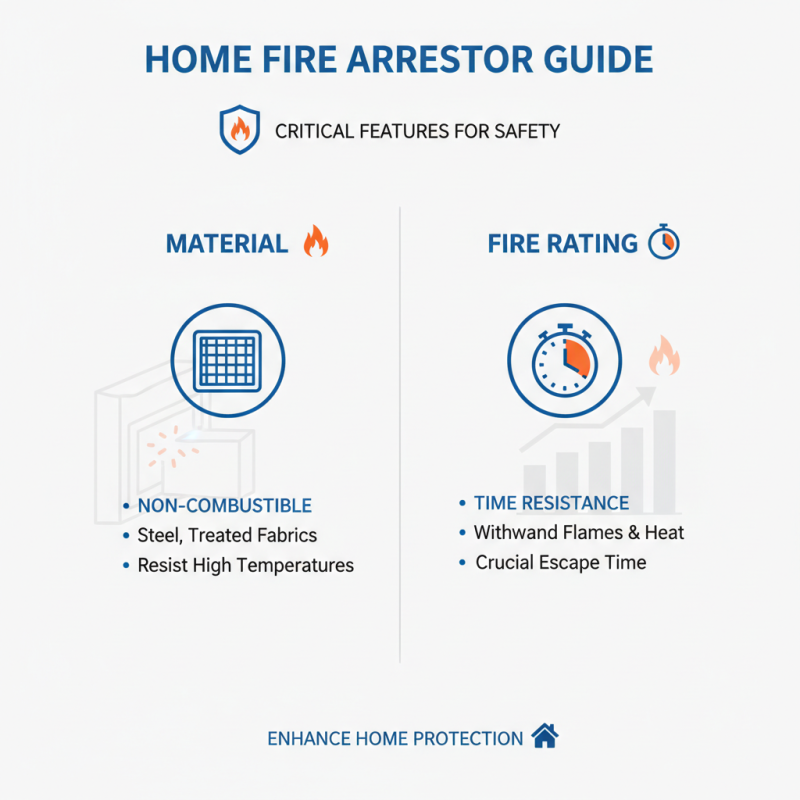
When choosing effective fire arrestors for your home, there are several critical features to consider that can significantly enhance safety and protection. First and foremost, the material used in the fire arrestor is crucial. Look for products made from non-combustible materials such as steel or specially treated fabrics, which can withstand high temperatures without igniting. Additionally, fire arrestors should have a high fire rating, indicating their ability to resist flames and heat for a specified duration, giving you precious time to escape in case of an emergency.
Another essential feature is the installation method. Effective fire arrestors should be easy to install, whether they are integrated within existing structures or added later. Consider options that provide flexible installation solutions while still maintaining the integrity of your home. Moreover, it’s vital to evaluate the maintenance requirements since some fire arrestors may require regular checks or replacements to ensure optimal effectiveness. Features like automatic activation mechanisms can also provide peace of mind, as they respond to fires without needing manual intervention, ensuring your home remains protected even if you are not present.
Comparative Analysis of the Best Fire Arrestors Available on the Market
When it comes to fire safety in the home, the choice of fire arrestors is crucial for ensuring maximum protection. Recent analyses indicate that effective fire arrestors can reduce fire-related injuries by up to 80%, showcasing their importance in residential safety. The National Fire Protection Association (NFPA) reports that residential fires account for nearly 80% of all fire-related deaths, emphasizing the need for proper fire prevention tools. By utilizing advanced materials and technology, today's fire arrestors are designed to contain flames and heat, giving occupants critical extra time to evacuate.
A comparative analysis of market offerings indicates that fire arrestors come in various types, including curtains, barriers, and reinforced doors, each having unique features tailored for specific settings within the home. According to a study published in the Journal of Fire Sciences, the installation of fire arrestors significantly lowers the spread of fire by an average of 60%. Fire arrestors with automatic closure mechanisms are particularly effective, as they can activate during unforeseen emergencies, ensuring the highest level of safety. By carefully analyzing the specifications and performance ratings of these devices, homeowners can make informed decisions that prioritize safety without compromising aesthetics.
Installation and Maintenance Tips for Optimal Fire Arrestor Performance
When it comes to ensuring the safety of your home, proper installation and maintenance of fire arrestors are crucial.
The first step in installation is to identify the most strategic locations for the devices.
They should be placed in areas where fire hazards are prevalent, such as kitchens, near fireplaces, and in garages.
It is essential to follow the manufacturer’s guidelines for mounting and securing the fire arrestors to ensure they function correctly in the event of a fire.
Additionally, conducting a thorough inspection of the surrounding environment is vital; make sure there are no obstructions that could impede the performance of these safety devices.
Regular maintenance is equally important for optimal fire arrestor performance.
This includes checking the physical condition of the devices, testing their functionality, and replacing any units that show signs of wear or malfunction.
It is recommended to perform these checks at least once a year. Furthermore, cleaning the fire arrestors by removing dust and debris will enhance their efficiency.
Homeowners should also stay informed about any updates or recalls related to their fire safety systems, ensuring that their protection measures are always up-to-date.
Regular education on fire safety practices and drills can further empower residents to use these devices effectively in emergencies.