Top 10 Flame Arrestor Options for Global Buyers?
In the industry of safety engineering, choosing the right Flame Arrestor is crucial. Dr. Emily Carter, a renowned expert, emphasizes, "The effectiveness of a Flame Arrestor can save lives and protect assets." This highlights the importance of selecting appropriate models for various applications.
With a variety of options available, global buyers face challenges. Not all Flame Arrestors meet the rigorous standards required for safety. It can be overwhelming to navigate through specifications and certifications. Personal experiences often reveal that even minor misjudgments can lead to significant risks. Therefore, understanding the parameters that define a high-quality Flame Arrestor is essential.
The market offers diverse solutions, each designed for specific environments. Choosing the wrong type may not only compromise safety but also hinder efficiency. While some products boast excellent features, the real challenge lies in discerning which options provide genuine value. Buyers must consider their unique needs and potential limitations.
Understanding Flame Arrestors: How They Work and Their Importance
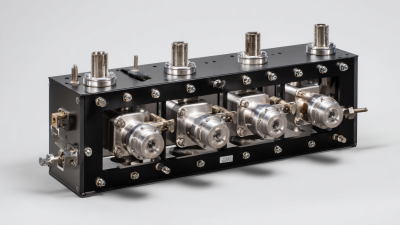
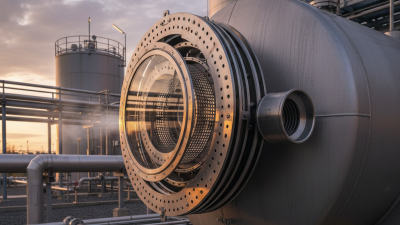
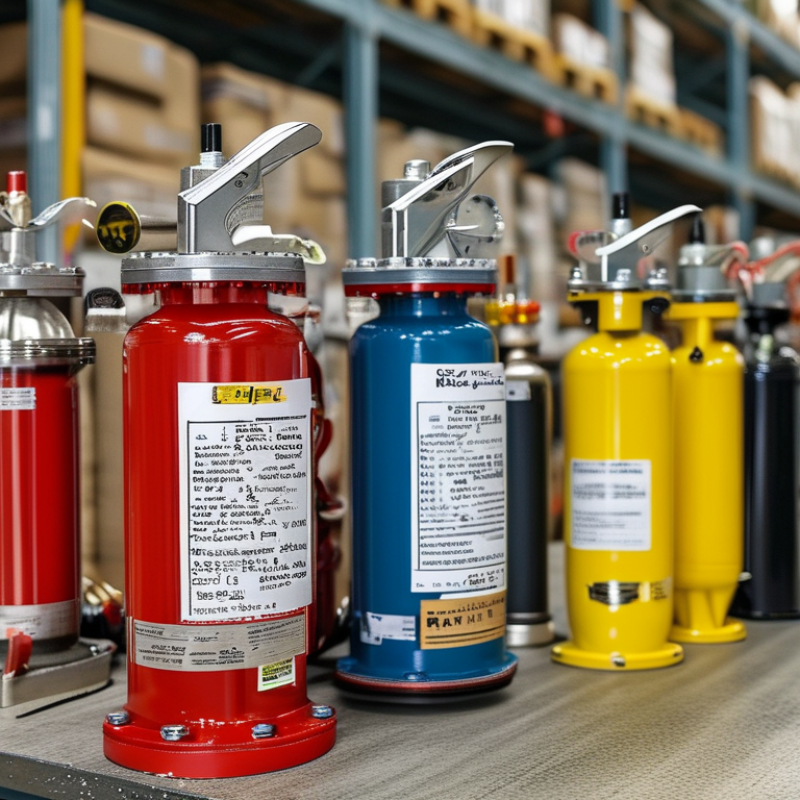
Flame arrestors are crucial devices designed to prevent the spread of flames and explosions in various environments. They act by cooling the gases and extinguishing flames before they can propagate. Understanding how they work and their importance can help industries enhance safety measures. Efficient operation relies on the proper selection and installation of these devices.
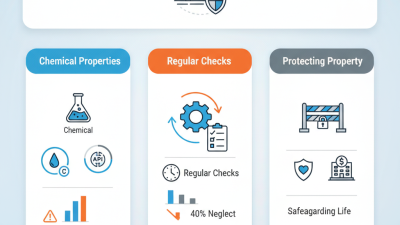
Choosing the right flame arrestor involves recognizing specific application needs. Consider the temperature, pressure, and chemical properties of the gases involved. Each situation may demand a tailored solution. For instance, a flame arrestor suitable for a gas pipeline may differ from one used in a chemical processing plant.
Tips to remember: Always consult with experts. Their insights can guide you in making informed decisions. Evaluate the installation site carefully. Improper placement can lead to system failure. Regular maintenance checks are also vital. They ensure that the arrestor functions correctly over time. By following these considerations, industries can better protect against hazardous environments.
Key Factors to Consider When Choosing a Flame Arrestor
Choosing the right flame arrestor requires a careful evaluation of key factors. One crucial aspect is the material used in construction. Stainless steel is common due to its durability and resistance to corrosion. Yet, some applications may need specialized materials for better performance. Understanding the operating environment is essential. Extreme temperatures and corrosive elements can challenge certain designs.
Another important factor is the flow rate. A flame arrestor must manage the specific flow rates of gases in your system. Overly restrictive designs can hinder performance and create safety risks. Ensure the selected model meets or exceeds the required specifications. Additionally, consider the installation space. Limited space may force you to choose compact alternatives, but these may compromise effectiveness.
Maintenance cannot be overlooked. Regular inspections help ensure reliability, but some designs may require more upkeep than others. It’s worth reflecting on long-term costs versus initial investment. The decision process can feel overwhelming. Balancing these variables requires not only knowledge but also experience in real-world applications.
Top 10 Recommended Flame Arrestor Brands for Global Buyers
Flame arrestors are critical for safety in many industries. They prevent the propagation of flames in pipelines and tanks. Choosing the right brand can enhance efficiency and safety in operations. According to industry reports, the flame arrestor market is expected to grow by 6% annually. This reflects increasing safety regulations and demand for quality equipment.
Several recommended brands stand out based on their reliability. Companies known for their rigorous testing and compliance with industry standards have gained trust. It's vital to consider a brand's history and certifications when selecting a flame arrestor. Data from safety compliance boards shows that using reputable brands can reduce the risk of accidents.
While many brands offer excellent products, some may have limitations. It's crucial to assess their performance under different conditions. Feedback from users indicates inconsistency in flame arrestor efficiency. Therefore, thorough research and careful selection are essential. The right choice can significantly impact operational safety and effectiveness.
Top 10 Flame Arrestor Options for Global Buyers
This chart illustrates the popularity and effectiveness of various flame arrestor options in the global market, based on user preferences and industry feedback.
Comparative Analysis of Flame Arrestor Materials and Designs
Flame arrestors play a crucial role in safety and risk management. When choosing materials for flame arrestors, several options are available. Common materials include metal and ceramic, each with unique properties. Metal flame arrestors are durable and can withstand high pressures. In contrast, ceramic options are often more resistant to corrosion.
Careful consideration of the design is also essential. A mesh design allows for better heat dissipation, which can prevent ignition. On the other hand, a panel-style design may offer more rigidity and is suitable for high-velocity applications. Integrating advanced materials can enhance effectiveness but may increase costs.
Tips: Always assess the specific environment where a flame arrestor will be used. Temperature and pressure levels can impact performance. Regular testing and maintenance should be part of the safety protocol. Re-evaluate the effectiveness of your chosen materials often. Over time, wear and tear can compromise functionality, especially in harsh conditions.
Installation and Maintenance Tips for Optimal Flame Arrestor Performance
When it comes to flame arrestors, proper installation and maintenance are crucial for their effectiveness. A flame arrestor can be a lifesaver in preventing explosions and fires. Positioning these devices in the right location can make all the difference. Ensure that they are installed at the appropriate distance from potential ignition sources. Moreover, the orientation of the flame arrestor must allow for optimal airflow.
Regular maintenance is essential to keep flame arrestors functioning properly. Inspect them at least once a month for any signs of wear. Accumulated debris can impede their effectiveness. Cleaning should be approached with care; a gentle wash with soap and water may suffice. Don't forget to check the seals and connections. They should be tight and free from corrosion.
Use an annual maintenance schedule to ensure everything is in shape. Look for signs of damage, as even minor imperfections can lead to larger issues. Replacing worn-out or damaged parts promptly is key to maintaining safe operations. Ignoring these details can have serious consequences. Each step you take toward proper maintenance enhances safety and reliability.
Top 10 Flame Arrestor Options for Global Buyers
| Flame Arrestor Type |
Material |
Diameter (inches) |
Max Pressure (psi) |
Temperature Range (°F) |
Maintenance Frequency (months) |
| Metal Mesh |
Stainless Steel |
4 |
150 |
-40 to 500 |
6 |
| Ceramic |
Alumina |
6 |
200 |
-20 to 1000 |
12 |
| Expanded Metal |
Galvanized Steel |
5 |
100 |
-40 to 300 |
9 |
| Flame Arrestor with Silencer |
Stainless Steel + PVC |
4 |
200 |
-20 to 450 |
12 |
| Duct Flame Arrestor |
Aluminum |
8 |
150 |
0 to 400 |
6 |
| Inline Flame Arrestor |
Carbon Steel |
3 |
250 |
-10 to 300 |
8 |
| Flame Trap |
Stainless Steel |
5 |
300 |
-40 to 600 |
12 |
| Plastic Flame Arrestor |
Polypropylene |
7 |
75 |
-20 to 200 |
6 |
| High Temperature Flame Arrestor |
Ceramic |
3 |
180 |
500 to 1200 |
12 |