Leave Your Message

2026 Top Pressure Relief Valve Types for Global Buyers

A Pressure Relief Valve is a small component with a serious job: releasing excess pressure before it damages equipment or interrupts a process. For global buyers, the right choice depends on more than connection size. Set pressure, required capacity, temperature, fluid properties, materials, and discharge conditions all matter. A valve suited to a clean steam line may not suit a corrosive liquid service. Details count.

Process-safety pioneer Trevor Kletz is widely associated with the principle, “What you don’t have, can’t leak.” It is a useful reminder that protective devices cannot replace sound process design. They still matter. A correctly selected Pressure Relief Valve provides a defined safeguard when pressure rises beyond a set limit. A poorly matched one can create new problems, including unstable operation, excess leakage, or inadequate relief capacity. Buyers should verify performance data and consider applicable codes and local requirements with qualified engineers.

This guide compares common types, including spring-loaded, pilot-operated, and balanced-bellows valves, while noting where each may fit. It also examines materials, certification documents, maintenance access, and supplier support. A nameplate is not the whole story. Neither is price. Real operating conditions can be messy, and specifications sometimes miss that. The practical aim is to help buyers ask sharper questions, compare options consistently, and avoid treating one valve design as right for every plant.
2026 Top Pressure Relief Valve Types for Global Buyers

What Pressure Relief Valves Are and How They Work

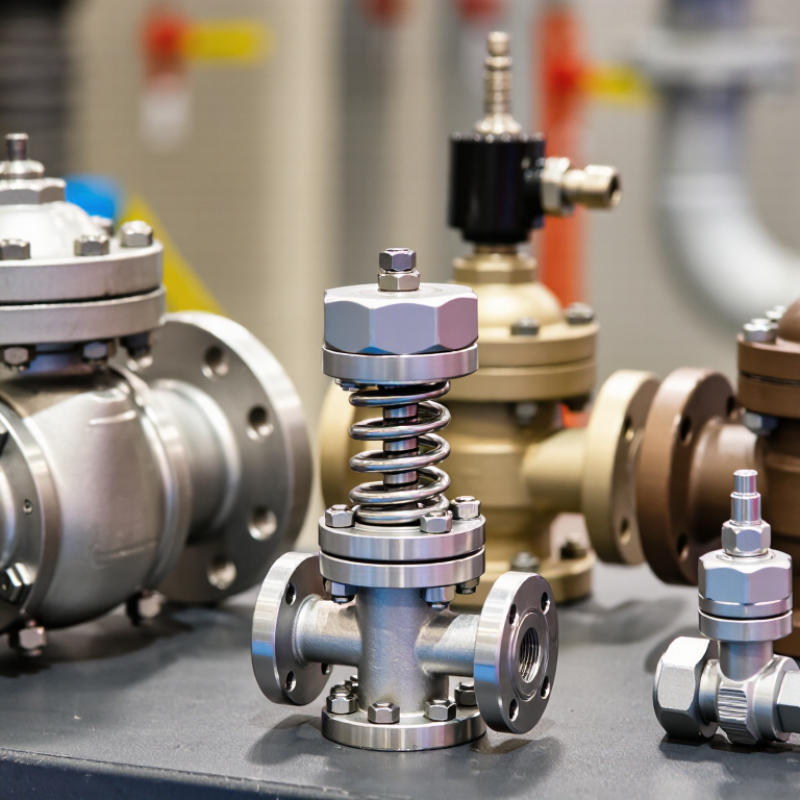
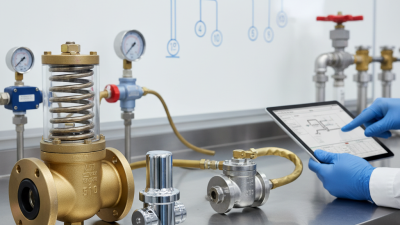
A pressure relief valve is a protective device that releases fluid when pressure rises beyond a set limit. In a typical spring-loaded design, system pressure pushes against a disc while a spring holds it closed. Once pressure overcomes the spring force, the disc lifts and fluid flows through the outlet. That is the job. When pressure falls, the spring usually helps the valve close again, though the closing point may differ slightly from the opening point.

Different designs suit different operating conditions. Spring-loaded valves are common and relatively direct in operation. Pilot-operated valves use a smaller control valve to manage the main valve, which can help where pressure or flow conditions are demanding. Thermal relief valves address pressure increases in trapped liquid, such as fluid warming inside a blocked pipe section. Small details matter. The valve’s pressure rating, materials, discharge capacity, and connection size should match the actual service. A valve that opens too late may not protect equipment; one that opens too often can interrupt operation. Real installations are less tidy than diagrams, so qualified review and routine inspection remain important.
Which Main Pressure Relief Valve Types Buyers Should Know

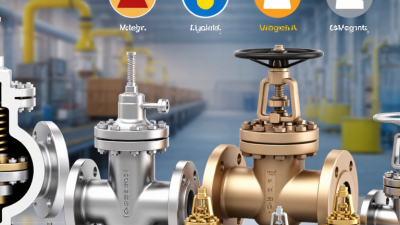
Buyers usually encounter three main pressure relief valve types: spring-loaded, pilot-operated, and balanced-bellows designs. A spring-loaded valve opens when pressure overcomes a preset spring force. Its compact construction suits many general services, but changing backpressure can affect performance. On a small air receiver, for example, the spring setting and discharge arrangement both deserve attention.

Pilot-operated valves use process pressure and a pilot mechanism to control the main valve. They can provide tight shutoff near the set pressure, which may help in high-pressure systems. However, small pilot passages can be sensitive to contamination. Clean operating conditions matter. A data sheet alone may not reveal every maintenance concern.

Balanced-bellows valves use a bellows to reduce the influence of backpressure on the valve’s opening point. This can be useful when discharge pressure varies, though it does not remove every installation limitation. Buyers should check the fluid, operating pressure, temperature, capacity, and expected backpressure with a qualified engineer. The best choice is not always obvious; actual piping conditions can make a seemingly suitable valve perform differently than expected.

How Valve Design and Materials Affect Performance

Pressure relief valve performance depends on more than the set pressure. Spring-loaded valves are compact and straightforward, but spring temperature limits and process deposits can affect repeatability. Pilot-operated designs can handle large flow demands with a smaller inlet, yet small pilot passages may clog in dirty service. Balanced-bellows designs help reduce backpressure effects. They also add a component that needs inspection. Small details matter.

Material choice changes how reliably the valve opens and reseats. Stainless-steel trim can resist many corrosive fluids, while carbon-steel bodies may suit less aggressive services. Neither choice is universal: chloride exposure, temperature, and fluid chemistry can change the risk. Soft seats may improve tightness, but elastomer compatibility must be checked against actual process conditions. API 520 Part I provides sizing methods and service-specific considerations; its guidance makes clear that capacity calculations depend on inlet, outlet, and fluid conditions, not valve type alone.

Overpressure allowances are not interchangeable design targets. API 520 Part I commonly uses 10% overpressure for a single-valve case, 16% for multiple-valve cases, and 21% for fire exposure, subject to the applicable code and scenario. ASME Boiler and Pressure Vessel Code Section VIII governs vessel protection requirements. Buyers should confirm certified capacity, set pressure, backpressure, and material traceability together. A datasheet can look complete, yet omit the operating detail that matters most. Recheck it.

2026 Top Pressure Relief Valve Types for Global Buyers

How Body Material Affects Thermal Performance

Approximate melting-point ranges illustrate one material property relevant to valve design. They are not allowable operating-temperature ratings: actual service limits depend on the specific alloy grade, pressure, design code, trim, and process conditions.

Where Different Pressure Relief Valve Types Are Used

Where Different Pressure Relief Valve Types Are Used

Spring-loaded valves are common on steam lines, pressure vessels, and general process equipment. Their compact design suits many services, but changing backpressure can affect performance.

A balanced-bellows valve helps limit that effect and can keep corrosive process fluid away from the spring. Small detail matters.

Pilot-operated valves often serve high-pressure systems or equipment needing high capacity and tight operating control. They depend on clean, compatible pilot connections, so dirty service may create problems.

Thermal relief valves protect liquid trapped between closed valves, such as in a short pipe section warming under sunlight.

Tips: Match the valve to the fluid, operating pressure, temperature, and expected backpressure. Check the manufacturer’s sizing data and applicable technical requirements with a qualified engineer. A valve that looks suitable on paper may not fit the real installation; I would verify the actual operating conditions before specifying it.

How Global Buyers Can Compare and Select a Valve

Choosing a pressure relief valve starts with the operating conditions, not the product label. Record the system’s normal pressure, required set pressure, temperature range, and fluid properties. A clean-water line and a steam vessel can need very different materials and designs. Small details matter.

Direct spring-loaded valves are common and relatively straightforward to maintain. Pilot-operated designs can suit some high-pressure or variable-load applications, while balanced-bellows designs may help where backpressure affects performance. These are not interchangeable choices. Compare certified capacity, allowable backpressure, connection size, and discharge arrangement against the system design. Ask for test documentation and material specifications, not just a catalogue figure.

A useful comparison sheet puts each candidate beside the same operating data. Check whether the stated capacity applies to your actual pressure and fluid, and confirm the valve’s temperature limits. Review maintenance access, replacement parts, and inspection requirements with the site team. A valve that fits on paper may be awkward to test in a cramped plant room. No comparison is perfect. I would still question any selection based on price alone; sizing assumptions can be easy to miss. Have a qualified engineer verify the final choice using the applicable design basis and current technical documentation.

2026 Top Pressure Relief Valve Types for Global Buyers - How Global Buyers Can Compare and Select a Valve

Valve type Operating principle Typical applications Key advantages Important limitations What buyers should compare
Conventional spring-loaded safety/relief valve A spring holds the valve closed until inlet pressure reaches the set pressure; the disc then lifts to relieve excess pressure. General gas, vapor, steam, and liquid services where outlet backpressure is low or reasonably stable. Simple design, widely used, and does not require an external power supply or control system. Variable or built-up backpressure can affect set pressure and capacity. Confirm the valve’s allowable backpressure and required stability. Set pressure, certified capacity, service phase, allowable overpressure, backpressure, inlet pressure loss, materials, and applicable code.
Balanced-bellows spring-loaded valve A bellows arrangement reduces the effect of outlet backpressure on the spring and moving parts. Process systems with variable backpressure, including some installations with a common discharge header. Less sensitive to backpressure than a conventional design; the bellows can also help isolate the spring from the process fluid. Bellows integrity and material compatibility matter. A bellows failure may affect valve performance, so inspection and service conditions must be considered. Maximum and variable backpressure, bellows material, corrosion risk, discharge arrangement, certified capacity, and maintenance access.
Pilot-operated pressure relief valve A pilot senses system pressure and controls the main valve, which is held closed by system pressure or another pilot-controlled arrangement. Applications requiring tight operating margins, higher capacity, or service in which conventional spring designs may be unsuitable. Can provide tight shutoff near set pressure and may accommodate certain backpressure conditions, subject to the specific design. Performance depends on pilot configuration, sensing lines, fluid cleanliness, and operating conditions. Not every design is suitable for every service or installation. Pilot type, sensing method, minimum operating pressure, backpressure limits, fluid cleanliness, response requirements, and failure behavior.
Thermal relief valve A small pressure-relieving device opens when liquid trapped in a closed section expands and raises pressure. Blocked-in liquid sections exposed to heat, such as isolated pipework or equipment sections. Addresses pressure rise caused by thermal expansion in a confined liquid volume; typically serves a specific local protection duty. It is not a substitute for sizing a primary process safety valve for fire, runaway reaction, or other major overpressure scenarios. Trapped volume, liquid properties, temperature range, set pressure, discharge destination, connection size, and compatibility with the protected section.
Safety valve / safety-relief valve with pop action Designed to open rapidly at the specified set pressure for applicable compressible-fluid services; safety-relief designs may be configured for more than one service type. Commonly considered for steam, gas, or vapor duties where rapid opening is required by the application and governing rules. Rapid lift can provide substantial relieving capacity over a short pressure rise when correctly selected and certified. Opening behavior, blowdown, and suitability depend on the design and service. Terminology and requirements can differ among jurisdictions and standards. Fluid phase, required relieving rate, set pressure, overpressure allowance, blowdown, discharge forces, certification, and jurisdictional requirements.
Modulating pressure relief valve Opens progressively in response to increasing pressure rather than relying on a rapid full-lift action. Selected liquid and process applications where controlled, progressive relief is appropriate for the system design. Progressive opening may suit some liquid services and help match relief flow to pressure rise. Do not assume it is interchangeable with a pop-action safety valve. Confirm capacity and opening behavior for the specific fluid and scenario. Required flow at each pressure, fluid compressibility, pressure rise profile, stability, set pressure, and applicable certification.

Selection note: Valve type alone does not establish suitability. Size and specify the device for the credible overpressure scenario, required relieving rate, fluid phase and properties, set pressure, allowable overpressure, backpressure, materials, connections, discharge piping, and applicable jurisdictional code. Common reference frameworks include ASME Boiler and Pressure Vessel Code Section VIII, API 520/521/526, and ISO 4126; applicability and certification depend on the equipment and destination market.