2026 How to Use an Inline Flame Arrestor Safely in Your System?
In industrial settings, safety is a priority. An Inline Flame Arrestor is a critical component for preventing fire hazards. Proper usage of this device can protect both equipment and personnel. However, without correct installation and maintenance, risks remain.
An Inline Flame Arrestor works by extinguishing flames within gas lines. It allows for safe operations even under high-pressure conditions. But, experience shows that improper placement can lead to failure. Understanding the specifications and manufacturer guidelines is essential. Regular inspections are necessary to ensure reliability and effectiveness.
While Inline Flame Arrestors are designed for safety, they are not foolproof. Over time, deposits can build up, obstructing their functionality. Users must be aware of this risk. Training staff to recognize signs of malfunction will improve overall system safety. In every installation, knowledge is key to maximizing safety and performance.
Understanding the Basics of Inline Flame Arrestors in Safety Systems
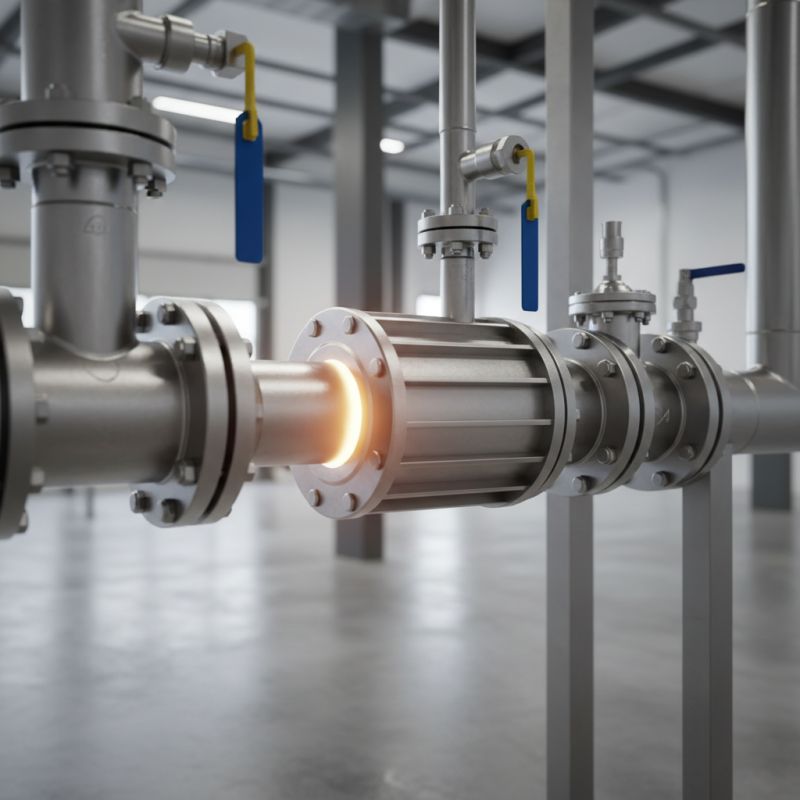
Inline flame arrestors are essential in safety systems. They prevent flame propagation in pipelines. Understanding their basics is crucial for safe operation.
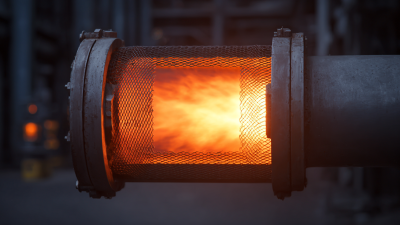
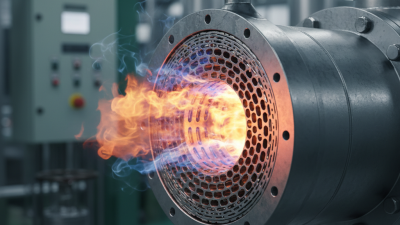
These devices work by cooling the flame front. When a flame reaches the arrestor, it cools before it can enter the system. This technology can save lives and property. However, improper installation can lead to failures. Regular maintenance is needed to ensure effectiveness. Operators often overlook these checks.
Training is vital for all personnel. They must understand how the device works. Misunderstandings can create dangerous situations. Use clear signage and instructions. Encourage a questioning culture regarding safety practices. Regular drills can help reinforce the importance of flame arrestors. The goal is a safe working environment for everyone.
Key Functions and Benefits of Inline Flame Arrestors
Inline flame arrestors play a crucial role in safety systems. Their primary function is to prevent the propagation of flames within pipelines. This is essential for industries handling flammable gases or liquids. The design of these devices is specifically aimed at interrupting the flame front. This allows safe operation and mitigates potential hazards.
One major benefit of inline flame arrestors is their ability to protect equipment. They are installed to ensure that a fire does not damage sensitive machinery. With effective flame control, operational costs can decrease due to less equipment failure. Moreover, compliance with safety regulations becomes smoother when using these devices.
Tips: Regular maintenance is key. Inspect the ignition gaps and ensure they are clear. Observing pressure drop during operation can give insights into possible blockages. Training staff on proper usage is vital. Understanding the limits of flame arrestors reduces risks significantly.
2026 How to Use an Inline Flame Arrestor Safely in Your System? - Key Functions and Benefits of Inline Flame Arrestors
| Function |
Benefit |
Application Areas |
Safety Features |
| Prevent Flame Spread |
Enhanced Fire Safety |
Chemical Processing |
Thermal Expansion Design |
| Pressure Relief |
Prevention of Overpressure |
Oil and Gas Industry |
Heavy Duty Construction |
| Flow Regulation |
Improved Process Efficiency |
Marine Applications |
Non-Combustible Materials |
| Maintenance Ease |
Lower Operational Downtime |
Refinery Operations |
Corrosion Resistance Features |
| Flame Quenching |
Significant Injury Reduction |
Pharmaceutical Manufacturing |
Built-In Pressure Monitoring |
Steps for Proper Installation of Inline Flame Arrestors
Installing an inline flame arrestor requires careful consideration. Proper placement is critical for effectiveness. Choose a location that allows for easy maintenance and accessibility. The arrestor should be installed in a straight section of the pipe. Make sure there is enough space on both sides. This helps avoid pressure drops or flow disturbances.
Before installation, ensure the system is depressurized. This step protects workers from potential hazards. Use appropriate tools and safety measures during the installation. The arrestor should be oriented correctly; usually, the flow direction is clearly marked. Double-check the fittings to prevent leaks.
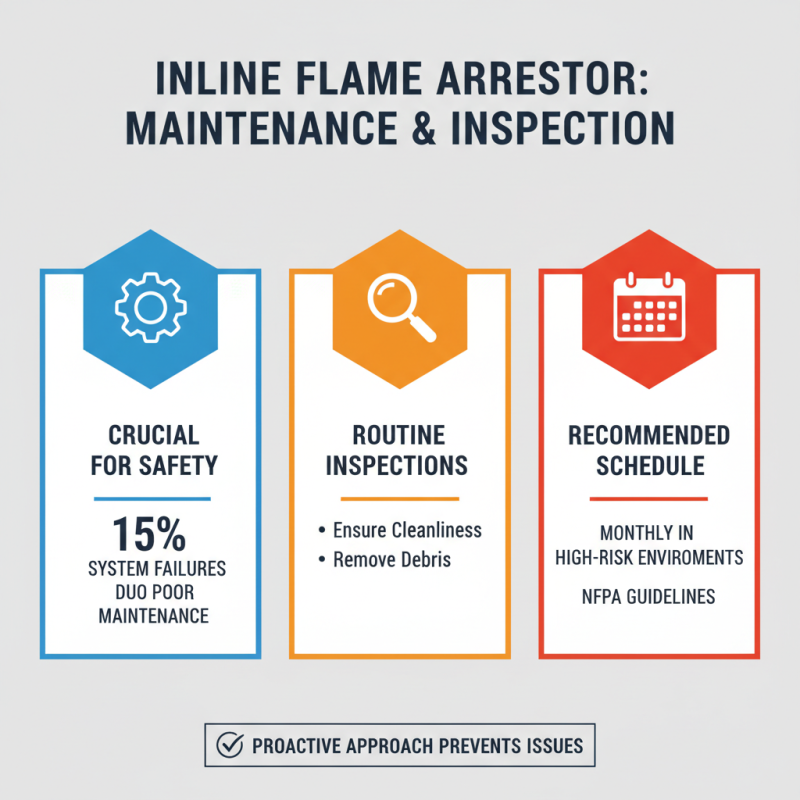
Ensure regular inspections of the flame arrestor after installation. Over time, debris can accumulate, reducing effectiveness. Consider conducting routine maintenance checks to prolong the life of the device. Monitor the system pressure and flow rates for any irregularities. Documentation of these checks can help identify potential issues before they become serious. Balancing safety and functionality is essential in this process.
Common Mistakes to Avoid When Using Inline Flame Arrestors
When using inline flame arrestors, awareness of common mistakes is crucial for safety. One significant error is improper sizing. According to industry guidelines, selecting a flame arrestor with the right flow capacity can prevent potential hazards. Choosing an undersized device can lead to failure under high-pressure conditions. An arrestor must match the system's characteristics to effectively mitigate flame propagation.
Another frequent mistake is insufficient maintenance. Regular inspections can help identify wear or blockages. A study by the Fire Protection Research Foundation indicates that neglecting maintenance increases risk factors significantly. The failure to clean or replace arrestors as recommended can lead to inefficiencies that compromise safety.
Tips: Always check the manufacturer’s specifications before installation to ensure compatibility. Monitor the performance of inline flame arrestors routinely to identify any anomalies, like unusual pressure drops.
Finally, consider environmental factors. High temperatures or corrosive atmospheres can impact the effectiveness of inline flame arrestors. Regularly assessing the operating environment will aid in maintaining optimal safety standards. Being proactive and informed can help prevent costly mistakes and ensure the integrity of your system.
Common Mistakes to Avoid When Using Inline Flame Arrestors