Top 5 Benefits of Using Pressure Vacuum Relief Valve?
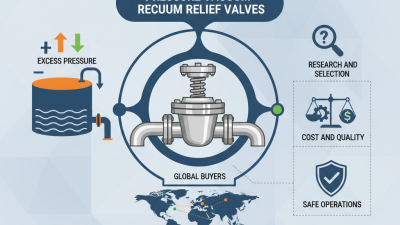
Pressure Vacuum Relief Valves (PVRVs) play a critical role in safeguarding storage tanks and pipelines. According to a report by the American Petroleum Institute, nearly 70% of all liquid storage tank failures result from inadequate pressure control. Industry expert, Dr. Emily Reynolds, states, "Effective management of internal tank pressure directly influences the safety and integrity of stored products."
PVRVs provide several vital benefits. They prevent excessive pressure buildup during filling and reduce the risk of vacuum conditions when draining. Their effective operation protects tanks from potential structural failures and catastrophic leaks. In sectors like oil and gas, where material integrity is paramount, the use of PVRVs is not merely beneficial; it is essential.
Despite the numerous advantages, maintenance and selection of appropriate PVRVs can be a challenge. Proper installation and understanding of the operational environment are crucial. As Dr. Reynolds emphasizes, "Even with the right equipment, neglecting regular inspections can lead to unforeseen issues." Organizations must prioritize reliability to ensure the safety of their operations.
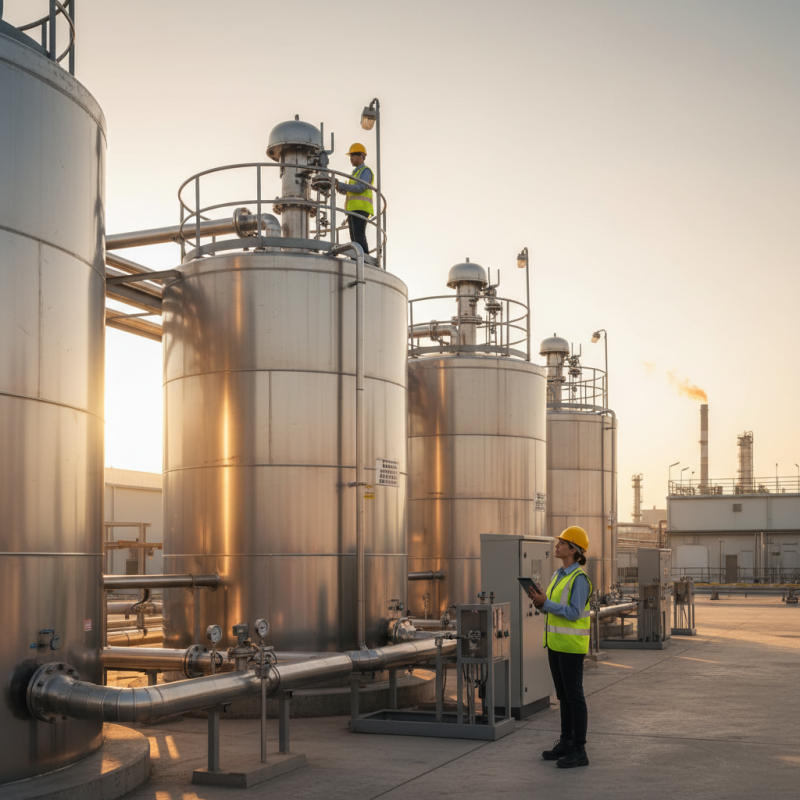
What is a Pressure Vacuum Relief Valve and Its Function?
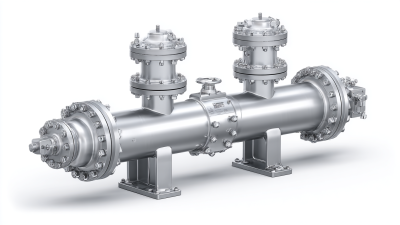
A pressure vacuum relief valve (PVRV) is a critical safety device used in various industries. It regulates pressure in tanks and pipelines. When pressure increases, the valve opens to release excess gas. This prevents dangerous over-pressurization. When the pressure drops, the valve closes, preventing vacuum formation. Such functionality is essential for protecting equipment.
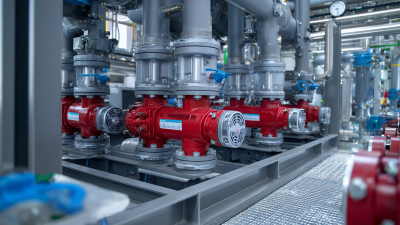
Understanding the function of a PVRV is vital for safety. These valves often operate in challenging environments. They must withstand corrosion and extreme temperatures. Proper installation and maintenance are crucial for reliability. If installed incorrectly, they can malfunction and create hazardous conditions.
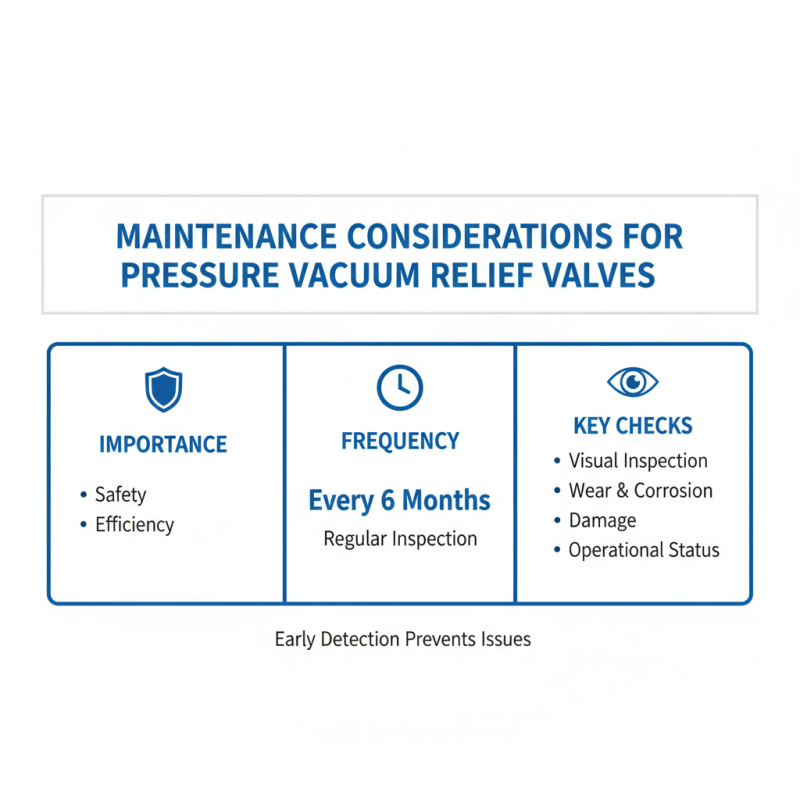
Operators should regularly check their PVRVs. Signs of wear or corrosion can indicate potential failure. Testing valves under controlled conditions is advisable. An inspection routine helps ensure they function effectively. Knowledge of these valves allows for safer operational practices.
Significance of Pressure Regulation in Storage Tanks
Pressure regulation in storage tanks is crucial for maintaining safety and efficiency. Proper regulation prevents vapor formation and minimizes the risk of overpressure. A well-functioning pressure vacuum relief valve is key in this process. These valves manage the internal atmosphere, allowing safe venting of gases and maintaining optimal pressure levels.
Without effective pressure control, tanks may experience catastrophic failures. An uncontrolled pressure build-up can lead to structural damage. This issue often stems from poor design or outdated equipment. Regular inspection and maintenance of relief valves can mitigate these risks. Operators should be aware of environmental factors that could impact tank pressure.
It's also important to educate staff on proper emergency procedures. Inadequate training can result in confusion during critical situations. A proactive approach to pressure management fosters a culture of safety. While technology aids in monitoring, human oversight remains essential. Continuous improvement and adaptation in procedures will enhance operational reliability.
Benefits of Using Pressure Vacuum Relief Valves in Safety Systems
Pressure vacuum relief valves play a critical role in safety systems across various industries. These valves help to maintain pressure equilibrium in storage tanks and piping systems. They prevent catastrophic failures due to pressure imbalances. When tanks are exposed to changes in temperature, they can expand or contract. Without these valves, tanks may fail under excessive pressure or collapse under vacuum conditions.
Implementing pressure vacuum relief valves can significantly reduce risks. They allow for the safe release of gases and vapors, minimizing explosion hazards. Moreover, training staff on these systems is essential. Understanding how these valves function enhances safety protocols. Facilities should not overlook regular maintenance inspections. Neglect can lead to valve malfunction, potentially causing severe consequences.
While these valves are crucial for safety, they need to be integrated into a broader safety strategy. Operators must be aware of their limitations. In some cases, relying solely on these valves may not be sufficient. Continuous improvement in safety standards and procedures is necessary. Establishing comprehensive risk assessments around their use is vital for any organization.
Top 5 Benefits of Using Pressure Vacuum Relief Valves
How PV Relief Valves Enhance Operational Efficiency
Pressure vacuum relief valves play a crucial role in enhancing operational efficiency. These devices are essential for maintaining the right pressure levels in tanks and vessels. By allowing the release of excess pressure or vacuum, they prevent structural damage. This protection extends the lifespan of equipment and minimizes downtime due to maintenance or repairs.
Operational efficiency goes beyond machinery safety. When installed correctly, pressure vacuum relief valves can optimize throughput. They ensure consistent operation without interruptions. In industries like oil and gas, even minor fluctuations can lead to significant losses. Thus, these valves help maintain process integrity and improve overall productivity.
However, there can be challenges. Installing these valves requires skilled professionals. Incorrect installation may lead to system failures. Regular maintenance checkpoints are essential; neglect could undermine their effectiveness. Companies must invest in training and operational checks. The benefits hinge on the proper function of these valves, making attention to detail vital for success.