China Best Blanket Gas Regulator for Global Buyers Guide?
When it comes to selecting the best Blanket Gas Regulator, global buyers face numerous challenges. The market is flooded with options, making it difficult to make informed decisions. Industry expert Dr. Emily Chen once noted, "The key to a reliable gas system lies in choosing the right regulator." Her insight emphasizes the critical role that Blanket Gas Regulators play in ensuring safety and efficiency.
A good Blanket Gas Regulator should provide consistent performance across various applications. It must handle fluctuations in pressure and maintain the necessary flow rates. Buyers need to consider factors such as compatibility, durability, and the type of gas used. A misstep in this choice can lead to significant operational issues.
Reliance on generic specifications often leads to suboptimal decisions. Many buyers overlook manufacturer support and service history, which are vital for long-term reliability. While it may be tempting to go for the cheapest option, this can result in more costs in the future. An informed choice is born out of experience, knowledge, and the willingness to ask the right questions.
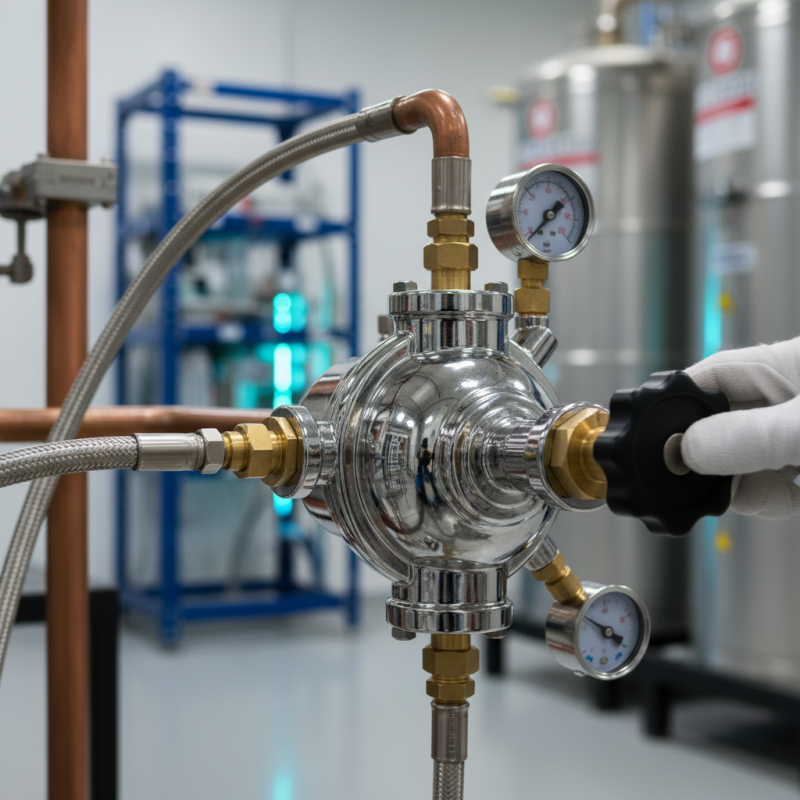
Overview of Gas Regulators and Their Importance in China
Gas regulators are essential components in various applications, especially in residential and industrial settings. In China, these devices control the pressure of gas, ensuring safe and efficient delivery. A reliable gas regulator prevents leaks and malfunctions, making it a critical element in any gas system. Manufacturers in China focus on quality and safety standards to meet global requirements.
The production of gas regulators in China has seen significant advancements. Many facilities now utilize advanced technology and stringent quality control measures. This ensures that the devices can withstand high pressures and fluctuations. However, not all products are created equal. It's vital for buyers to research and understand the specifications and certifications that guarantee safety.
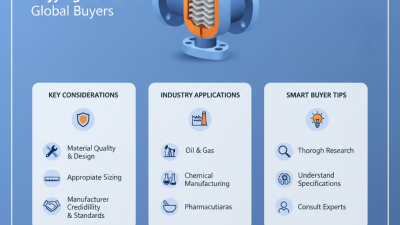
While aspiring to select the best gas regulator, buyers should examine various factors. This includes material quality, pressure ratings, and compatibility with gas types. Manufacturers often provide detailed technical specifications. However, sometimes the marketing materials can be misleading. Prospective buyers need to critically evaluate these claims and seek expert advice to ensure they make informed decisions.
Key Features to Consider When Choosing a Gas Regulator
When selecting a gas regulator, understanding key features is essential. Safety is paramount. Look for regulators with built-in overpressure relief systems. This prevents harmful gas buildup, ensuring both equipment and user safety. Check the construction materials too. Durable materials resist corrosion and wear. This enhances longevity.
Another crucial aspect to consider is flow rate. Each application requires different flow levels. Make sure to match the regulator's specifications with your needs. Adjustability can be beneficial. Some models allow for fine-tuning of pressure, providing flexibility during use.
Don’t overlook compatibility. Ensure the regulator works with your gas type. Mismatched devices can lead to inefficient performance. Regular maintenance is also important. Periodic checks keep the regulator functioning and safe. Recognize that even top-tier equipment can fall short without proper care. Balancing these features can be complex, yet rewarding when done right.
Top Manufacturers of Gas Regulators in China
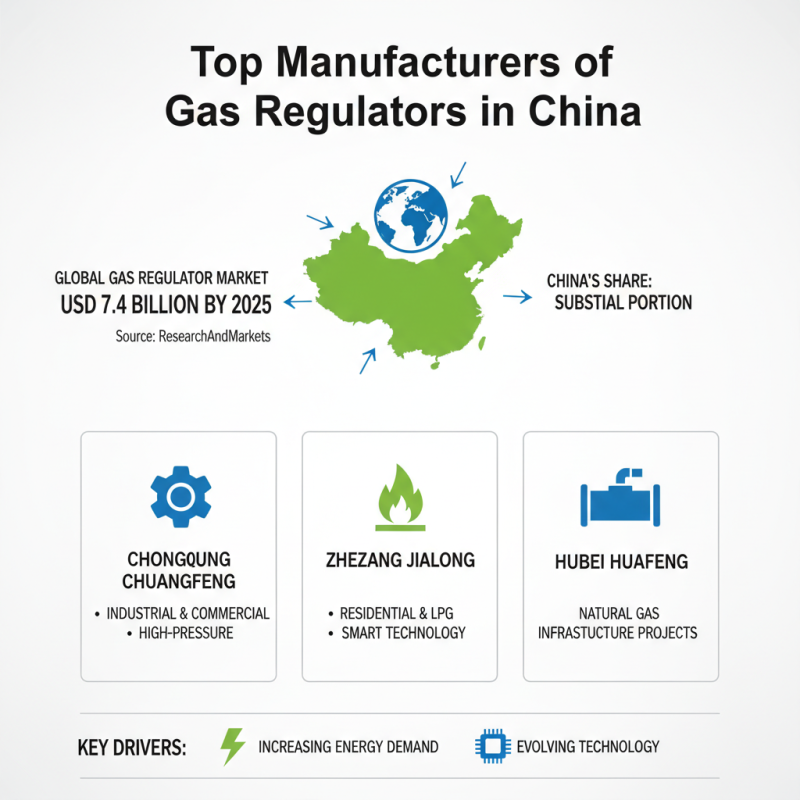
In recent years, China's gas regulator industry has experienced significant growth, making it a key player on the global stage. This surge is driven by increasing energy demands and evolving technology. According to a market report by ResearchAndMarkets, the global gas regulator market is expected to reach USD 7.4 billion by 2025, with a substantial portion stemming from Chinese manufacturers.
Notably, several top manufacturers in China are recognized for their expertise and innovation. They emphasize quality and efficiency, adhering to international standards. Many Chinese gas regulators feature advanced safety mechanisms, ensuring reliable performance for diverse applications. A well-designed regulator can minimize gas wastage and enhance overall system efficiency.
**Tips:** When sourcing gas regulators, consider the manufacturer’s certifications and industry reputation. Look for user reviews to gauge reliability and performance. Additionally, try to understand the specific requirements of your application to ensure compatibility.
However, the rapid expansion has also led to challenges. Some manufacturers may prioritize speed over quality, which may compromise product reliability. It’s crucial to scrutinize product specifications and past performance records. Engaging with local experts can offer deeper insights into selecting the best options for your needs.
Safety Standards and Certifications for Gas Regulators in China
When considering gas regulators in China, safety standards play a crucial role. These devices manage gas flow and pressure, making regulatory compliance essential. The primary standards to look for include ISO, EN, and GB certifications. These certifications ensure that the regulators meet international safety requirements. Gas regulators must undergo rigorous testing to validate their performance and reliability.
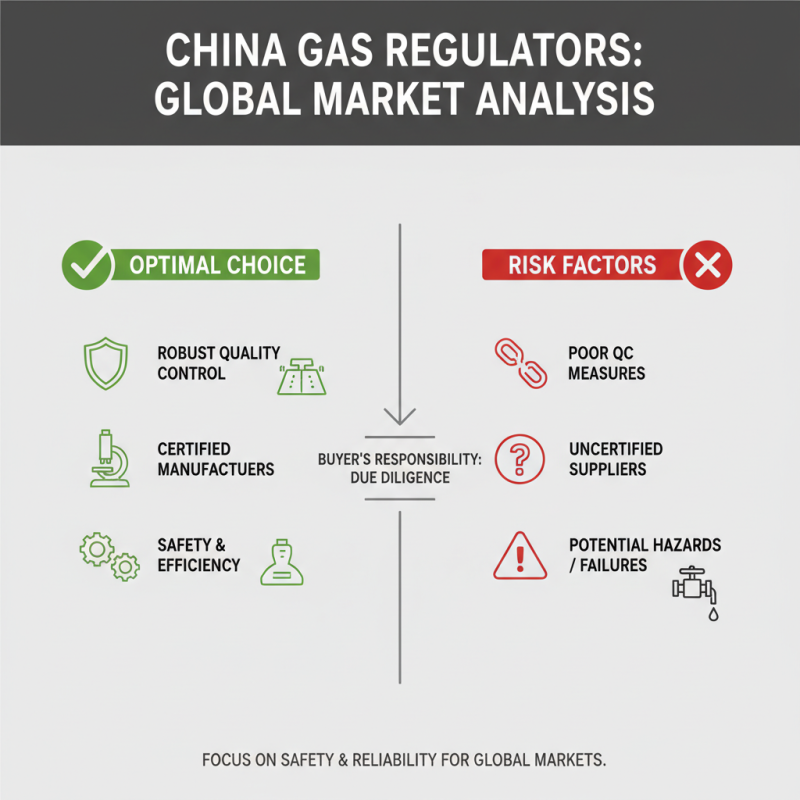
In China, manufacturers often face challenges with compliance due to variations in quality and inspection processes. Not all products meet the established standards. It is vital for global buyers to assess manufacturer qualifications. Checking if the company holds relevant certifications can provide insights into their commitment to safety.
Communication with suppliers should involve inquiries about their testing procedures. This practice can reveal how they ensure product longevity and safety. Being proactive in such discussions will help buyers make informed decisions. Ultimately, it’s not just about choosing a product; it’s about ensuring safety and reliability in gas usage.