How to Choose the Right Tank Flame Arrestor for Your Needs?
When selecting a Tank Flame Arrestor, making informed choices is crucial. Industry reports indicate that improper use can lead to significant safety hazards. A recent study by the National Fire Protection Association (NFPA) highlighted that over 30% of industrial fires are linked to flammable vapors. This statistic underscores the importance of using the correct flame arrestor design.
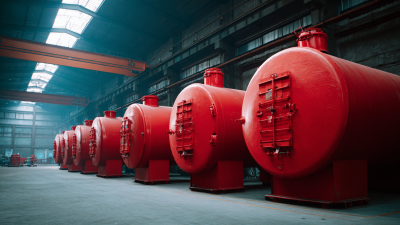
Tank Flame Arrestors serve as a critical line of defense against potential ignition sources. These devices not only protect storage tanks but also prevent dangerous explosions. Finding the right model involves understanding various factors, such as tank size and operating environment. Specialized manufacturers provide data-driven insights that help users choose effective solutions tailored to their specific needs.
However, many professionals overlook essential aspects when selecting a Tank Flame Arrestor. Details such as flow rates, installation recommendations, and maintenance procedures are often neglected. This oversight can pose serious risks. Evaluating these elements carefully can enhance safety and ensure compliance with industry standards, making the decision-making process vital for operational success.
Understanding the Functionality of Flame Arrestors in Tanks
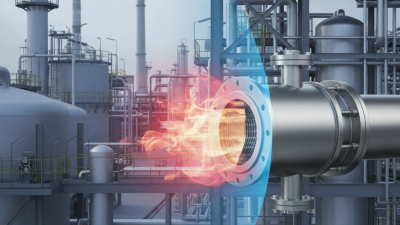
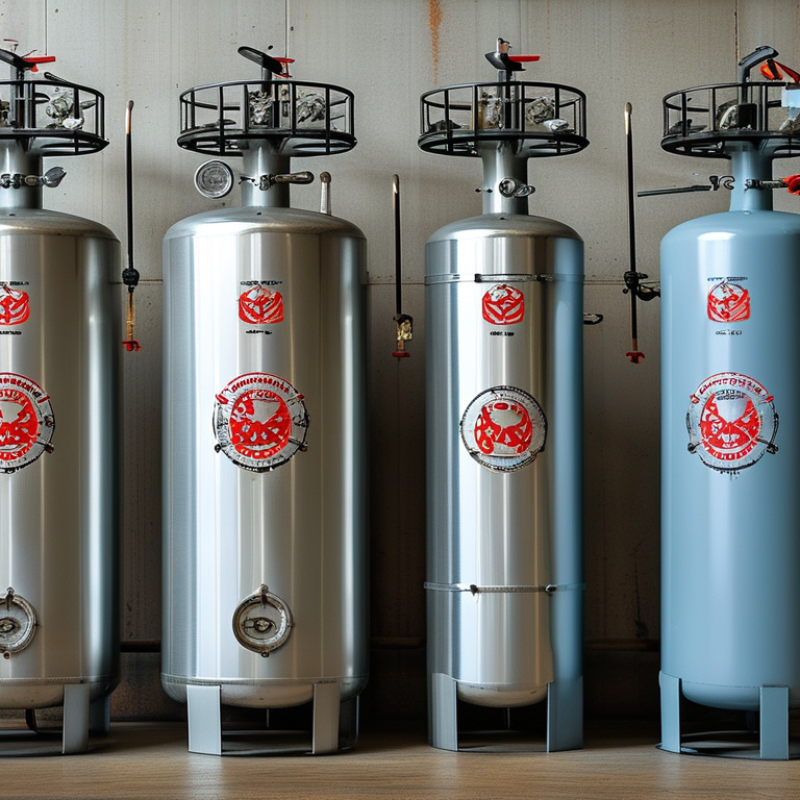
Flame arrestors play a critical role in tank safety. They prevent the propagation of flames or explosions within storage tanks. Understanding their functionality is key to making informed decisions. A flame arrestor acts by cooling and quenching the flame. It allows safe venting of gases while stopping a fire from traveling back into the tank.
Choosing the right flame arrestor is not straightforward. Factors like tank design, type of stored substance, and potential hazards must be considered. The installation location also matters. Some arrestors work better in specific environments.
The effectiveness of a flame arrestor can vary based on its construction. Regular maintenance can affect performance over time as well.
Users may not always recognize the signs of wear or damage. Sometimes, flame arrestors are overlooked during inspections. This can lead to dangerous situations. It’s essential to ensure that the chosen device adheres to relevant standards. Consulting with experts can provide additional clarity. Evaluating different models can help in discovering the best fit for your needs.
Types of Tank Flame Arrestors: Pros and Cons
When selecting a tank flame arrestor, understanding the types available is crucial. Two common types are the
passive and active flame arrestors. Passive models work without any electrical components.
They prevent flames from entering a tank by using a series of barriers. However, they can be less effective in high-pressure scenarios.
They might not function well if there are strong pressure surges.
Active flame arrestors are more complex. They require electrical power to operate, which helps manage pressures and flow rates.
While they are generally more reliable, they can face issues during power outages. Additionally, the maintenance for
active arrestors can be more demanding.
Each type has its strengths and weaknesses. Passive devices may seem simpler, yet they lack versatility.
On the other hand, active systems bring reliability but at the cost of higher complexity and maintenance requirements.
It is essential to evaluate your specific tank situation before deciding.
Consider factors like pressure ranges,
environmental conditions, and potential hazards.
Making an informed choice can significantly enhance safety and efficiency in your operations.
Key Factors to Consider When Selecting a Flame Arrestor
When selecting a tank flame arrestor, focus on specific factors that influence performance and safety. One key aspect is the type of material used in the construction. Stainless steel or aluminum can offer resistance to corrosion, prolonging the device's lifespan. Consider the operating environment as well. Harsh conditions may require enhanced durability.
Another important factor is the flow rate. This measurement indicates how much gas can pass through without causing a flashback. Ensure that the selected arrestor matches the tank's requirements to maintain efficiency. Additionally, check the installation requirements. Improper setup can lead to failure.
Finally, consider the maintenance needs of the flame arrestor. Some models may require frequent inspections and cleaning. A reliable arrestor will require less oversight, saving time and costs in the long run. Always reflect on the cost versus quality balance. Sometimes, cheaper options may compromise safety or reliability. It's crucial to weigh all these factors before making a decision.
How to Choose the Right Tank Flame Arrestor for Your Needs?
| Key Factor |
Description |
Consideration |
| Application Type |
Determine whether the flame arrestor is for internal or external applications. |
Select a design suitable for the application environment. |
| Temperature Rating |
Check the operating temperature range of the flame arrestor. |
Ensure it meets the specific temperature requirements of your application. |
| Pressure Drop |
Assess the allowable pressure drop across the flame arrestor. |
Choose a model that minimizes pressure loss while maintaining safety. |
| Material Compatibility |
Identify materials that will come into contact with the flame arrestor. |
Select materials that resist corrosion and chemical damage. |
| Flow Capacity |
Evaluate the required flow rate for your system. |
Ensure the flame arrestor can handle the maximum expected flow. |
| Compliance Standards |
Determine applicable safety and industry standards. |
Select a flame arrestor that meets or exceeds required certifications. |
Installation and Maintenance Tips for Optimal Performance
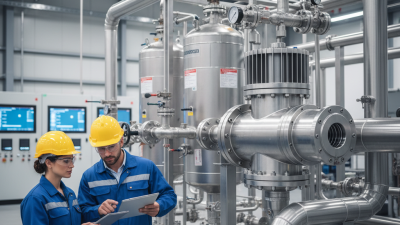
When it comes to maintaining a tank flame arrestor, regular inspection is essential. Check for any signs of wear or damage. Corrosion can compromise performance, so pay attention to those areas. Ensure that all connections are tight. A loose fitting can lead to leaks, increasing risk. Consider using a torque wrench to achieve proper tension.
Cleaning the arrestor periodically can prevent buildup that affects its functionality. Use non-corrosive cleaners to avoid damaging any components. Ensure that you follow the manufacturer's guidelines for cleaning methods. Additionally, inspect the venting systems. Blocked vents can create hazardous conditions.
Keep an eye on the installation conditions as well. The correct placement of the flame arrestor is crucial for optimal performance. It should be positioned away from potential ignition sources. Failure to do so might lead to unnecessary risks. Regular training for employees can also enhance safety protocols. Everyone should know what to check and when. Fostering a culture of safety can make a significant difference in maintaining system integrity.
Regulatory Standards and Compliance for Flame Arrestors
When selecting a flame arrestor, understanding regulatory standards is crucial. Different industries enforce specific guidelines. These standards ensure the safety and effectiveness of flame arrestors in various environments. Compliance with regulations reduces the risk of accidents and enhances operational safety.
Regulatory agencies may vary by region. In many places, agencies like OSHA and NFPA set stringent requirements. Knowing these can be overwhelming. Not all flame arrestors meet every standard. Selecting one that fits your industry’s needs is essential. It's not always straightforward, and sometimes, a gap in knowledge can lead to poor choices.
Documentation and testing play significant roles in compliance. Manufacturers must provide evidence of effectiveness. However, not all documentation is accessible or clear. Users should request performance data and verify results. This step can help in making informed decisions. Remember, safety should never be compromised due to a lack of diligence. Be proactive in understanding requirements and evaluating options carefully.