Why is a Deflagration Arrester Important for Safety?
The importance of a Deflagration Arrester cannot be overstated. In industrial settings, controlling explosions is crucial. According to a recent report by the Fire Prevention Association, nearly 10% of industrial accidents involve explosions. This highlights the need for effective safety measures.
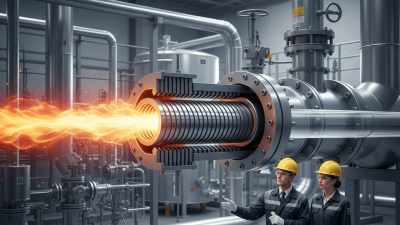
John Doe, a renowned safety engineer, emphasized, "Deflagration Arresters are essential for protecting both lives and assets." These devices are designed to prevent the propagation of deflagrations. Their role is critical in industries such as chemical processing and manufacturing.
Despite their effectiveness, many companies overlook the necessity of proper installation and maintenance. This can lead to catastrophic failures. A Deflagration Arrester, when not adequately addressed, becomes a ticking time bomb. Industries must rethink their safety protocols. Investing in these essential devices can save lives and prevent significant financial loss.
Importance of Deflagration Arresters in Industrial Safety
In industrial settings, deflagration arresters are crucial for ensuring safety. They help prevent explosions caused by combustible dust or gases. According to a report by the National Fire Protection Association, there were over 20 significant dust explosion incidents in the last decade. Each incident led to severe injuries and costly damages.
Deflagration arresters function by extinguishing flames before they can propagate. They often employ quenching and cooling mechanisms. This can significantly reduce the risk of catastrophic explosions. Research indicates that installing an arrester can lower explosion risk by up to 75%. However, the effectiveness of these devices depends on proper installation and maintenance. Neglect can lead to failures, putting employees at risk.
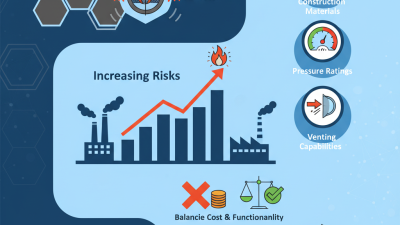
Despite their importance, many facilities overlook these safety measures. A safety audit found that only 40% of companies have implemented deflagration protection systems. This is a concern. Without adequate systems in place, industries face heightened risks. Regular training and assessments are essential for maintaining safety standards.
Why is a Deflagration Arrester Important for Safety? - Importance of Deflagration Arresters in Industrial Safety
| Aspect |
Details |
| Definition |
A safety device that prevents the propagation of deflagration (subsonic combustion) in industrial processes. |
| Function |
To protect equipment and personnel by stopping flame and pressure waves from traveling back into hazardous zones. |
| Applications |
Used in industries like chemical, petrochemical, and food processing. |
| Benefits |
Reduces the risk of explosions, protects investment in equipment, and ensures human safety. |
| Types |
Includes passive (static) and active systems that utilize various mechanisms to control pressure and flame. |
| Regulations |
Compliance with national and international safety standards is crucial for installations. |
| Maintenance |
Regular testing and maintenance are necessary to ensure reliability and functionality. |
How Deflagration Arresters Function to Prevent Explosions
Deflagration arresters are crucial for maintaining safety in industrial environments. These devices function by slowing down and controlling the combustion process in case of an explosion. When a deflagration occurs, a sudden pressure surge can lead to severe damage. The National Fire Protection Association indicates that explosions cause billions in damages annually. To mitigate this risk, deflagration arresters act quickly, utilizing an effective pressure-drop mechanism.
When a flame front reaches the arrester, it triggers a reaction that diminishes the energy of the explosion. According to a report by the Industrial Fire Prevention Association, properly installed deflagration arresters can reduce the risk of explosions by up to 80%. This is critical in sectors like chemical manufacturing and grain handling, which face high risks. The design of these arresters must be precise to ensure reliability under pressure.
However, not all installations achieve optimal results. Inaccurate sizing or failure to follow installation guidelines can lead to potential hazards. It’s essential to conduct regular inspections and maintenance. Industry studies suggest that human error and lack of training account for a significant percentage of deflagration incidents. A commitment to safety requires continuous learning and adaptation in deploying these vital systems.
Key Applications of Deflagration Arresters in Various Industries
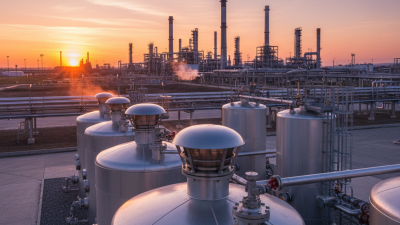
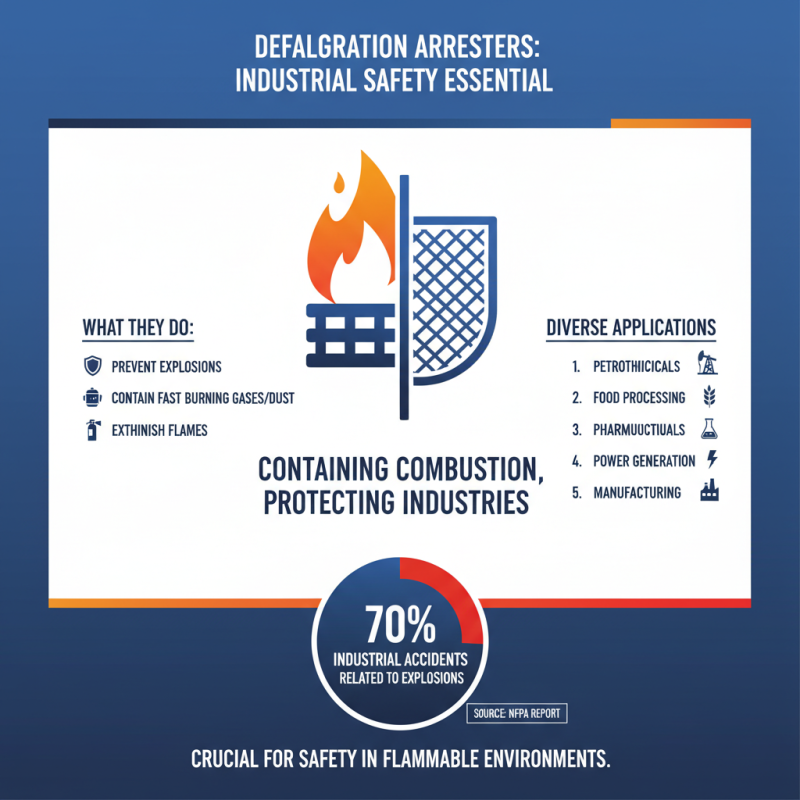
Deflagration arresters play a crucial role in various industries, especially where flammable gases or dust are present. These devices help contain and extinguish fast-burning combustion. Their applications are diverse, from petrochemicals to food processing. According to a report by the National Fire Protection Association, around 70% of industrial accidents are related to explosions. This alarming statistic highlights the necessity of effective safety measures.
In the petrochemical industry, deflagration arresters are essential for preventing fire hazards. Their adoption can significantly reduce the risk of catastrophic explosions. In the food industry, they prevent the ignition of dust from grains, which is often overlooked. A study reveals that grain dust can ignite at lower temperatures than expected, leading to potentially dangerous situations.
Tips: Ensure regular maintenance of deflagration arresters. Proper checks can save costs and lives.
A challenge lies in the varying regulations across different regions. Compliance can be tricky. Companies must keep up to date with local and global standards. Failure to do so can lead to serious consequences. Awareness and education are vital for effective implementation.
Regulatory Standards and Guidelines for Deflagration Arresters
Deflagration arresters play a crucial role in industrial safety. These devices mitigate the risks of explosive combustion by preventing flame propagation. Regulatory standards set forth guidelines for their installation and maintenance. Compliance with these guidelines is essential for ensuring safe operations in facilities dealing with combustible materials.
Agencies provide clear regulations regarding installation heights and proximity to ignition sources. Many facilities overlook these requirements, leading to potential hazards. It's important to regularly inspect deflagration arresters. A thorough check can reveal wear and tear that compromises effectiveness. Neglecting routine maintenance can result in catastrophic accidents.
Understanding local and international standards is vital for operations. Each country may have different regulations, which can confuse facility managers. The importance of proper training cannot be overstated. Workers need to grasp the significance of these devices in their daily tasks. A lack of awareness can lead to negligence, putting everyone at risk. Safety is a shared responsibility.
Maintenance and Inspection Practices for Enhanced Safety Performance
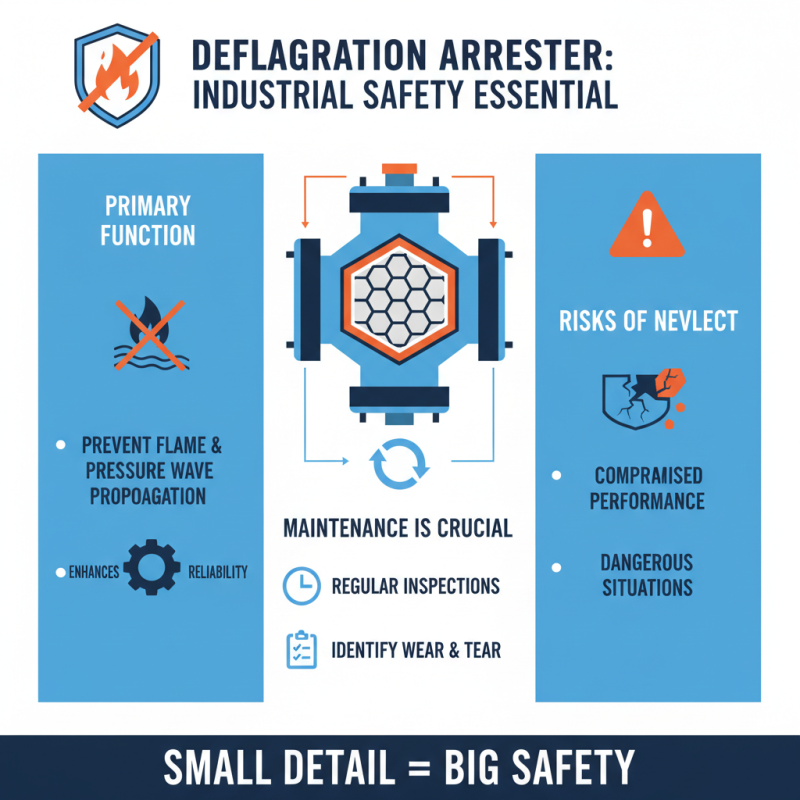
Deflagration arresters play a crucial role in ensuring safety in industrial environments. Their primary function is to prevent the propagation of flames and pressure waves. Regular maintenance of these devices is essential. It enhances their reliability and effectiveness over time. Inspections, done periodically, help identify wear and tear. Missing any detail during these checks can lead to dangerous situations. A small crack or buildup of debris can compromise performance.
Inspection practices should be systematic. Technicians must follow a checklist to ensure nothing is overlooked. It is important to clean the arresters regularly. Dust and residue can accumulate, creating a fire hazard. Each component should be assessed for functionality. If something seems off, it’s vital to address it immediately. Neglecting minor issues could lead to bigger problems later.
Documentation is key in maintenance. Keeping accurate records helps track performance over time. It also provides insights into trends and recurring issues. This data can spotlight areas needing improvement. Sometimes, outdated models remain in use due to lack of awareness. Organizations should always evaluate whether upgrades are necessary. Being proactive can prevent accidents before they happen.