What Are Deflagration Type Flame Arresters and How Do They Work?
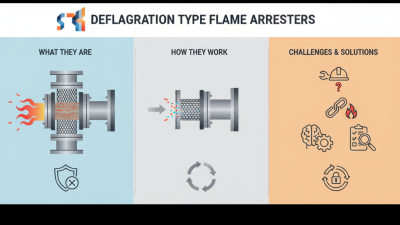
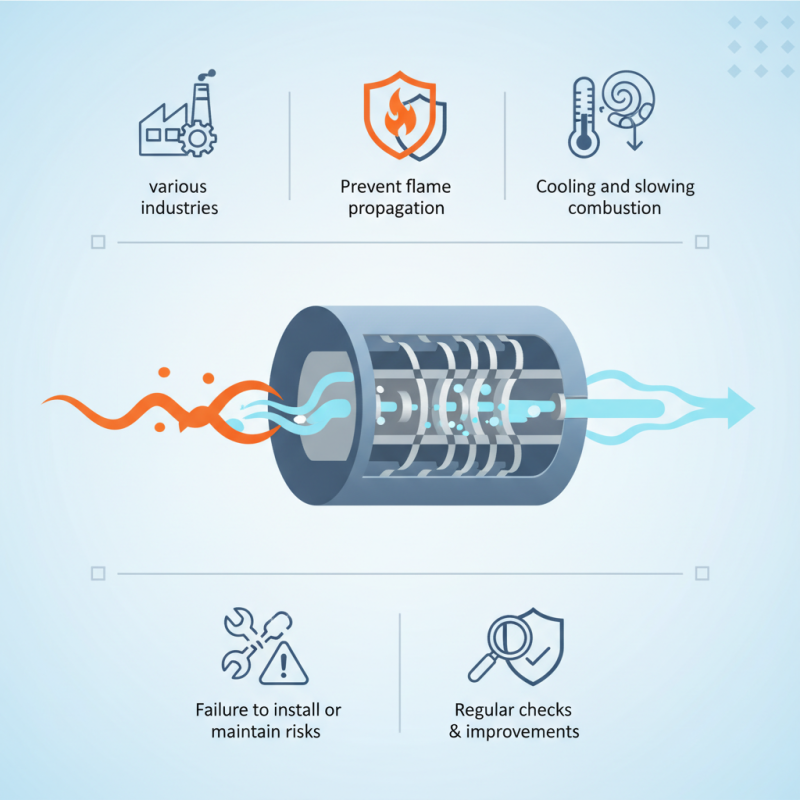
Deflagration Type Flame Arresters are essential safety devices used in various industries. These systems prevent the propagation of flames in gas or vapor mixtures. They function by cooling and slowing the combustion process. This mechanism is crucial in environments where explosive materials are present.
In simple terms, Deflagration Type Flame Arresters work like protective barriers. They allow the flow of gases while trapping flames. This characteristic is vital in maintaining a safe working environment. The design includes specially engineered materials that withstand high temperatures.
However, not all systems are foolproof. Failure to install or maintain them properly can lead to serious risks. It's important to regularly check their effectiveness. Awareness of their limitations fosters a better understanding of fire safety. There is always room for improvement in safety protocols. Ultimately, the goal is to protect both lives and property.
What Is a Deflagration Type Flame Arrester?
Deflagration type flame arresters are safety devices. They prevent flames from traveling through gas pipelines or vents. These devices are essential in various industries, especially where flammable gases or vapors are present. At its core, a deflagration flame arrester allows gas to flow while blocking flame propagation.
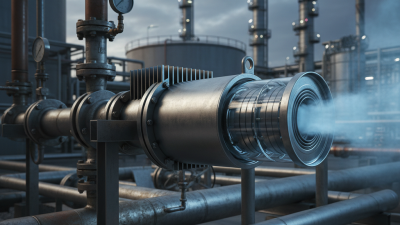
How do they work? The device typically has a series of mesh or plate structures. When a flame approaches, the mesh cools the gases, extinguishing the flame. This allows the device to protect surrounding areas from fire hazards. Yet, the design must be precise. If the mesh size is incorrect, danger remains. Sometimes, improper installation can lead to failures in safety.
Deflagration flame arresters come in various shapes and styles. Some feature intricate designs, while others are simpler. Each design caters to specific applications and environments. However, not all arresters are created equal. Maintenance is crucial. Without regular checks, their effectiveness can diminish. Users must remain vigilant to ensure these devices work properly.
Principle of Operation for Flame Arresters
Deflagration type flame arresters are safety devices. They prevent flames from spreading in gas or vapor mixtures. Their operation is based on temperature and pressure changes. When flames approach the arrester, the heat expands. This design allows flames to be cooled before they exit.
The core principle is cooling. The device uses a mix of materials to absorb heat. The flame's speed is slower than the speed of sound. This ensures that the flame is smothered and contained. They can be effective in many industrial applications. However, not all configurations will work in every situation.
Tips:
- Ensure regular maintenance of flame arresters.
- Inspect them for any signs of wear or damage.
- Proper installation is crucial for performance.
- Always consult professionals for installation guidelines.
- Remember, safety should be the priority.
- Every location might have unique conditions. Adjustments may be necessary.
- Test systems regularly to ensure they function correctly.
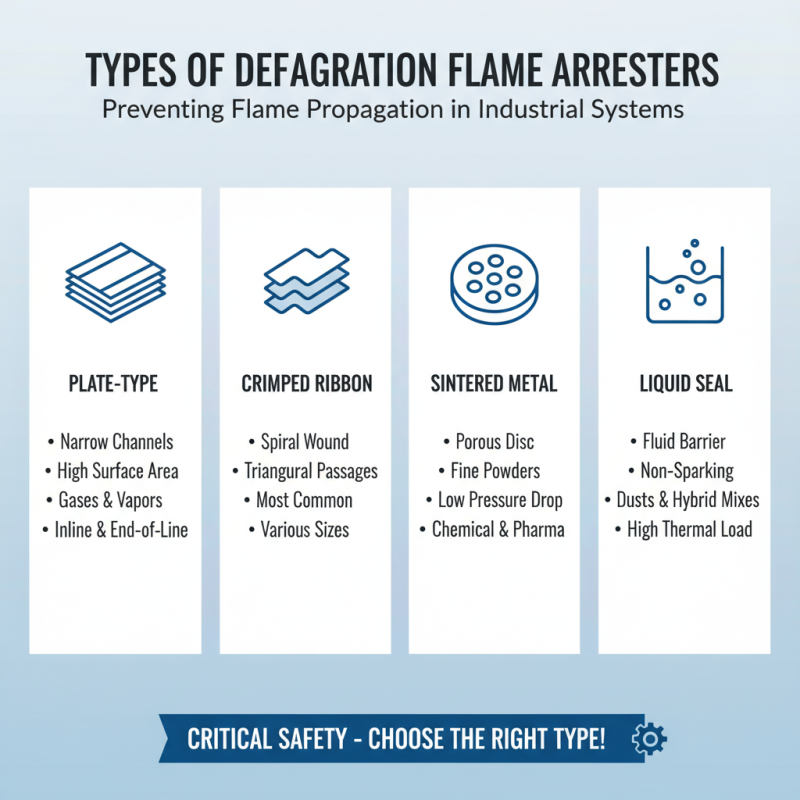
Types of Deflagration Flame Arresters
Deflagration flame arresters are critical safety devices. They prevent flames from spreading in pipelines and vessels. There are several types of these arresters, each designed for specific applications. Understanding these types helps in choosing the right one for your needs.
The simplest type is the stop-type arrester. It consists of a barrier that the flame cannot pass through. This design relies on the principle of cooling the flame. Another common type is the matrix arrester. It has a series of interconnected passages. As the flame passes through, it slows down and cools, preventing it from reaching the other side.
In addition to these, there are also inline and end-of-line arresters. Inline arresters are installed within the piping system. They are ideal for long runs of horizontal pipelines. End-of-line arresters, on the other hand, are placed at the discharge end. They protect against backflow flames. It's essential to regularly check these devices, as neglect can lead to failures.
Applications of Deflagration Type Flame Arresters
Deflagration type flame arresters play a crucial role in ensuring safety in various industrial applications. These devices are designed to prevent the propagation of deflagration flames through pipelines and vessels. They are essential in industries such as oil and gas, chemical manufacturing, and food processing. A well-established report indicates that the global flame arresters market is projected to reach $1.6 billion by 2026, driven by growing safety regulations.
In the oil and gas sector, flame arresters are vital. They ensure that flammable gases are contained during processing. During a deflagration event, these devices absorb heat and cool down the flame. They can limit the explosion risk in storage tanks and transportation pipelines.
**Tips:** Regular maintenance and inspections are key. Failing to check your flame arresters can lead to dangerous situations. Ideally, have professionals examine these devices at least once a year.
The food processing industry also benefits from deflagration type flame arresters. As dust and vapors from grains can combust, these safety devices help in managing such risks. The increasing focus on workplace safety has intensified the demand for these systems. However, not all facilities prioritize proper installation. Inadequate setups can lead to failures during critical situations.
**Tips:** Train staff on the importance of flame arresters. Awareness can help prevent potential disasters. A small adjustment in procedures can make a significant difference.
What Are Deflagration Type Flame Arresters and How Do They Work? - Applications of Deflagration Type Flame Arresters
| Application |
Industry |
Functionality |
Key Benefits |
| Chemical Processing |
Chemical |
Preventing flame propagation in reactions |
Enhanced safety, explosion prevention |
| Oil & Gas Handling |
Oil and Gas |
Protecting equipment from backflash |
Reduced risk of fires, operational continuity |
| Waste Gas Management |
Waste Management |
Controlling emissions of combustible gases |
Regulatory compliance, environmental safety |
| Storage Tank Venting |
Petrochemical |
Preventing ignition of vapors during venting |
Protection against explosion risks, safe operations |
| Pharmaceutical Manufacturing |
Pharmaceutical |
Safety in processes involving flammable solvents |
Product integrity, safety assurance |
Maintenance and Safety Considerations for Flame Arresters
Flame arresters are critical safety devices in various industries. They prevent flames from traveling back into a system. The proper maintenance of these devices is essential to ensure their effectiveness. Regular inspections should occur at intervals based on usage. A visual check can identify blockages or signs of wear.
Cleaning is vital. Dust and debris can accumulate, reducing performance. Use appropriate cleaning methods specifically designed for flame arresters. Some operators overlook this. They might think a simple wipe-down is enough. However, thorough cleaning is necessary to keep the device functioning well.
Training personnel is also important. Staff should understand how to properly install and maintain flame arresters. Neglect can lead to catastrophic failures. Regular drills and knowledge refreshers can mitigate risks. They should know when to report potential issues. Clear communication can prevent accidents. Ultimately, ongoing maintenance and safety protocols are crucial for flame arresters to perform in high-risk areas.