What is an Emergency Relief Valve and How Does It Work?
An Emergency Relief Valve (ERV) is critical for industrial safety. This valve safeguards equipment by releasing excess pressure within systems. According to industry expert Dr. Jane Smith, "An Emergency Relief Valve is your last line of defense against catastrophic failures."
Understanding how an ERV operates is essential for engineers and operators. It automatically opens at a predetermined pressure to mitigate risks. The design choices made for an Emergency Relief Valve can impact its reliability. Regular maintenance and testing are imperative; even minor lapses can lead to serious consequences.
Too often, the focus is on production over safety. Many assume their systems are foolproof. This belief can be dangerous. Engineers must continuously reflect on the integrity of their Emergency Relief Valve systems. It's not just about compliance; it's about the safety of people and the environment.
What is an Emergency Relief Valve and Its Purpose in Systems
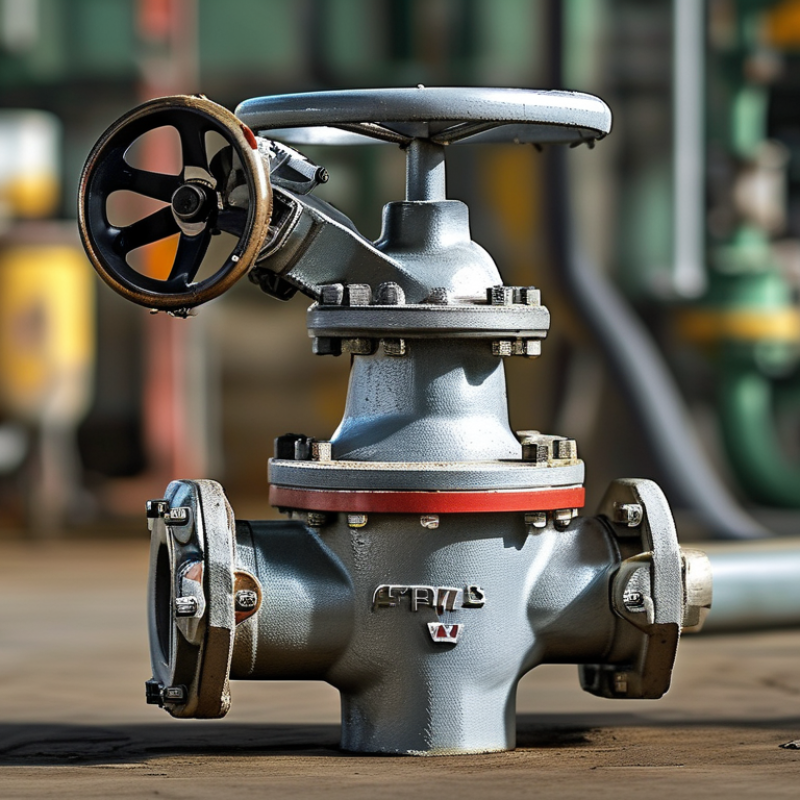
An emergency relief valve (ERV) plays a critical role in various systems, such as industrial piping and pressure vessels. Its primary purpose is to prevent overpressure situations. When the pressure exceeds a certain threshold, the valve opens, allowing gas or liquid to escape. This action protects equipment and ensures the safety of personnel. The design of the ERV is crucial; it must respond quickly and reliably to changes in pressure.
The conditions leading to the activation of an ERV can vary significantly. For instance, a sudden temperature increase can create excess pressure in a closed system. This might occur in processes like chemical manufacturing or steam generation. However, not all ERVs activate perfectly under stress, leading to potential failures. Regular testing and maintenance are essential to ensure these valves function correctly when needed. It is vital that operators understand the limitations and potential flaws in these systems, as they rely on the ERV for safety.
Despite the importance of emergency relief valves, their effectiveness often depends on surrounding systems. If a valve is poorly designed or improperly installed, the risk to safety increases. Understanding the ERV's role in the greater context of system operations can help teams identify potential hazards. Awareness and proactive measures ultimately enhance reliability and foster a culture of safety.
What is an Emergency Relief Valve and How Does It Work?
| Dimension |
Description |
| Definition |
An emergency relief valve is a safety device designed to release pressure from a system to prevent failure or explosion. |
| Purpose |
To maintain system safety by preventing overpressure scenarios during regular operation or malfunction. |
| Active Components |
Spring-loaded mechanism, pressure sensing element, and discharge port. |
| Operation Mode |
Automatically opens when pressure exceeds a predetermined set-point, allowing fluid or gas to escape. |
| Installation Locations |
Commonly found in pipelines, tanks, and pressure vessels across various industries. |
| Maintenance |
Regular inspections are necessary to ensure proper functionality and prevent corrosion or wear. |
| Common Applications |
Used in gas and oil pipelines, steam systems, chemical processing, and other high-pressure environments. |
The Role of Pressure Relief in Preventing Equipment Failure
Pressure relief valves are critical for preventing catastrophic equipment failure. They manage excess pressure by releasing gases or liquids when limits are exceeded. According to the American Society of Mechanical Engineers (ASME), about 70% of pressure-related incidents in process industries are due to inadequate pressure relief systems. This statistic highlights the importance of these safety devices.
In industries like oil and gas, even minor failures can lead to severe consequences. Loss of containment incidents often result from improper pressure management. The Center for Chemical Process Safety reports that over 60% of major accidents stem from equipment failure linked to pressure control issues. Implementing effective pressure relief systems can mitigate such risks. Regular maintenance and testing of these valves are vital for ensuring their reliability.
Yet, many facilities overlook these systems. Insufficient training and lack of awareness contribute to this neglect. It’s essential to educate staff on the importance of pressure relief devices. A proactive approach can enhance safety and minimize failures. Companies must prioritize investment in both technology and training to protect their operations and personnel.
Key Components of Emergency Relief Valves and Their Functions
Emergency relief valves (ERVs) are critical in many industrial applications. They prevent overpressure conditions that could lead to catastrophic failures. Understanding their key components is essential for ensuring safety and efficiency.
One primary component of an ERV is the valve body. This part houses other components and allows fluid passage when pressure exceeds safe limits. Typically made from durable materials, it withstands high pressure and temperature. Another vital part is the actuator, which opens the valve automatically when excess pressure builds up. Data from industry reports suggest that a unsealed actuator can respond within milliseconds, enhancing safety.
The spring mechanism is equally important. It determines the pressure at which the valve opens. Different applications may require varying spring strengths to handle specific pressure levels. Corrosion is a common issue affecting springs, leading to potential malfunctions. Regular inspections and maintenance are crucial for addressing this issue. Without proper care, the reliability of the ERV diminishes, posing risks to operations. Understanding these components aids in better management of safety systems in industries.
Industry Standards and Regulations Governing Emergency Relief Valves
Emergency relief valves (ERVs) play a crucial role in safety systems across various industries. They ensure the safe release of excess pressure that may build up in equipment like tanks and piping. Proper understanding of industry standards is vital for effective implementation. Organizations like ASME and API provide specific guidelines governing ERV design and testing. Compliance with these standards is not optional; it's essential for preventing catastrophic failures.
When selecting an ERV, consider the design pressure and flow capacity. Understanding the operational environment can help identify the right type of valve. Regular inspection and testing are necessary to maintain functionality. Sometimes, the placement of an ERV is overlooked, leading to ineffective pressure control. Proper training for operators on compliance with regulations can mitigate these risks.
Voltage ratings, temperature limitations, and material compatibility are critical factors in maintaining valve integrity. Always consult relevant codes during installation and maintenance. Many facilities neglect periodic reviews of their emergency systems. Staying updated with changes in regulations protects both personnel and assets. Creating a culture of safety awareness can lead to a more proactive approach in adhering to industry standards.
Common Applications of Emergency Relief Valves in Various Industries
Emergency relief valves are critical components in many industries. They protect systems from excessive pressure by automatically releasing fluids when the pressure exceeds safe levels. This function is vital in sectors like oil and gas, chemical processing, and power generation. In these applications, the valves prevent accidents and equipment damage, ensuring operational safety.
In the oil and gas industry, for instance, these valves safeguard pipelines from dangerous overpressure situations. A malfunctioning valve can lead to catastrophic failures. These events might result in environmental disasters or loss of life. In chemical plants, emergency relief valves handle volatile substances, reducing risks associated with chemical reactions. They help maintain stable conditions in storage vessels and reactors.
However, while emergency relief valves are essential, they require regular maintenance. Neglecting upkeep can lead to failures during critical moments. Operators must be vigilant in monitoring the performance of these valves. Regular inspections and timely replacements can enhance reliability and efficiency. Recognizing potential weaknesses in emergency systems is key to improving overall safety standards in various fields.