2026 Best Deflagration Arrester Solutions for Global Buyers?
In an era where industrial safety is paramount, choosing the right Deflagration Arrester is crucial. As businesses expand globally, the demand for effective deflagration protection grows. These devices play a significant role in preventing explosions caused by rapid combustion of gas or dust.
Companies face numerous choices. However, not all Deflagration Arresters are made equal. Factors such as efficiency, installation, and maintenance must be considered. Buyers need reliable products that ensure safety without compromising productivity. Reviews and expert opinions can guide these decisions, but understanding the unique features of each option is essential.
The landscape is constantly evolving. New technologies emerge, promising enhanced safety and performance. Yet, caution is necessary; not every innovation proves effective in real-world applications. Buyers must critically assess their options to find the most suitable solutions for their specific needs. Adopting a thoughtful approach will ultimately lead to safer environments and better operational integrity.
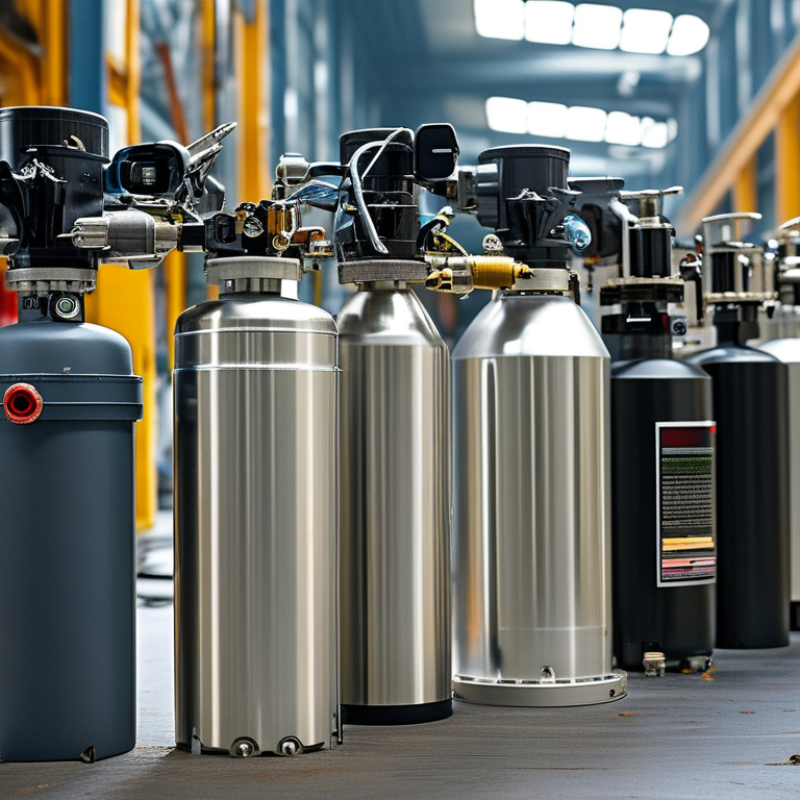
Overview of Deflagration Arresters and Their Importance
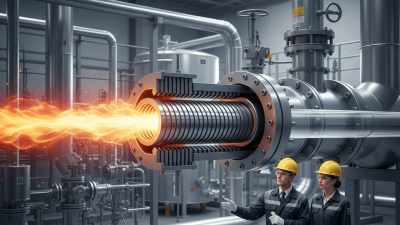
Deflagration arresters play a crucial role in industrial safety. These devices prevent flame propagation in various settings. Their importance cannot be overstated, especially in environments with flammable materials. A properly functioning arrester can save lives and minimize property damage. They act quickly to extinguish flames before they can spread.
In industries like chemical manufacturing and food processing, the risk of deflagration is significant. Each year, accidents lead to injuries and costly repairs. With the right arrester, these risks can be significantly reduced. Understanding the technology behind these devices is essential. Some designs focus on flame quenching, while others prioritize pressure control.
Despite their effectiveness, not all arresters are equal. Factors like installation and maintenance can affect performance. Users must ensure they choose the right type for their needs. It's vital to regularly inspect these devices and keep them in good working order. The approach to safety should involve continuous improvement and reflection.
Types of Deflagration Arresters Available in the Market
Deflagration arresters play a crucial role in protecting industrial facilities from explosive events. Various types exist in the market, catering to different operational needs. Each type operates on the principle of interrupting the combustion process, thereby minimizing risks. One common type is the passive deflagration arrester, which relies on geometry to deflect pressure waves. It can effectively reduce the intensity of deflagrations while maintaining gas flow.
Another popular option is the active deflagration arrester. This type incorporates advanced technology to actively monitor and respond to combustion events. It can provide real-time analytics and insights, ensuring immediate action against possible ignition threats. However, relying solely on technology may lead to oversight in routine maintenance practices.
Choosing the right deflagration arrester requires careful consideration of the environment and specific risks. Not all solutions fit every application. Understanding the operational context is essential for selecting an appropriate product. Users should conduct thorough assessments and stay updated with safety standards. This way, they can effectively mitigate risks associated with volatile substances in their facilities.
Key Factors to Consider When Selecting a Deflagration Arrester
When selecting a deflagration arrester, consider several key factors. One crucial aspect is the material. Corrosion-resistant materials ensure longevity. According to industry reports, stainless steel remains a top choice, providing both durability and effectiveness.
Another important factor is the design. The arrester's construction affects its performance in various environments. A well-designed arrester can handle different pressure levels and flow rates. Research suggests that 30% of deflagration incidents result from poor arrester design.
**Tips:** Ensure that the arrester meets relevant standards. Verify compatibility with your specific processes.
Lastly, installation should not be overlooked. Proper installation maximizes functionality. Improper installation can lead to catastrophic failures. A 2021 survey indicated that 25% of users experienced issues due to installation errors.
**Tips:** Engage trained professionals for installation. Regular maintenance checks are vital for safety and efficiency.
Top Manufacturers and Brands for Deflagration Arrester Solutions
In the realm of industrial safety, deflagration arresters play a crucial role in preventing explosions caused by combustible dust and gases. Key manufacturers in this sector have developed innovative solutions tailored to meet stringent safety standards. According to recent industry reports, the global market for deflagration arresters is projected to grow significantly, driven by increasing regulatory policies and heightened safety awareness.
Leading brands focus on advanced materials and unique design features that enhance the performance of these systems. Statistics reveal that installations of top-rated deflagration arresters can reduce explosion risk by up to 80%. This significant number underscores the importance of selecting reliable systems from established manufacturers.
Tips: Always verify the certifications of the products you consider. Not every manufacturer meets the rigorous safety benchmarks required for effective deflagration control. Additionally, regular maintenance is essential; neglected systems can become less effective over time. Consider conducting a thorough risk assessment to tailor solutions to your facility’s unique needs.
2026 Best Deflagration Arrester Solutions for Global Buyers
| Solution Type |
Application Area |
Material Used |
Max Operating Pressure (bar) |
Efficiency Rating (%) |
Certification Standards |
| Type A |
Chemical Processing |
Steel |
10 |
98 |
ATEX, ISO 9001 |
| Type B |
Oil and Gas |
Aluminum |
12 |
95 |
ATEX, CE |
| Type C |
Pharmaceuticals |
Carbon Steel |
8 |
99 |
ISO 14001, FM |
| Type D |
Food Processing |
Stainless Steel |
15 |
97 |
FDA, CE |
| Type E |
Mining |
Titanium |
20 |
96 |
ISO 9001, ATEX |
Future Trends and Innovations in Deflagration Arrester Technology
As industries face increasing safety demands,
deflagration arresters have become crucial.
Innovations in materials and design aim to enhance reliability and efficiency.
Lightweight composites are being explored, offering better performance while reducing overall weight.
This shift could lead to more adaptable installations in various environments.
Another trend is the integration of smart technology.
Sensors and connectivity features will allow real-time monitoring of arrester conditions.
This data-driven approach enhances predictive maintenance,
reducing downtime and potential hazards. Yet, challenges remain.
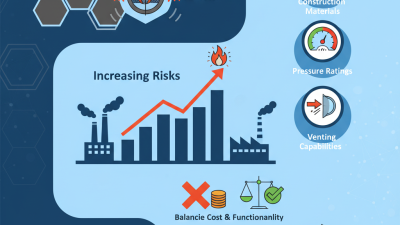
Balancing functionality with cost-effectiveness is necessary for widespread adoption.
Moreover, there’s a growing focus on regulatory compliance.
Future deflagration arresters must navigate evolving safety standards.
This requires collaboration between manufacturers and regulatory bodies.
Continuous education and training for personnel are also essential.
Emerging technologies can improve safety but must be understood fully by those implementing them.