Top 10 Best Deflagration Arresters for Industrial Safety?
In industrial settings, safety is paramount. Deflagration arresters play a crucial role in preventing explosive events caused by fast-burning gases. According to a recent report by the International Society for Safety Professionals, effective use of deflagration arresters can reduce explosion risks by up to 45%. This statistic underscores the necessity of selecting the best deflagration arresters for operational safety.
Dr. Emily Thompson, an expert in industrial safety, emphasizes this point: "Choosing the right deflagration arrester can make the difference between disaster and safe operation." Companies often overlook the importance of quality in these devices. This oversight can lead to devastating consequences, highlighting the need for a well-informed decision-making process.
Industrial accidents often stem from inadequate safety measures. A reliable deflagration arrester can mitigate these risks significantly. It is essential for industries to continually assess their safety equipment. Attention to detail and understanding the limitations of current technology can lead to better outcomes. Thus, knowing the best options available is crucial for sustaining safety in demanding environments.

What are Deflagration Arresters and Their Importance in Industrial Safety?
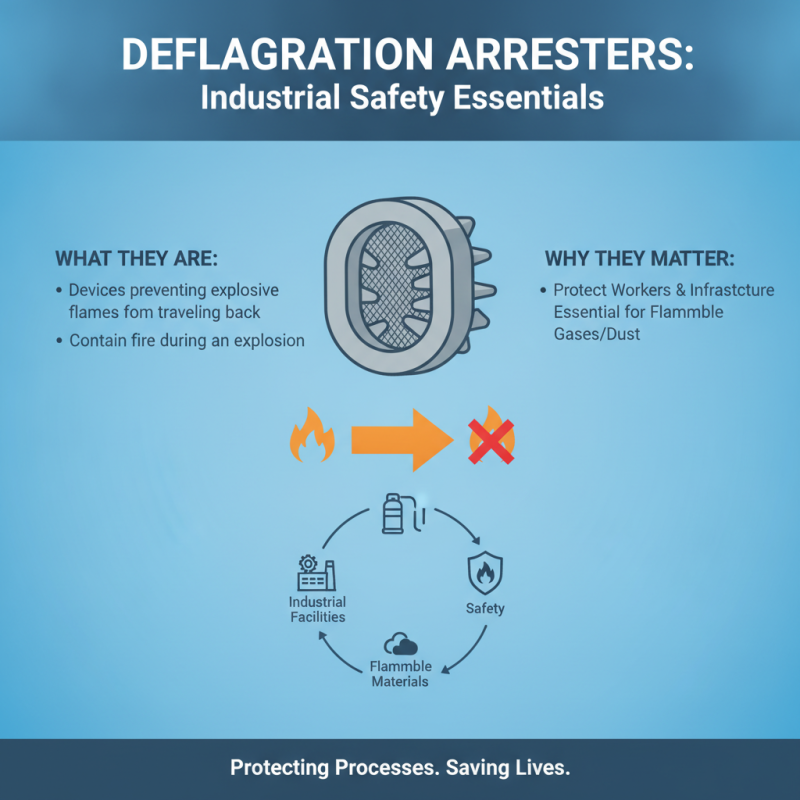
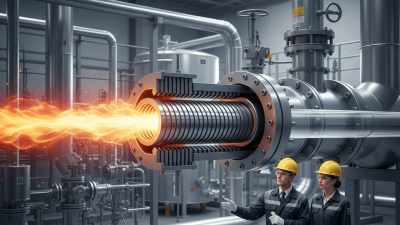
Deflagration arresters play a critical role in industrial safety. These devices help prevent explosive flames from traveling back into process equipment. They are essential in facilities that handle flammable gases or dust. When an explosion occurs, arresters keep the fire contained. This helps protect both workers and infrastructure.
In industries like chemical manufacturing, proper installation and maintenance of deflagration arresters are vital. Operators must understand how these devices work. They should be inspected regularly to ensure effectiveness. Ignoring maintenance can lead to severe accidents. Workers should receive training on their operation and limitations. Understanding the risks associated with deflagration is also crucial.
Moreover, not all setups require deflagration arresters. Each facility needs a risk assessment to determine necessity. This careful evaluation ensures resources are allocated properly. Misjudging the risks can result in inadequate safety measures. It’s important to reflect on past incidents to improve safety strategies. Implementing a culture of safety and awareness is essential for preventing accidents.
Key Features to Consider When Selecting Deflagration Arresters
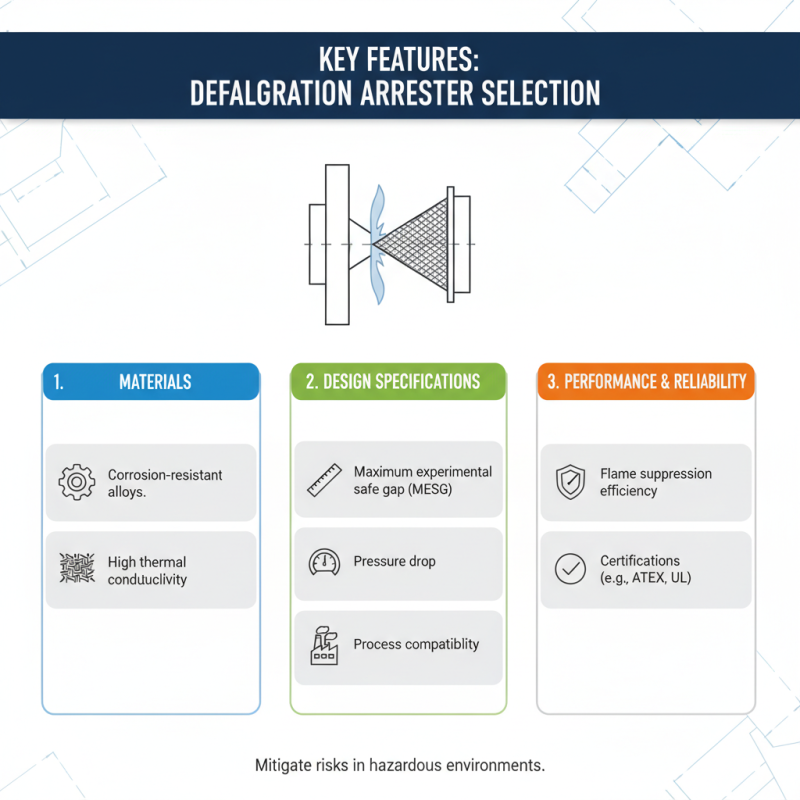
When selecting deflagration arresters for industrial safety, consider several key features. These devices act as essential barriers against explosive pressure waves. Their performance depends on the materials used and their design specifications. High-quality arresters can effectively mitigate risks, reducing the chance of accidents in hazardous environments.
One critical aspect is the response time; faster mechanisms provide better protection. Industry reports suggest that devices with a reaction time of under 0.1 seconds are more reliable. Additionally, temperature resistance is vital. Arresters should withstand high levels of heat without failing. A typical failure rate for subpar models is about 15%, highlighting the importance of quality. Furthermore, ensure that devices are compatible with various gases and dust types in your facility.
Another consideration is maintenance and inspection protocols. Regular checks are crucial for optimal performance. A recent survey indicated that over 25% of industrial facilities overlook this aspect. This can lead to increased downtime and potential hazards. Training personnel in correct operation can enhance safety measures. Ultimately, understanding these features can help improve workplace safety and compliance with industry standards.
Top 10 Deflagration Arresters: A Comprehensive Overview
Deflagration arresters are crucial for industrial safety. They mitigate the risk of flames and pressure waves generated during deflagrations. These devices can prevent catastrophic incidents if implemented correctly. Each type serves specific applications, whether in chemical processes or dust handling.
Choosing the right arrester requires expertise. Consider factors like pressure rating, temperature, and installation environment. A thorough analysis ensures reliable protection. However, improper selection can lead to vulnerabilities. Regular maintenance and testing are essential to guarantee functionality. It’s important to inspect these systems frequently.
In some cases, organizations rush their implementation. This haste can result in operational inefficiencies. Awareness of guidelines and industry standards is vital. A proper understanding fosters better decision-making. Continuous education will enhance safety culture in industries relying on deflagration arresters.
Performance Comparison: Effectiveness of Each Deflagration Arrester
When it comes to industrial safety, deflagration arresters play a crucial role. These devices help prevent explosive deflagrations from spreading within a facility. Each type of arrester has its unique features and effectiveness. Performance comparison reveals significant differences that can impact safety protocols.
Some deflagration arresters offer better flow capacity than others. This attribute can directly affect their ability to handle sudden pressure changes. Others may excel in terms of durability, crucial for environments with harsh conditions. Evaluating these performance metrics is essential for industries at risk of explosive incidents.
Selecting the right arrester requires careful consideration. Misunderstanding the specifications can lead to inadequate protection. Not every design suits all applications. This can be a glaring oversight in many industries. The effectiveness of an arrester hinges on its compatibility with specific processes and materials. Assessing operational needs is vital for optimal safety.
Maintenance and Inspection Practices for Deflagration Arresters
Regular maintenance of deflagration arresters is crucial for industrial safety. Inspections should be conducted frequently to ensure they are functioning correctly. Checking for visible wear and tear is essential. Corrosion can compromise the integrity of the arresters. Regular cleaning can increase their effectiveness. Dust and debris can obstruct their mechanisms.
It’s important to document each inspection. This creates a reliable history for future reference. Staff training on what to look for during inspections is also vital. They should be knowledgeable about the operation of each arrester. Even small issues can escalate quickly if not addressed. Routine checks can prevent costly accidents.
Consider implementing a reporting system for issues. Encourage workers to report signs of malfunction promptly. This proactive approach allows for quicker response times. Evaluation of these practices should occur regularly. Reflection on what works and what doesn’t is key to improving safety protocols. Ensuring that best practices are continuously evolving helps maintain a safe industrial environment.
Top 10 Best Deflagration Arresters for Industrial Safety
This chart illustrates the effectiveness ratings of the top ten deflagration arresters used in industrial safety applications. The ratings reflect their performance in preventing deflagration incidents, ensuring a safer working environment.