Why You Need a Flame Arrestor for Industrial Safety?
Industrial safety is a critical concern across various sectors. One essential component in this domain is the flame arrestor. A flame arrestor helps prevent the spread of fire or explosions in hazardous environments. It is vital in settings where flammable vapors may exist.
Flame arrestors come in various designs and sizes. They work by extinguishing flames and preventing them from traveling back to their source. This function significantly reduces the risk of catastrophic events. Implementing these devices requires attention to detail and proper installation.
Despite their importance, many facilities overlook the necessity of flame arrestors. This can lead to severe consequences. Hence, organizations must evaluate their safety protocols diligently. Investing in flame arrestors often proves to be a small price for extensive safety benefits. Properly used, these devices can save lives and protect valuable assets.
Understanding the Definition and Function of Flame Arrestors
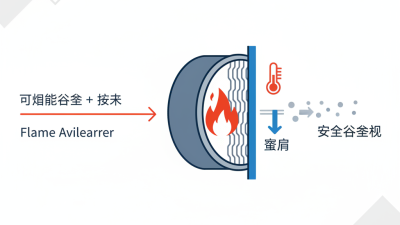
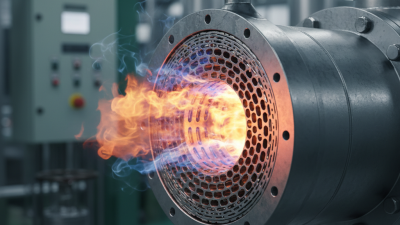
A flame arrestor is a critical safety device, designed to prevent flames from traveling back into equipment. It serves as a barrier, allowing gases to flow while stopping flames. In industrial settings, where flammable gases and vapors are common, the function of a flame arrestor cannot be overstated.
According to the National Fire Protection Association (NFPA), between 2014 and 2018, industrial fires caused over $2 billion in damages annually. Implementing flame arrestors can significantly reduce these risks. The device often contains a mesh or baffle that cools the flame as it tries to propagate, effectively extinguishing it before it can cause harm.
Tips: Regular maintenance is essential. Inspect flame arrestors every six months. Ensure they are free from corrosion and blockage. Also, consider the specific environment. Different applications require different types of arrestors. In some cases, lack of proper installation can lead to failure. Always consult safety guidelines during installation.
Moreover, it’s important to remember that not all flame arrestors are the same. Each type has unique specifications. Manufacturers may provide particular recommendations for environments and applications. Failures can occur if devices are misapplied. Thus, understanding their operational limits is crucial for safety.
Why You Need a Flame Arrestor for Industrial Safety?
| Feature |
Description |
Importance |
| Definition |
A device that prevents flames from propagating back into the system. |
Crucial for preventing explosions in industrial settings. |
| Function |
Allows gas to pass while blocking flames. |
Ensures safety by mitigating fire hazards. |
| Applications |
Used in storage tanks, pipelines, and vent systems. |
Vital for industries like petrochemical and manufacturing. |
| Regulatory Standards |
Complies with industry safety codes and standards. |
Ensures compliance with safety regulations. |
| Maintenance |
Regular inspection and maintenance are required for effectiveness. |
Maintains safety and functionality over time. |
The Importance of Flame Arrestors in Industrial Safety Systems
Flame arrestors play a vital role in industrial safety systems. They act as barriers to prevent flames from traveling through pipes or vents. This simple yet effective device can save lives and protect equipment. During an explosion or fire, flames can spread rapidly. Flame arrestors help contain and mitigate these dangers.
Industries dealing with flammable gases or liquids must prioritize these components. They are often installed in vent lines or exhaust stacks. A well-placed flame arrestor can significantly reduce the risk of catastrophic events. However, not all systems are equipped with this essential safety feature. Regular assessments are necessary to ensure their effectiveness.
Many facilities may overlook maintenance and inspection routines. This neglect can lead to failures during critical moments. In some cases, employees are not fully informed about the technology. Proper training and awareness are crucial for optimal performance. Integrating flame arrestors into industrial safety measures is not just a precaution; it is an essential investment in workplace safety.
Impact of Flame Arrestors on Industrial Safety
This chart illustrates the various benefits of flame arrestors in industrial safety, highlighting their crucial role in preventing explosions, reducing fire risks, ensuring compliance with safety standards, saving costs, and enhancing operational efficiency. Each benefit is represented by a percentage effectiveness based on industry assessments.
Types of Flame Arrestors Used in Various Industries
Flame arrestors play a crucial role in various industries. They prevent flashbacks, protecting facilities and workers. Different types cater to specific applications. Understanding these types is key to ensuring safety.
In the oil and gas sector, one often uses inline flame arrestors. These devices can halt flames traveling through pipelines. They are vital in preventing explosions. For chemical processing, external flame arrestors are common. They are mounted on tanks or vents. Their design helps to dissipate heat and stop flames from spreading.
Tips: Regularly inspect flame arrestors. Look for wear or damage. Ensure they're correctly installed to function effectively. Sometimes, improper maintenance can lead to hazards.
In the pharmaceutical industry, flame arrestors used must have precision engineering. They protect delicate processes and sensitive materials. Ensuring their reliability can prevent catastrophic failures. Poorly maintained equipment can create vulnerabilities.
Always consider the environment where flame arrestors are used. Temperature, pressure, and the type of gases involved matter. Tailoring your choice of flame arrestor can enhance safety significantly.
Factors to Consider When Selecting a Flame Arrestor
Selecting the right flame arrestor is essential for maintaining industrial safety. It is crucial to consider the type of flammable materials involved in your processes. Each material has unique ignition and combustion properties. These properties influence the appropriate design and specification of the flame arrestor.
Next, assess the environment where the flame arrestor will be installed. Factors such as temperature, pressure, and potential for contaminants can impact performance. A robust flame arrestor must withstand these conditions without fail. It's vital to review product testing data from reliable sources. This helps ensure the arrestor meets safety standards.
Don’t overlook the maintenance needs of the equipment. Regular inspection and upkeep can greatly affect its effectiveness. Neglecting proper care can lead to overlooked issues. This may result in unexpected shutdowns or hazards. Always evaluate the balance between cost and reliability when making your selection. A cheaper option might not provide the necessary protection in the long run.
Maintenance and Inspection Practices for Optimal Flame Arrestor Performance
Proper maintenance and regular inspection practices are crucial for optimal flame arrestor performance in industrial settings. These devices play a vital role in preventing the spread of flames and explosions. Regular checks not only ensure functionality but also identify potential issues before they escalate. Technicians should examine seals and connections often. Wear and tear can compromise the effectiveness of flame arrestors.
Visual inspections should be part of routine upkeep. Look for signs of corrosion or physical damage. A small crack can lead to significant risks. Cleaning flame arrestors is another essential aspect of maintenance. Dust and debris can hinder their performance. Establishing a clear cleaning schedule helps keep arrestors in top condition.
Documentation of every inspection is important. This practice offers a reliable history of maintenance actions taken. It also aids in compliance with safety standards. Engaging with trained personnel for these tasks enhances reliability. Seeking expert opinions can uncover blind spots in maintenance practices. Inadequate attention to these aspects might create vulnerabilities in safety systems.