Top 10 Inline Flame Arrestors for Global Buyers 2026?
In the realm of industrial safety, the Inline Flame Arrestor plays a critical role. These devices are essential for preventing explosive flames from traveling through pipelines and equipment. With increasing global regulations and safety standards, 2026 is shaping up to be a pivotal year for these protective mechanisms. Buyers must now navigate various options to find the best solutions for their facilities.
As industries evolve, so do the technologies behind Inline Flame Arrestors. Market leaders are investing in innovations, promising better efficiency and reliability. However, not every product on the market meets the promised standards. Inexperienced buyers might overlook key specifications, leading to inadequate protection. Attention to detail is critical in choosing the right model for specific applications.
While the list of top Inline Flame Arrestors offers valuable guidance, it's important to engage with trusted sources. The safety of personnel and facilities depends on informed decisions. With a clear understanding of needs and careful evaluation of options, buyers can secure optimal flame protection. This investment is not just a regulatory requirement; it is a commitment to operational safety and integrity in any industry.
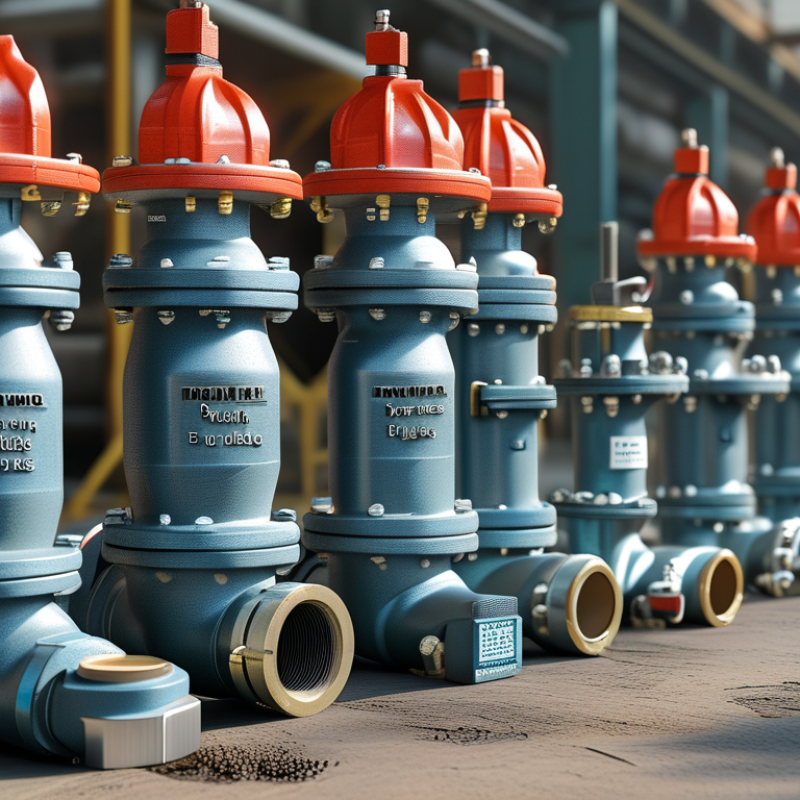
Overview of Inline Flame Arrestors and Their Importance
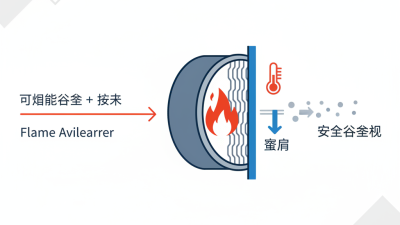
Inline flame arrestors play a crucial role in preventing the propagation of flames in industrial environments. These devices are essential in various sectors, including oil and gas, chemicals, and pharmaceuticals. According to the global flame arrestor market analysis report, the demand for these safety devices is expected to increase by 7.5% annually until 2026. This reflects a growing awareness of fire hazards in industrial applications.
The importance of inline flame arrestors cannot be overstated. They act as barriers, stopping flames from traveling back through pipelines, thereby minimizing explosive risks. A study by the National Fire Protection Association indicated that the proper use of flame arrestors can reduce fire-related incidents by up to 40%. These statistics highlight their vital role in protecting both personnel and equipment alike.
**Tip:** Regularly inspect and maintain your inline flame arrestors to ensure optimal performance. This can greatly enhance safety and reliability.
Additionally, the design of flame arrestors can vary based on specific applications. It is essential to select the appropriate type for your needs. Not all models cater to the same environment. Exploring different materials and configurations is key in achieving maximum safety. Understanding this aspect can help improve fire safety protocols in your operations.
**Tip:** Consult with safety engineers to select the right flame arrestor for your system. Their expertise can guide you in making informed decisions.
Key Features to Consider When Selecting Inline Flame Arrestors
When selecting inline flame arrestors, several key features demand careful consideration. The design and construction material play a crucial role in ensuring effectiveness. Stainless steel is commonly favored for its durability and resistance to corrosion. Additionally, the arrestor should have a high resistance to thermal shock, maintaining performance under various temperature fluctuations.
Efficiency ratings are essential in determining the right flame arrestor for specific applications. According to industry reports, effective arrestors can reduce flame propagation by up to 98%. This reduction is vital for safety, especially in industries handling flammable gases. Always check for compliance with relevant safety standards. Certification from recognized bodies adds to reliability and trust in the product.
**Tips**: Remember, the size of the arrestor must match your piping system. An incorrectly sized arrestor may lead to operational failures. Check the installation requirements thoroughly. Misalignments can compromise safety. Always consult with professionals before finalizing your choice. Doing thorough research is a wise step toward preventing potential hazards in hazardous environments.
Top 10 Inline Flame Arrestors for Global Buyers in 2026
In the dynamic landscape of 2026, inline flame arrestors are more crucial than ever for global buyers. The demand for these safety devices is driven by increasing industrial activities and rising safety standards. According to a recent market research report, the inline flame arrestor market is projected to grow at a CAGR of 5% from 2023 to 2026. This growth reflects the urgent need for reliable safety solutions in industries like oil and gas, chemicals, and pharmaceuticals.
Professionals in the field emphasize the importance of choosing the right inline flame arrestor. The effectiveness of these devices hinges on design and materials. Inadequate specifications can lead to catastrophic failures, highlighting the need for thorough evaluations before purchase. Buyers should ensure compliance with industry standards and consider environmental factors. Incorrectly sized or improperly installed flame arrestors are common pitfalls that can threaten operational safety.
Attention to detail is key. As incidents reveal gaps in safety measures, organizations must reflect on their choices. Continuous improvement is necessary. In a world where safety and efficiency must coexist, selecting top-notch inline flame arrestors will help mitigate risks and enhance overall operational stability.
Comparative Analysis of Leading Brands and Models
When it comes to inline flame arrestors, choosing the right model is crucial for safety and efficiency. A comparative analysis of leading brands reveals significant differences in design and functionality. Factors such as material quality, flow capacity, and maintenance requirements are vital. Some brands incorporate advanced materials that enhance durability, while others may lag behind in performance.
While many models boast impressive specifications, real-world performance can deviate from claims. It’s essential to consider user experiences and expert reviews. Some models might struggle with high flow rates, leading to inefficient operations. Additionally, ease of installation can vary significantly. A cumbersome setup can be a major drawback, impacting overall reliability.
Reliability is paramount in hazardous environments. Some brands have garnered trust through rigorous testing and proven track records. In contrast, others may still be building their reputations. Buyers must weigh factors carefully and seek models that have received industry accolades. This ensures a better safety net for facilities that rely on these devices.
Top 10 Inline Flame Arrestors Comparative Analysis
Future Trends and Innovations in Inline Flame Arrestor Technology
The future of inline flame arrestor technology is set to transform safety standards in various industries. Recent studies indicate a projected growth in the flame arrestor market, expected to reach $1.2 billion by 2026, driven by increasing industrial regulations and safety needs. Innovations focus on improving efficiency and reliability, with new materials and designs enhancing performance under extreme conditions.
One key trend is the integration of smart technology in flame arrestors. This advancement allows for real-time monitoring and diagnostic capabilities. Industry experts note that these features can significantly reduce response times in emergencies. Implementing smart inline flame arrestors could potentially lower the risk of catastrophic failures by up to 30%.
Tips: Always evaluate the compatibility of the material with your system. Experiment with different configurations in controlled settings to identify optimal performance.
Sustainability also plays a key role in future developments. Manufacturers are exploring eco-friendly materials that do not compromise effectiveness. There is an ongoing debate in the industry regarding the balance between sustainability and performance. Further studies are needed to establish reliable standards for these new materials.
Tips: Stay updated on emerging regulations regarding environmental standards. Collaborate with engineers to understand the implications of new technologies. Checking for certifications can lead to better safety choices.
Top 10 Inline Flame Arrestors for Global Buyers 2026
| Model |
Type |
Material |
Max Pressure (psi) |
Temperature Range (°F) |
Applications |
| Model A |
Inline |
Carbon Steel |
150 |
-20 to 150 |
Oil & Gas |
| Model B |
Inline |
Stainless Steel |
250 |
-40 to 180 |
Chemical Processing |
| Model C |
Inline |
Aluminum |
100 |
0 to 200 |
Pharmaceuticals |
| Model D |
Inline |
Carbon Steel |
200 |
-10 to 160 |
Marine |
| Model E |
Inline |
Stainless Steel |
300 |
-50 to 200 |
Petrochemical |
| Model F |
Inline |
Plastic |
70 |
-10 to 120 |
Food and Beverage |
| Model G |
Inline |
Brass |
150 |
-20 to 100 |
HVAC |
| Model H |
Inline |
Polymer |
50 |
0 to 90 |
Agricultural |
| Model I |
Inline |
Stainless Steel |
250 |
-20 to 180 |
Industrial Gas |
| Model J |
Inline |
Cast Iron |
200 |
-10 to 160 |
Mining |