China Top Flame Arresters How to Choose the Best Supplier?
Choosing a reliable supplier for an Arrester Flame requires more than comparing prices. The decision protects storage tanks, processing lines, workers, and business continuity. A suitable supplier should understand flame propagation, pressure behavior, operating temperature, and the chemical properties of your process media. Product selection must match the actual installation.
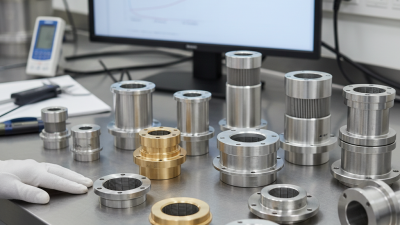
Dr. Sam Mannan, a respected process-safety expert, said, “Safety is not a priority; it is a value.” This principle matters when evaluating Chinese manufacturers. Ask for traceable material records, independent test reports, pressure ratings, and clear maintenance instructions. Examine the arrester’s housing, flame cell, gasket, and connection size. A stainless-steel unit may suit corrosive vapors, while another application may require a different alloy. Small details matter.
Supplier experience should be visible in real projects, not only in polished brochures. Request drawings, inspection procedures, delivery records, and technical responses from qualified engineers. Confirm whether the supplier can support sizing, installation, replacement parts, and field troubleshooting. A low quotation can become expensive after repeated shutdowns or unsuitable equipment. That risk is easy to underestimate.
No checklist is perfect. I would still question every assumption, especially when data is incomplete. Some suppliers may communicate confidently but explain little. That is a warning sign. The best partner combines tested Arrester Flame products, practical engineering judgment, consistent documentation, and honest limitations. This guide will examine those factors and help buyers compare suppliers with greater confidence.
What Are Flame Arresters and Where Are They Used?
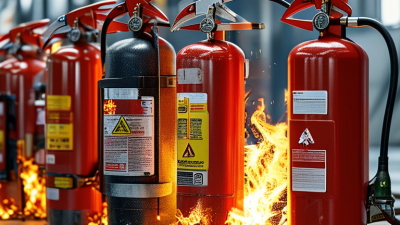
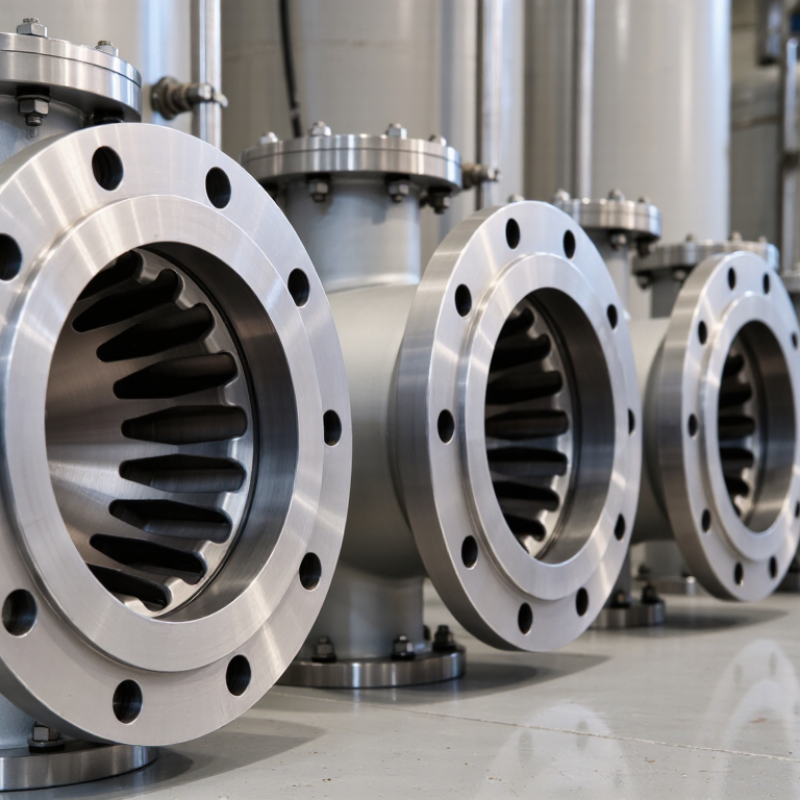
Flame arresters are safety devices that stop a flame from traveling through a pipe, vent, or process connection. They do this by removing heat through narrow metal passages. The flame temperature falls below its ignition point. The fire stops there.
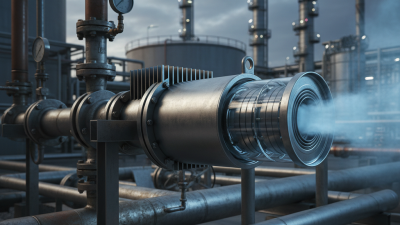
These devices are used on storage tanks, solvent vessels, fuel-gas lines, biogas systems, and vapor recovery equipment. They may be installed at the tank vent, pipeline end, or between process units. An end-of-line arrester protects against outside ignition. An in-line model controls flame movement inside connected equipment. The correct type depends on gas composition, operating temperature, pressure, flow rate, and possible flame speed. It is not a pressure-relief valve.
Supplier evaluation requires more than checking price. Ask for verified test data, material certificates, sizing calculations, and maintenance instructions. The supplier should understand deflagration and detonation risks, not simply sell a standard housing. Confirm compatibility with the medium and review applicable standards, such as ISO 16852, with a qualified safety engineer. Field inspections should check blocked elements, corrosion, loose fasteners, and incorrect installation direction.
A common mistake is choosing by pipe diameter alone. That can create dangerous pressure loss or poor protection. A clean-looking unit may still be unsuitable. Flame arresters also have limits; they cannot correct every process hazard. Good decisions need updated operating data, independent technical review, and honest discussion of uncertainty. Small details matter.
Which Technical Standards Should a Flame Arrester Meet?
Choosing a flame arrester supplier starts with the test standard, not the catalogue price.
ISO 16852 specifies performance requirements, test methods, and limits of use for flame arresters. It covers deflagration, detonation, endurance burning, and pressure-related behavior. Ask for complete test conditions. A vague certificate is not enough.
For petroleum and chemical vapor systems, API Standard 2028 provides recognized guidance for vapor-control applications. IEC 60079-10-1 supports hazardous-area classification, while IEC 60079-14 addresses equipment selection and installation. These documents serve different purposes. They should not be treated as interchangeable. The supplier should state the tested gas group, maximum experimental safe gap, pressure rating, temperature rating, and allowable flow.
Independent evidence matters. A U.S. Chemical Safety Board investigation into a 2005 refinery explosion recorded 15 fatalities and 180 injuries, showing how weak process controls can amplify one failure. A flame arrester cannot correct poor vent sizing, blocked drains, or incorrect installation. Request endurance-burning results, detonation-test records, material certificates, inspection procedures, and traceable serial numbers. Field experience suggests maintenance details often decide performance. Still, I would question any supplier promising universal protection. Vapor composition changes. So does risk. Select a supplier that matches each device to your actual gas, pressure, temperature, and piping layout.
China Top Flame Arresters: How to Choose the Best Supplier?
Which Technical Standards Should a Flame Arrester Meet?
ISO 16852 is the primary international standard specifically covering flame arrester performance requirements, test methods, and limits of use. API 2000, API 521, IEC 60079-1, and NFPA 69 may provide additional requirements depending on the storage tank, process system, hazardous-area classification, and explosion-prevention design. A qualified supplier should clearly identify the applicable edition, test conditions, pressure and temperature limits, and certification basis.
Reference editions shown: ISO 16852:2016, API Standard 2000 8th Edition:2014, API Recommended Practice 521 6th Edition:2014, IEC 60079-1:2014, and NFPA 69:2024.
How to Compare China’s Top Flame Arrester Suppliers
How to Compare China’s Top Flame Arrester Suppliers
Comparing China’s top flame arrester suppliers requires more than checking price. A 2024 market report by MarketsandMarkets projects the global flame arrester market to grow at roughly 6% annually in the coming years. This growth reflects stricter process safety expectations and expanding chemical production. However, market growth does not prove supplier reliability.
Request test records based on ISO 16852, including flame propagation distance, pressure rating, and operating temperature. Compare stainless steel grades, element design, connection standards, and pressure-drop data. A serious supplier should provide traceable material certificates and inspection records. Ask for application experience with tanks, vents, and process pipelines. Details matter here. The report should match your actual gas group and flow conditions, not a generic catalogue value.
The Global Flame Arresters Market Report by Grand View Research also identifies chemical, oil, and gas processing as major demand sectors. That data can guide supplier screening, but it cannot replace a factory audit. Check calibration procedures, welding controls, spare-part availability, and response times. Review several completed projects, while protecting confidential client information. One weakness remains: published performance data may use different test conditions. I would not compare figures without checking temperature, pressure, and gas composition. A low quotation can become expensive after redesign, delayed certification, or unsuitable maintenance support. Reliability is usually visible in documents, not promises.
How to Evaluate Quality, Support, Pricing, and Delivery Terms
China Top Flame Arresters: How to Choose the Best Supplier?
Choosing a reliable flame arrester supplier requires more than comparing product catalogs. Quality starts with a verified design, suitable materials, and controlled manufacturing. Ask for test reports covering flame transmission, pressure resistance, airflow, and pressure drop. The documents should identify the model, test conditions, and inspection date. Check whether the supplier follows ISO 16852 or other applicable standards. Material certificates, welding records, and traceability labels also matter. A qualified engineer should confirm the arrester’s suitability for your gas composition, operating temperature, pressure, and flow rate. Small details matter.
Support should continue after the purchase. A dependable supplier provides sizing guidance, installation drawings, maintenance instructions, and replacement element advice. Ask how quickly technical questions receive answers. Pricing deserves careful review. Compare the full package, including testing, certificates, spare parts, packaging, and inspection costs. The lowest quotation may exclude important services. It can become expensive later. Delivery terms should state production time, approval stages, shipping method, and responsibility for delays. Request a realistic schedule, not only a standard promise. Independent inspection before shipment can reduce surprises. A common mistake is trusting a polished quotation without checking factory capacity. That assumption needs challenging. Past delivery records, production photos, and clear communication often reveal more than sales language.