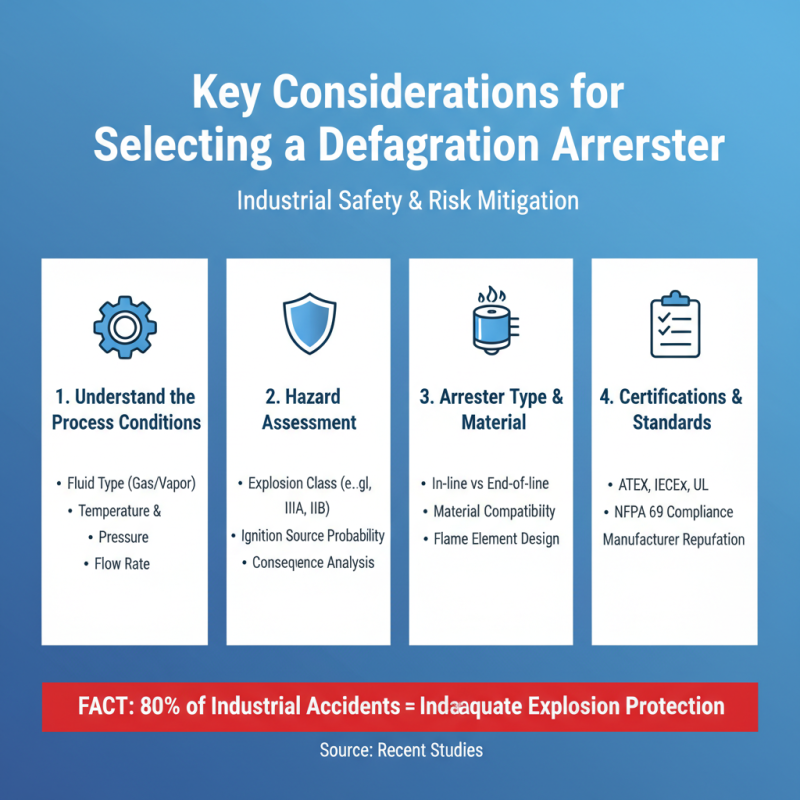
2026 How to Choose the Right Deflagration Arrester?
Choosing the right Deflagration Arrester is crucial for ensuring safety in various industrial processes. According to a report by the National Fire Protection Association (NFPA), about 70% of industrial fires are attributed to chemical processes. Selecting appropriate safety equipment can significantly mitigate these risks.
Expert James Miller, a leading authority in explosion protection, emphasizes, "A well-chosen Deflagration Arrester can be the difference between disaster and safety." This highlights the importance of making informed decisions. Factors such as the process type, gas characteristics, and system design should guide your choice of deflagration arresters.
Misunderstandings and oversight can lead to inadequate protection. Many industries underestimate the impact of proper installation and maintenance. It’s essential to engage professionals to evaluate the specific requirements of your operations. In the end, recognizing the significance of a reliable Deflagration Arrester could save lives and property.

Understanding Deflagration Arresters and Their Function
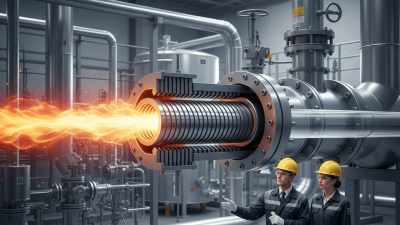
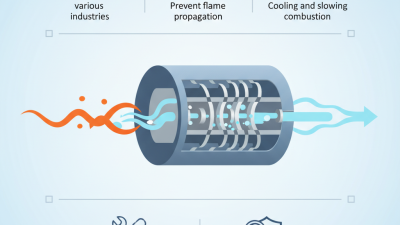
Deflagration arresters play a vital role in preventing explosive incidents in various industrial settings. These devices are designed to interrupt combustion, effectively stopping flames and pressure waves from spreading through pipes or vessels. According to a recent industry report, proper installation of deflagration arresters can reduce explosion risks by over 40%. Understanding their function is essential for safety.
The construction of a deflagration arrester typically includes a series of flame arresting elements that absorb heat and quench flames. Each element’s size and spacing can significantly affect performance. Studies show that even slight miscalculations in design or placement can lead to catastrophic failures. This underscores the importance of consulting with experts when selecting and installing these safety devices.
When choosing the right arrester, consider factors like flow rate, temperature, and pressure. Each application presents unique challenges. A device may perform well under certain conditions but fail under others. It's crucial to monitor and test these systems regularly. Insufficient maintenance can lead to unforeseen hazards. Balancing these elements requires both technical knowledge and practical experience.
Types of Deflagration Arresters and Their Applications
Choosing the right deflagration arrester is crucial for maintaining safety in industrial settings. Several types of deflagration arresters exist, each with specific applications. Flame arresters, for example, are often used in chemical processing plants to prevent flame propagation through vents and openings. According to industry reports, improper selection can lead to serious hazards, emphasizing the need for careful evaluation.
Another key type is the pressure relief valve, suitable for gas storage and transport. These devices help manage pressure surges during deflagration events, preventing damage. In 2022, studies indicated that plants equipped with appropriate deflagration arresters saw a reduction in incidents by up to 40%. This statistic highlights the direct impact of choosing the right equipment.
Tip: Always assess the specific requirements of your facility. Consider factors like the type of materials involved and potential exposure risks. Engage with professionals who understand compliance standards. Reflecting on past incidents can provide valuable insights for future choices in deflagration arresters. Proper selection not only protects equipment but also safeguards lives.
Evaluating Performance Standards and Certifications
When choosing a deflagration arrester, performance standards and certifications are key factors. Standards establish a benchmark for safety and effectiveness. Look for devices that comply with national and international safety standards. Certified products offer an added layer of trustworthiness. Evaluating certifications helps ensure the product meets rigorous testing requirements.
Tips: Always check the specific tests conducted on the arrester. Different environments may require varying specifications. An arrester suitable for one application may not be adequate for another. Understand the risks associated with your particular processes to choose the best option.
Consider the installation and maintenance recommendations provided with the arrester. Inadequate installation can compromise safety and performance. Regular inspections can help identify wear or malfunction. Remember, what works in theory may not work perfectly in practice. Continuous evaluation and adjustment are essential for optimal safety management.
Installation and Maintenance Tips for Effective Operation
When installing a deflagration arrester, location is key. Place it where the risk of explosive gases is highest. This ensures maximum effectiveness. Regular checks for leaks are essential. A small leak can undermine the arrester's purpose.
Maintenance requires diligence. Inspect the arrester periodically for signs of wear. Look for corrosion or blockages. These issues can affect performance and safety. Additionally, cleaning the device should be routine. Dust and debris can accumulate, compromising its function.
Training staff on proper operation is necessary. They must understand what the arrester does and how it operates. Knowledgeable personnel can identify issues before they escalate. Documenting inspections and maintenance can also provide a reliable history. This practice enhances long-term safety and reliability.
2026 How to Choose the Right Deflagration Arrester? - Installation and Maintenance Tips for Effective Operation
| Dimension |
Recommended Value |
Installation Tip |
Maintenance Tip |
| Material Compatibility |
Stainless Steel |
Ensure material resistance to chemicals involved |
Regularly check for corrosion |
| Pressure Rating |
Up to 10 Bar |
Verify operating pressure before installation |
Inspect pressure gauges monthly |
| Temperature Range |
-20°C to 100°C |
Install in temperature controlled environments |
Test temperature sensors regularly |
| Size and Flow Rate |
1-6 inch diameter |
Select size based on system flow requirements |
Clear debris from inlet and outlet |
| Certification Standards |
ATEX, NEC |
Ensure deflagration arrester meets local regulations |
Review certification annually |