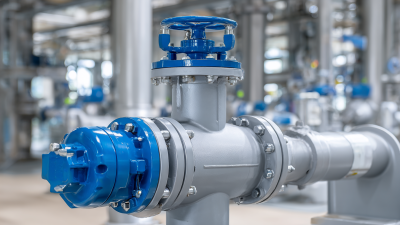
What is Pilot Operated Diaphragm Valve and Its Benefits?
In today's industrial landscape, the Pilot Operated Diaphragm Valve stands out as a remarkable innovation. Renowned expert Dr. John Smith, a leader in valve technology, states, "Pilot Operated Diaphragm Valves offer unmatched control and reliability." This statement captures the essence of why these valves are increasingly essential in various applications.
Pilot Operated Diaphragm Valves utilize a unique mechanism that enhances their functionality. They provide precise flow control, making them ideal for sensitive environments. The diaphragm's operation relies on pilot pressure, which significantly reduces the force required to actuate the valve. This efficiency leads to less wear and tear over time, which is a critical aspect for operators.
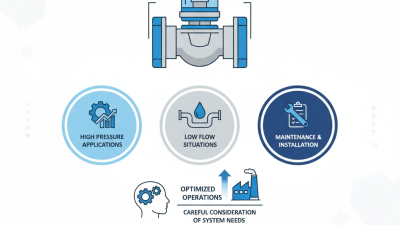
However, it is essential to consider the potential limitations. Installation and maintenance can be complex. Understanding the specific requirements of each application is crucial. Often, users face challenges in selecting the right model, which could impact performance. Despite these hurdles, the benefits of Pilot Operated Diaphragm Valves, particularly their durability and operational efficiency, make them a valuable asset in fluid control systems.
What is a Pilot Operated Diaphragm Valve?
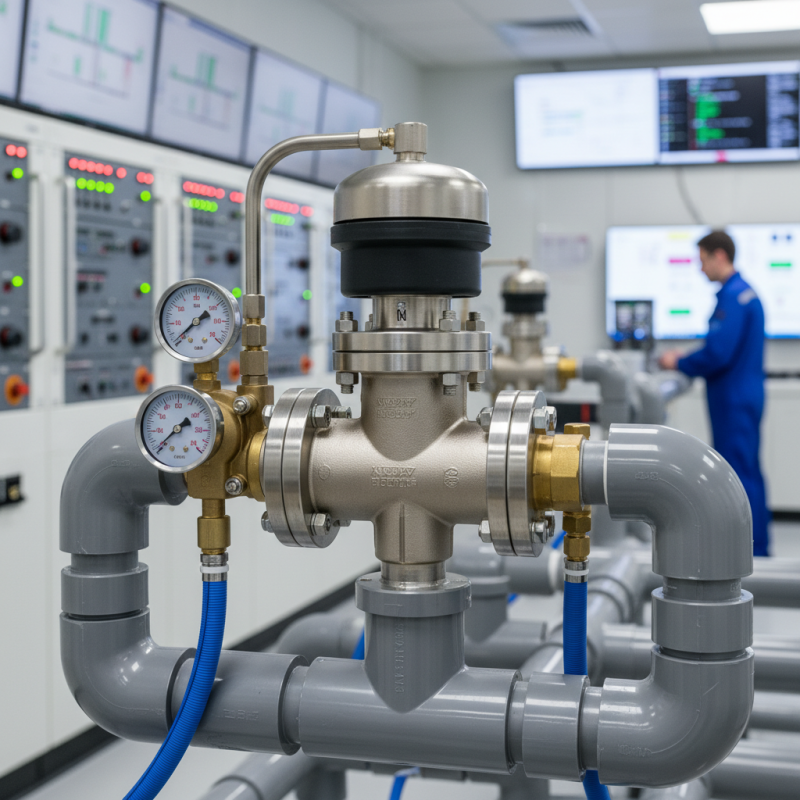
A Pilot Operated Diaphragm Valve is a unique device used for controlling fluid flow. This valve combines mechanical and pneumatic systems. It features a diaphragm that responds to pressure changes, ensuring accurate operation. When the pilot pressure increases, it opens the main valve, allowing fluid to flow. When the pressure drops, the diaphragm closes, stopping the flow.
One notable aspect is its efficiency in various applications. It can operate in high-pressure environments while maintaining tight sealing. This technology is often applied in water treatment, chemical processing, and gas distribution. Its design minimizes maintenance needs, which can be a crucial benefit in demanding environments. However, improper installation can lead to issues like leakage or fluctuations in pressure.
Maintenance should be a higher priority to prevent failures. Regular inspections are needed to ensure the diaphragm is in good condition. Operating under extreme conditions without adequate checks can lead to reduced lifespan. Some operators might overlook these checks, thinking it is low-risk. A close examination of these valves can reveal subtle signs of wear that prevent greater problems in the future.
Key Components of Pilot Operated Diaphragm Valves
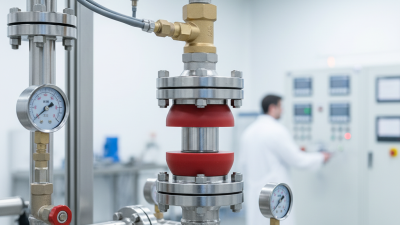
Pilot operated diaphragm valves are essential in various industrial applications. Understanding their components is crucial for effective operation and maintenance. Key components include the diaphragm, pilot control system, and the valve body. The diaphragm, usually made from elastomeric materials, acts as a barrier that controls flow. Its flexibility allows for regulation with minimal resistance, ensuring smooth operation.
The pilot control system uses pressurized fluid to move the diaphragm. This system enhances the valve's performance, enabling it to control large flow rates with minimal input pressure. A 2022 report from the Fluid Control Institute states that pilot operated diaphragm valves can achieve an efficiency rate of over 90% in large-scale applications. However, the complexity of these systems can lead to maintenance challenges. Regular inspections are needed to prevent diaphragm fatigue and ensure longevity.
The valve body holds the diaphragm and pilot system in place. Its materials are often selected based on the application’s specific requirements, such as corrosion resistance or temperature tolerance. Industry research indicates that failure to choose the correct materials can lead to significant downtime and costly repairs. Thus, understanding these key components enhances the reliability of pilot operated diaphragm valves.
Benefits of Pilot Operated Diaphragm Valves
This bar chart illustrates the key benefits of Pilot Operated Diaphragm Valves based on a rating scale from 1 to 10. Each benefit highlights the advantages that these valves offer in various applications.
How Pilot Operated Diaphragm Valves Work
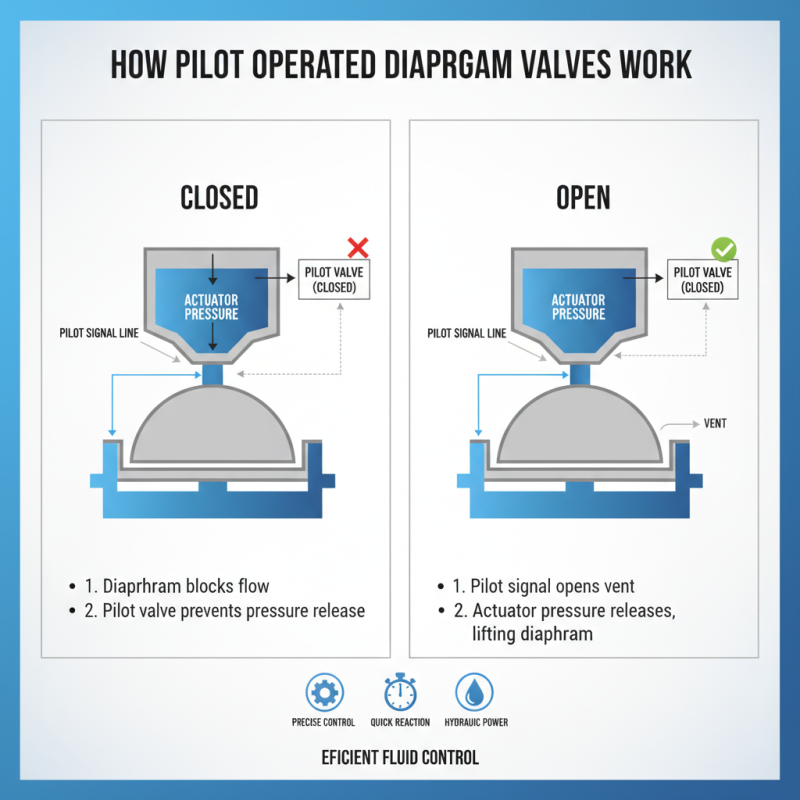
Pilot Operated Diaphragm Valves (PODVs) are specialized valves that utilize hydraulic pressure to control flow. Their operation is both innovative and efficient. A diaphragm inside the valve separates the fluid from the actuator pressure. This design allows for precise control over the valve's opening and closing. By using a pilot signal, these valves can react quickly to changes in system conditions.
When the pilot pressure increases, the diaphragm moves to open the valve. Conversely, a drop in pilot pressure leads to valve closure. This mechanism reduces the amount of force needed to operate the valve. Such efficiency makes PODVs ideal for various applications, including water treatment, chemical processing, and pharmaceutical industries. The diaphragm material is resistant to corrosion, ensuring longevity and reliability in demanding environments.
Despite their advantages, PODVs might not be suitable for every application. They require a consistent pressure source to function correctly. If this source fails, the valve may not operate as intended. It's essential to evaluate the system thoroughly before implementing PODVs. Regular maintenance is also crucial to avoid potential failures, which can lead to unexpected downtimes.
Advantages of Using Pilot Operated Diaphragm Valves
Pilot operated diaphragm valves have gained significant traction in various industries due to their unique advantages. These valves use a pilot signal to control flow, offering precise regulation. Reports indicate that the efficiency of fluid control can be improved up to 30% when using these valves compared to traditional options. Their design minimizes wear and tear, leading to longer service life and lower maintenance costs. This durability makes them suitable for applications with high-frequency cycling, where other types might fail.
Moreover, pilot operated diaphragm valves excel in fluid media versatility. They efficiently manage corrosive fluids, slurries, and even gases. Industry studies suggest that improper valve choices can lead to equipment failures, which can cost companies thousands in downtime. A correct valve selection mitigates these risks. Their compact design also enhances installation flexibility, fitting into tight spaces without sacrificing performance. Many operators appreciate this advantage, especially in complex setups requiring high reliability.
Though the benefits are numerous, some drawbacks need reflection. For instance, the initial installation cost can be higher than standard valves. Understanding the long-term benefits is essential when considering this investment. Additionally, pilot systems can be complex. Regular maintenance is crucial to ensure optimal operation. Despite these challenges, the reliability and efficiency of pilot operated diaphragm valves often outweigh the concerns.
Common Applications of Pilot Operated Diaphragm Valves
Pilot operated diaphragm valves are essential components in various industries. They control flow, pressure, and liquid levels. Their versatility enables numerous applications, including water treatment, pharmaceuticals, and food processing. According to a report from the Market Research Future, the global diaphragm valve market is expected to grow significantly, reaching $3 billion by 2025.
In water treatment facilities, these valves regulate the flow of chemicals during purification processes. They ensure optimal performance by maintaining consistent pressure levels. In the pharmaceutical industry, they provide sterile conditions, preventing contamination. A study published in the Journal of Fluid Mechanics highlighted their ability to enhance process efficiency with minimal maintenance.
Tip: When selecting a pilot operated diaphragm valve, consider the fluid type and temperature. Ensuring compatibility can prevent costly errors.
In food processing, these valves help maintain hygiene and product quality. They minimize risks of contamination and ensure compliance with safety regulations. A report from the International Food Safety Association indicates that improper valve selection can lead to a 20% increase in failure rates.
Tip: Regular maintenance checks are crucial. Neglecting routine inspections may lead to unexpected downtimes.