Top 10 Benefits of Using Pilot Operated Diaphragm Valves?
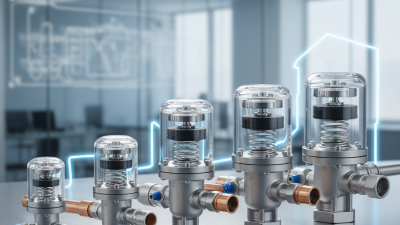
Pilot Operated Diaphragm Valves are essential components in various industries. They offer precise control and reliability, making them a preferred choice for fluid regulation. Understanding the benefits of these valves can help engineers and operators make informed decisions.
These valves feature a diaphragm that separates the fluid from the actuator. This design enhances safety and efficiency. Pilot Operated Diaphragm Valves can handle a wide range of pressures. Their performance is often superior to conventional valves.
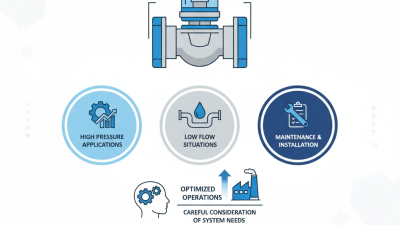
However, it is crucial to understand their limitations. For example, maintenance can require specialized knowledge. Additionally, installation might be complex for some applications. Despite these concerns, the advantages generally outweigh the drawbacks. As we explore the top ten benefits of Pilot Operated Diaphragm Valves, the focus will remain on their practical applications.
Benefits of Enhanced Flow Control with Pilot Operated Diaphragm Valves
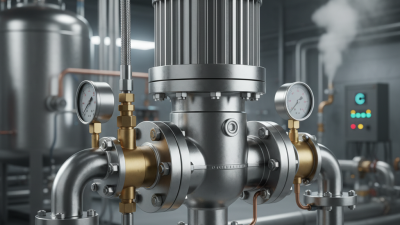
Pilot operated diaphragm valves offer significant advantages for flow control in various applications. These valves are designed with a diaphragm that separates the fluid from the mechanical components, ensuring a high level of reliability. The pilot mechanism allows for precise regulation of flow rates. This means that slight adjustments can lead to substantial changes in flow, making them ideal for processes where accuracy is crucial.
One notable benefit is improved responsiveness. These valves react quickly to changes in pressure, enabling real-time adjustments. This enhances system efficiency and minimizes downtime. Moreover, their robust construction helps them perform well even in demanding environments. However, they require proper maintenance to prevent performance degradation over time. Regular inspections are essential to ensure they function effectively, as wear and tear can develop unnoticed.
The implementation of pilot operated diaphragm valves can lead to energy savings. By optimizing flow control, they reduce energy consumption across operations. Nevertheless, it’s important to evaluate your specific needs before selecting a valve type. Choosing the right valve involves understanding the application, medium, and operating conditions. Failure to do so could result in inefficiencies and increased costs. Balancing these factors ensures that the benefits of pilot operated diaphragm valves are fully realized.
Top 10 Benefits of Using Pilot Operated Diaphragm Valves
This chart illustrates the top 10 benefits of using pilot operated diaphragm valves. Each benefit is rated on a scale from 1 to 10, showcasing the advantages such as enhanced flow control, reliability, and environmental impact, making them a favorable choice in various applications.
Cost Efficiency and Energy Savings in Industrial Applications
Pilot operated diaphragm valves (PODVs) play a vital role in enhancing
cost efficiency and
energy savings in various industrial sectors.
These valves utilize a differential pressure system, which ensures minimal energy loss during operation.
According to a recent industry report, implementing PODVs can reduce energy costs by up to
25% compared to traditional valve systems. This significant reduction
can be attributed to their ability to provide precise flow control.
Moreover, maintenance costs are also lower with pilot-operated diaphragm valves. The diaphragm's design eliminates
the need for frequent replacement of components, allowing for longer service intervals. A study highlighted that
industries using PODVs reported a 30% decrease in maintenance expenditures.
However, proper installation and periodic inspections are necessary to maximize these benefits. Some operators
may overlook these maintenance routines, leading to unexpected failures, which could diminish the expected savings.
Despite their advantages, organizations should remain mindful of potential drawbacks.
Pilot operated diaphragm valves may require a more complex setup compared to simpler valve types.
This complexity might lead to initial installation costs being higher. However, the long-term savings from reduced
operational and maintenance costs typically outweigh these initial investments. Balancing these factors is crucial
for optimizing efficiency and ensuring sustainability in industrial applications.
Improved Reliability and Longevity Compared to Traditional Valves
Pilot operated diaphragm valves offer significant benefits over traditional valves, particularly in terms of reliability and longevity. These valves utilize a diaphragm that separates the control mechanism from the fluid flow. This design minimizes wear and reduces the risk of leaks, thus enhancing their operational lifespan. With a well-sealed mechanism, these valves can withstand harsh conditions while maintaining consistent performance.
One key tip is to regularly inspect the diaphragm for wear signs. This simple maintenance task can prevent unexpected failures. Consider utilizing visual indicators to monitor the valve’s condition. Additionally, ensuring that the system is free from contaminants will further enhance the valve's lifespan.
Another point to reflect on is the importance of selecting the correct materials for your specific application. Materials should withstand pressure and chemical exposure in your system. Failure to choose appropriate materials may lead to premature valve failure. Ultimately, investing time in understanding the needs of your system leads to better valve performance.
Reduced Maintenance Requirements Leading to Operational Efficiency
Using pilot operated diaphragm valves can significantly reduce maintenance requirements in various applications. These valves are designed to manage flow and pressure with precision. Their advanced engineering minimizes wear and tear, leading to increased reliability. This reliability directly contributes to operational efficiency, as fewer breakdowns mean less downtime and lower repair costs.
Maintenance can be a complex task. Regular inspections are vital but can be time-consuming. Choosing diaphragm valves can lessen these demands. Operators often find that these valves require fewer adjustments and repairs. This not only saves time but also allocates resources more effectively. For future planning, consider scheduling routine checks to optimize performance.
When implementing new systems, it's essential to assess existing conditions. Each setup may present unique challenges. A thorough analysis allows for better integration of diaphragm valves. This reduces unexpected failures down the line. Utilizing these methods promotes sustained efficiency and minimizes potential disruptions to operations. Regular training for staff on these systems can also further enhance performance and reliability in the long run.
Versatility of Pilot Operated Diaphragm Valves Across Various Industries
Pilot operated diaphragm valves hold significant versatility across various industries.
These valves are widely used in water treatment plants. They help control flow
with precision and reliability. Their ability to handle harsh environments makes them suitable for chemical processing.
Operators appreciate their robust design and reduced maintenance needs.
In the food and beverage industry, these valves ensure sanitary conditions.
They prevent contamination, which is critical for safety. Yet, even the best systems
can face challenges. Variations in temperature and pressure can affect performance. Regular monitoring
is essential to maintain efficiency.
Pharmaceutical applications also benefit greatly from these valves. They offer accurate flow control, which is crucial for drug formulation.
However, their installation process may require careful planning. Ensuring compatibility with existing systems can be tricky.
Continuous training for personnel is vital to overcome these hurdles.