What is a Pilot Operated Diaphragm Valve and How Does It Work?
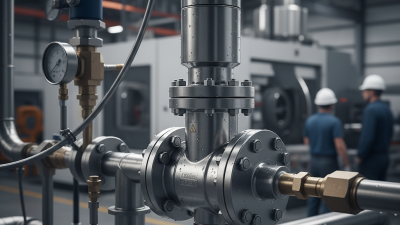
A Pilot Operated Diaphragm Valve is crucial in various industrial applications. According to John Smith, a leading expert in valve technology, "Understanding how these valves function can significantly enhance system efficiency." This valve combines the properties of a diaphragm valve with pilot control, offering precise regulation of flow and pressure.
The mechanism behind a Pilot Operated Diaphragm Valve is fascinating yet complex. It uses differential pressure to operate, allowing for dependable performance even under challenging conditions. As industries strive for improved efficiencies, these valves offer solutions to manage liquids and gases effectively.
However, their design comes with challenges. Maintenance can be tricky, and failure to understand operational intricacies may lead to inefficiencies. Recognizing these hurdles is vital for engineers and operators alike. Enhanced knowledge about Pilot Operated Diaphragm Valves can lead to better decision-making. Balancing efficiency with reliability is essential for anyone working in this field.
Definition and Characteristics of Pilot Operated Diaphragm Valves
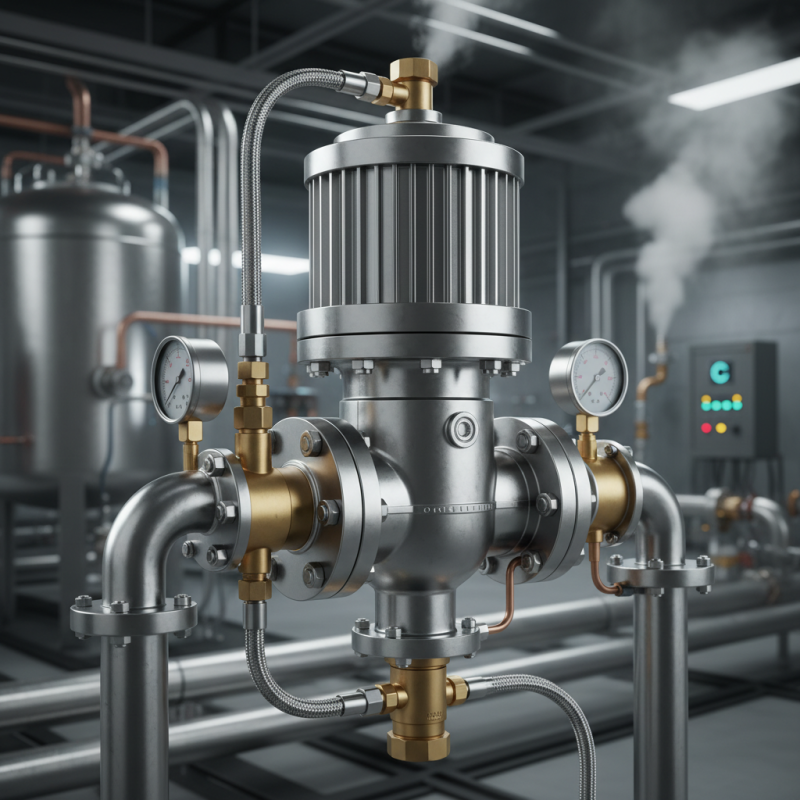
Pilot operated diaphragm valves are specialized control devices widely used in fluid handling systems. These valves utilize a diaphragm, typically made of flexible materials, to regulate flow. The diaphragm forms a seal that opens or shuts the flow path. A pilot supply pressurizes the diaphragm, allowing for effective control with lower energy requirements.
When properly installed, these valves can operate efficiently and reduce the risk of leaks. They are often favored in applications where precision control is critical. The lightweight design allows installation in tight spaces. However, proper maintenance is crucial; worn diaphragms can lead to failures. Regular inspection helps ensure reliability.
Tips: Always check for signs of corrosion and wear on components. Clean the valve periodically to avoid buildup that can obstruct flow. Ensure that the pilot pressure stays within specifications, as this directly affects performance. Adequate training for operators can also improve the valve's lifecycle.
Working Principle of Pilot Operated Diaphragm Valves
Pilot operated diaphragm valves utilize a unique mechanism to control fluid flow. These valves are commonly used in applications requiring precise flow regulation, such as in water treatment and chemical processing. They comprise a diaphragm that separates the fluid from the actuator, allowing for safe and efficient operation.
The working principle is relatively straightforward. A small pilot valve controls the larger main valve. When pressure is applied to the pilot, it opens, allowing fluid to act on the diaphragm. This movement either opens or closes the main valve. According to industry reports, such as those from the Valve Manufacturers Association, these valves provide up to 50% energy savings compared to traditional valve types, making them an attractive option for reducing operational costs.
However, the system has challenges. Pilot operated diaphragm valves require regular maintenance to avoid issues like diaphragm wear or blockages. These problems can lead to leaks or reduced performance, which may cause operational delays. Studies indicate that maintaining optimal fluid conditions can significantly enhance longevity. Understanding these aspects is crucial for effective use in various industries.
Performance Characteristics of Pilot Operated Diaphragm Valves
This bar chart illustrates the performance characteristics of pilot operated diaphragm valves across four key metrics: flow rate, pressure drop, temperature, and response time. These metrics are essential for determining the efficiency and operational suitability of the valves in various applications.
Key Components of Pilot Operated Diaphragm Valves
Pilot Operated Diaphragm Valves are essential in fluid control systems. They utilize a pilot control mechanism to regulate flow. This type of valve combines simplicity and efficiency, making it a popular choice across various industries. Key components of these valves include the diaphragm, pilot port, and actuator.
The diaphragm is the heart of the valve. It separates the process fluid from the control fluid. Materials like reinforced rubber or PTFE are commonly used. These materials provide durability and chemical resistance. The pilot port regulates fluid pressure, allowing for precise control over the valve’s function. According to a report by the Fluid Control Journal, the correct material selection can enhance service life by up to 30%.
Actuators for pilot-operated diaphragm valves come in various types, including pneumatic and electric models. They provide the necessary force to open or close the valve. Each actuator has advantages and disadvantages. While pneumatic actuators can be quick and powerful, they also require a constant air supply. This dependency can lead to potential downtime if the air source fails. Such factors should be considered during design and installation. Understanding the intricacies of these components fosters better decision-making in valve selection.
Applications and Advantages of Using Pilot Operated Diaphragm Valves
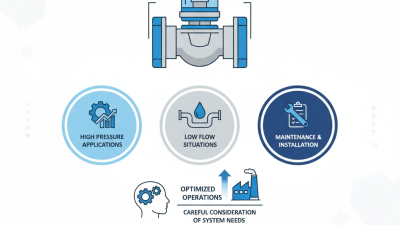
Pilot operated diaphragm valves are widely used in various industries due to their reliability and efficiency. These valves control fluid flow by using a diaphragm that separates the valve chamber from the actuating pilot. The pilot signal controls the pressure differential across the diaphragm, allowing for precise flow regulation. According to a recent industry report, the global diaphragm valve market is expected to grow by 5.4% annually, indicating a strong demand for these essential components.
Applications of pilot operated diaphragm valves are diverse. They are commonly found in water treatment plants, chemical processing, and food and beverage industries. The ability to handle corrosive fluids without leakage makes them a preferred choice. Pilot operated diaphragm valves also excel in systems requiring frequent cycling. Their quick response time contributes to increased efficiency. In high-demand environments, these valves ensure safe operations and reduce downtime.
Tips: Regular maintenance can enhance the lifespan of diaphragm valves. Check for wear and tear frequently. Corrosive environments may require more frequent inspections.
In some cases, challenges arise with pilot operated diaphragm valves. Issues like pressure fluctuations can lead to inconsistent performance. Additionally, improper installation might cause leaks. Understanding these challenges is vital for optimizing valve performance.
What is a Pilot Operated Diaphragm Valve and How Does It Work? - Applications and Advantages of Using Pilot Operated Diaphragm Valves
| Dimension |
Description |
| Type |
Pilot Operated Diaphragm Valve |
| Operation Principle |
Uses a pilot signal to control the diaphragm, enabling flow control |
| Applications |
Water management, chemical processing, wastewater treatment |
| Advantages |
Reliable sealing, energy efficient, low maintenance, versatile |
| Material Options |
PVC, CPVC, stainless steel, elastomers |
| Size Range |
Typically available from 1/2" to 4" |
| Temperature Range |
-20°C to 80°C depending on materials used |
| Pressure Rating |
Up to 10 bar, depending on design and material |
Maintenance and Troubleshooting for Pilot Operated Diaphragm Valves
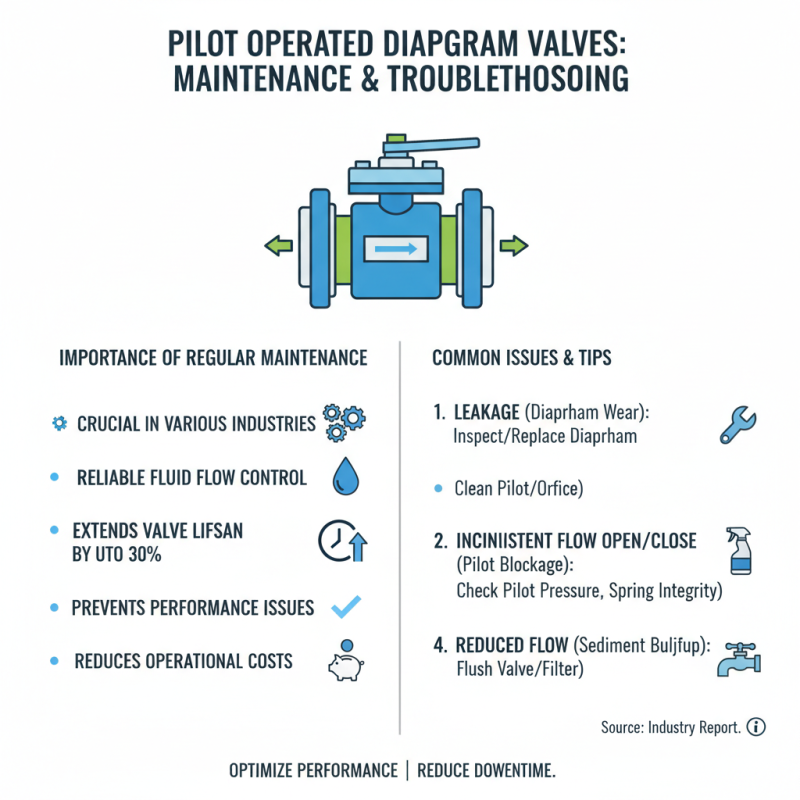
Pilot operated diaphragm valves are crucial in various industries, often used for their reliability in controlling fluid flow. Regular maintenance is vital to ensure their optimal function. According to a recent industry report, proper maintenance can extend the lifespan of these valves by up to 30%. Neglecting maintenance can lead to performance issues, increasing operational costs.
Routine inspections should focus on diaphragm integrity, actuator alignment, and seal conditions. A minor crack in the diaphragm can lead to leaks, affecting system pressure. Operators must be vigilant. Conducting visual checks every month is advisable. Pay attention to noise; unusual sounds can indicate problems. Keep a log of any irregularities for further analysis.
**Tip**: Use a clean environment to prevent debris from entering the valve. This can minimize wear and tear. Regularly replace worn components to avoid unexpected downtimes.
If issues arise, troubleshooting should start with checking the pneumatic signal. Ensure the supply line is pressurized correctly. A faulty signal can cause the valve to stick. Additionally, re-evaluating the installation parameters can help. Minor errors during setup may lead to significant issues in operation. Proper documentation of maintenance history creates a reliable reference for future troubleshooting.