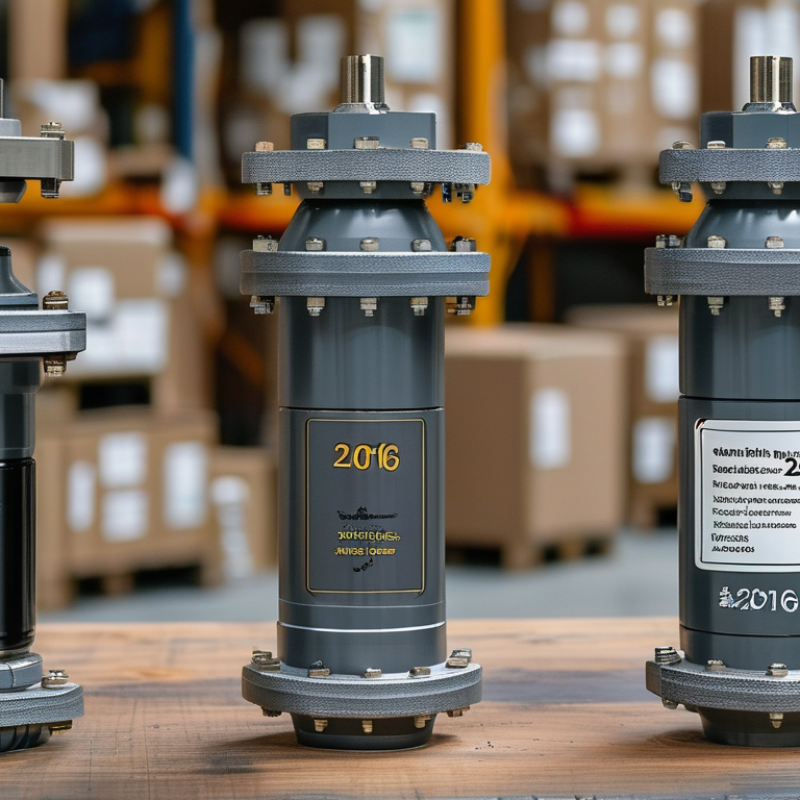
2026 Top Arrester Flame Solutions for Global Buyers?
The global demand for effective Arrester Flame solutions is on the rise. Experts like Dr. Emily Carter emphasize the urgency. She states, “In today’s environment, reliable Arrester Flame technologies are essential for safety.”
The year 2026 holds promise for innovation in this sector. As businesses seek advanced protection mechanisms, the importance of quality becomes clear. Standard solutions may not suffice. Each application requires tailored strategies to ensure optimal safety.
The challenge lies in staying ahead of emerging threats while maintaining reliability. While there are many options available, not all meet high standards. Buyers must navigate this complex landscape with care. Only by discerning the best solutions can they protect their interests effectively.
Overview of Arrester Flame Solutions for Global Markets
The global market for arrester flame solutions is rapidly evolving. Recent industry reports indicate a projected growth rate of 8.5% by 2026. This growth is driven by increasing demand for safety equipment across various sectors. Industries like oil and gas are particularly focused on enhancing their fire safety measures. Companies are investing in advanced technology to ensure protection against flame hazards.
Understanding local regulations is crucial for market penetration. Different regions have varying standards for flame arresters. For instance, the European market emphasizes stringent safety measures. According to the International Safety Association, compliance can reduce accidents by up to 30%.
However, the industry faces challenges. There is often a lack of awareness among smaller businesses regarding optimal solutions. Misunderstanding specifications can lead to improper installations. Training and guidance are essential to mitigate these risks. The reliability of solutions relies on proper implementation and ongoing maintenance. More education is needed to empower global buyers in selecting the right products.
Key Innovations in 2026 Flame Arresters
In 2026, flame arresters will see significant advancements. These innovations focus on improving safety and efficiency. The new designs aim to minimize the chances of explosions in various industries. Enhanced materials are being tested, which promise better heat resistance. Some designs incorporate smart technology, monitoring conditions in real-time.
User-friendly features are also a priority. New models will be easier to install and maintain. Many companies are prioritizing user feedback. They are creating solutions that address common issues faced by operators. Greater accessibility has become a key objective. Not all designs may meet varied industrial needs.
It's important to note that not every innovation will work perfectly in every scenario. Continuous testing and adaptation will be necessary. In some cases, users may need to reconsider their traditional approaches. The balance between innovation and practicality will be crucial as the industry evolves. This reflects the ongoing challenge of securing safety while managing costs.
Leading Manufacturers and Their Technologies
Flame arresters are vital for preventing explosive outbreaks in hazardous environments. Various manufacturers are investing in innovative technologies to enhance safety. According to a recent market analysis, the global flame arresters market is projected to reach $450 million by 2026, driven by rising industrial safety standards.
Leading manufacturers focus on design optimization and material selection. Advanced materials, such as stainless steel, offer durability and resistance to extreme temperatures. These features improve the effectiveness of arresters in different applications. In addition to materials, modular designs allow for easier maintenance and customization, catering to specific industry needs.
Tip: Regularly review safety equipment and its compatibility with current regulations. Ensure personnel are trained to understand and use flame arresters effectively.
However, the industry faces challenges. There is a lack of standardization, which can lead to inconsistent performance across regions. Manufacturers must collaborate with regulatory bodies to establish clear guidelines. It's essential to address these gaps to enhance safety.
Tip: Stay informed about the latest industry standards and technologies. Continuous education can prevent potential hazards and improve operational efficiency.
Applications of Flame Arresters Across Industries
Flame arresters play a critical role in various industries, providing safety and preventing catastrophic incidents. These devices are essential in industries like oil and gas, chemical manufacturing, and food processing. In oil and gas, they help to control gas and vapor flows, reducing risks during operation. The chemical sector utilizes flame arresters to protect equipment from hazardous conditions.
In food processing, flame arresters safeguard against potential explosions in environments with volatile solvents. Understanding how and where to implement these devices is key to enhancing safety protocols. It is vital to select appropriate flame arrester types based on specific operational needs to ensure maximum protection.
Tip: Always evaluate the specific processes used in your industry. Regular maintenance of flame arresters can prevent potential failures.
Effective installation is crucial. It is not enough to merely place a flame arrester in an assembly; proper alignment and adherence to manufacturer specifications are necessary. This will enhance reliability while minimizing risks significantly.
Tip: Train personnel on best practices for handling and maintaining flame arresters. Knowledge is power, especially when safety is at stake.
2026 Top Flame Arresters Across Industries
Future Trends and Regulatory Considerations in Flame Protection
As we look toward the future of flame protection, regulatory considerations are paramount. According to a report from the National Fire Protection Association (NFPA), fire incidents caused approximately $14.8 billion in property damage in 2021 alone. This statistic underscores the pressing need for effective flame protection solutions. Regulations are evolving, pushing manufacturers to adopt more reliable materials and technologies to enhance safety.
In recent years, the demand for advanced flame protection systems has surged. Industry surveys indicate that 67% of companies are evaluating new flame retardant products due to changing regulations. These regulations not only focus on efficacy but also on environmental impact. More jurisdictions are mandating the use of non-toxic, eco-friendly materials. Manufacturers face challenges in balancing compliance with costs while ensuring product effectiveness.
Moreover, the landscape is shifting with innovations in flame protection technology. Research indicates a growth rate of 5.1% in flame protection solutions market, suggesting a strong future trajectory. Companies are encouraged to invest in research and development. Yet, with rapid advancements, staying compliant with shifting standards can prove daunting. This dynamic environment calls for continuous adaptation and proactive measures, revealing areas where businesses must reflect and improve.
2026 Top Arrester Flame Solutions for Global Buyers
| Solution Type |
Effectiveness (Rating 1-5) |
Regulatory Compliance |
Market Trend |
Cost Estimation (USD) |
| Flame Retardant Materials |
4 |
Yes |
Growing Demand |
$10,000 - $15,000 |
| Automatic Flame Detection Systems |
5 |
Yes |
Expanding Market |
$20,000 - $30,000 |
| Portable Flame Suppression Devices |
4 |
Pending |
Niche Growth |
$5,000 - $10,000 |
| Integrated Fire Safety Systems |
5 |
Yes |
Stable Growth |
$50,000 - $75,000 |
| Smart Sensor Technology |
4 |
Yes |
Innovative Surge |
$15,000 - $25,000 |