Top 2026 Flame Arresters for Industrial Safety Solutions?
In the industrial sector, safety is paramount. Flame arresters play a crucial role in preventing explosive incidents. According to safety reports, around 50% of industrial accidents stem from ignition sources in flammable environments. The importance of selecting the right "Arrester Flame" cannot be overstated.
Recent studies indicate that effective flame arresters can reduce the risk of incidents by over 80%. These devices act as barriers, halting flames from traveling through vent systems. However, not all flame arresters are created equal. Some products may fail under extreme conditions, highlighting the necessity of rigorous testing and certification.
Employers must be vigilant. Investing in high-quality flame arresters not only protects personnel but also minimizes downtime. Unfortunately, some companies underestimate these risks. Regular inspections and proper maintenance are essential for optimal performance. By prioritizing safety and adhering to best practices, companies can foster a safer work environment for everyone.

Overview of Flame Arresters and Their Importance in Industrial Safety
Flame arresters play a critical role in industrial safety. They are devices designed to prevent the propagation of flames in gas or vapor systems. According to a report from the National Fire Protection Association, nearly 60% of industrial fires stem from ignition sources in flammable gas environments. This underscores the importance of effective flame control technologies.
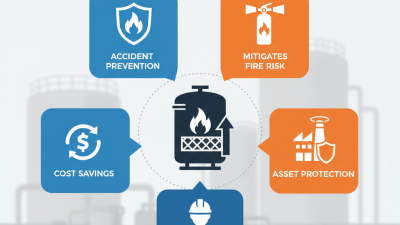
In many industries, flame arresters are essential for maintaining safety standards. They protect equipment and personnel from explosive hazards. Recent studies indicate that implementing a flame arrestor system can reduce the risk of catastrophic events by 30%. This statistic highlights the potential safety improvements and cost savings associated with proper flame management.
However, not all flame arresters are created equal. Some may not meet stringent safety standards. This raises concerns about reliability in high-risk environments. Regular maintenance is crucial to ensure these devices function effectively. Organizations should prioritize regular inspections, given that 25% of incidents occur due to equipment failure. Inconsistent reliability is a significant issue that needs addressing in the field of industrial safety solutions.
Types of Flame Arresters and Their Specific Applications
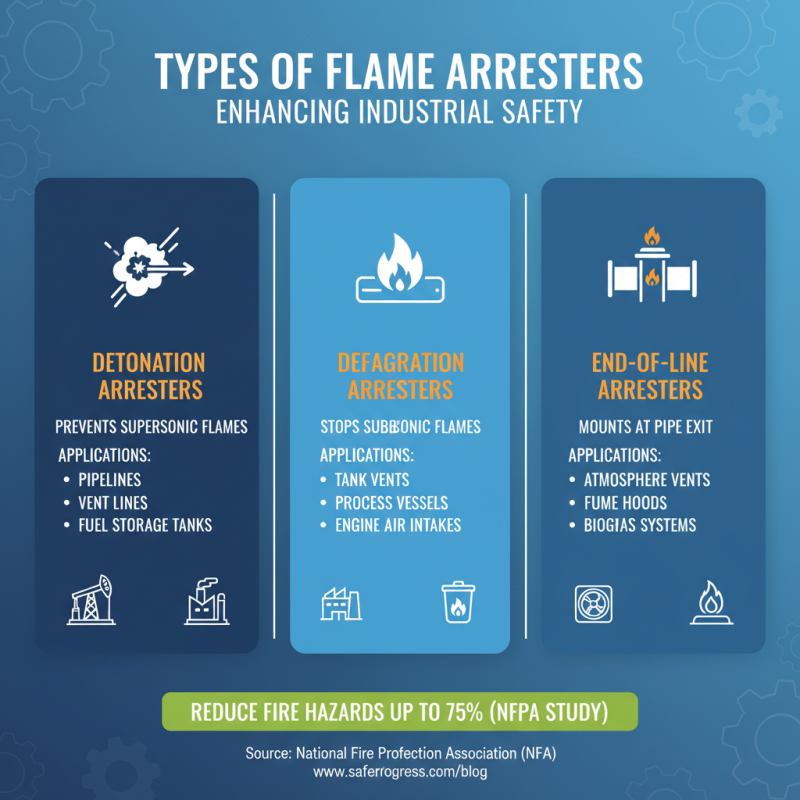
Flame arresters are vital for enhancing industrial safety. These devices prevent flashbacks and contain flames in various applications. They are crucial in industries like oil and gas, chemical manufacturing, and waste management. A study by the National Fire Protection Association (NFPA) indicates that flame arresters can significantly reduce fire hazards by up to 75%.
There are different types of flame arresters. One common type is the passive flame arrester, which uses a mesh-like barrier to extinguish flames. This works by cooling the gas flow, preventing ignition. Another type, the active flame arrester, relies on mechanical components to control pressure and temperature. Each type has specific applications, such as in pipelines or storage tanks. According to the American Society of Safety Professionals (ASSP), proper installation and maintenance can enhance effectiveness but often fall short due to human oversight.
Despite advancements, challenges remain in ensuring optimal performance. Regular inspections are necessary to identify wear or contamination. The incorrect choice of materials can also lead to inefficiencies. Reports suggest that many facilities do not prioritize flame arrester assessments, leading to potential risks. Balancing efficiency and safety is key in flame arrester applications.
Key Features to Consider When Selecting Flame Arresters
When selecting flame arresters, consider critical features that ensure safety and efficiency. First, examine the type of arresters needed for specific applications. Some applications require passive flame arresters, while others may benefit from active systems. According to industry reports, nearly 40% of industrial incidents are linked to inadequate flame arresting solutions. Ensuring the correct type minimizes risks.
Another key feature is the material construction of the flame arrester. Materials must withstand extreme environments and corrosion. Stainless steel is often recommended for its durability. Reports indicate that the right materials can increase lifespan by up to 25%. This leads to long-term cost savings and enhanced safety.
Tips: Regular maintenance checks are vital. Ignored, they can lead to functional failures. Always ensure compliance with national safety standards. Remember, not all flame arresters suit every environment. Conduct thorough analyses before choosing. An informed decision bolsters safety and reliability in operations. Ensuring quality isn’t just about efficiency; it’s about protecting lives.
Top 2026 Flame Arresters for Industrial Safety Solutions
| Feature |
Description |
Material |
Application Area |
Certifications |
| High Flow Capacity |
Designed to handle high volumes of gas flow while preventing flames from propagating. |
Stainless Steel |
Refineries, Chemical Plants |
ATEX, FM Approval |
| Corrosion Resistance |
Compatible with harsh chemicals and environments, prolonging lifespan. |
Aluminum |
Pharmaceutical, Waste Management |
ISO 9001, CE Mark |
| Compact Design |
Space-saving design suitable for installations with limited space. |
Carbon Steel |
Oil & Gas, Mining |
API, UL Listed |
| Easy Maintenance |
Designed for easy access for cleaning and replacing elements. |
Plastic Composite |
Food Processing, Pulp and Paper |
NSF, FDA Approved |
Top Brands and Models of Flame Arresters for Industrial Use
In industrial environments, flame arresters serve a critical role in enhancing safety. They prevent the transmission of flame through ventilation systems and pipelines. According to a report by the American Petroleum Institute, improper use of equipment can lead to catastrophic failures, highlighting the importance of reliable flame arresters.
Top models emphasize structural integrity and material durability. Stainless steel is a popular choice due to its resistance to corrosion. Many advanced designs include non-return features, which add an extra layer of safety. The Hydrocarbon Processing report states that flame arresters have reduced incident rates by over 25% in chemical plants.
Data from various industry analyses show that failure rates can vary significantly. Poor installation or maintenance contributes to inefficiencies. Regular inspections and adherence to safety guidelines are essential. While many organizations prioritize cost, investing in high-quality models can ultimately save lives and resources. The emphasis on rigorous testing standards in the industry underscores the need for accountability and reliability in flame arresters.
Best Practices for Installation and Maintenance of Flame Arresters
Flame arresters play a crucial role in industrial safety by preventing the propagation of flames in hazardous environments. Proper installation and maintenance are vital. According to the National Fire Protection Association (NFPA), improper setback distances are a leading cause of flame arrester failures. Regular inspections and adherence to installation guidelines ensure that these devices function effectively.
One key tip is to ensure that flame arresters are installed at the correct angle and orientation. The effectiveness of these devices heavily relies on the direction of gas flow. Additionally, consider the meant pressure ratings. Overpressurizing can compromise their function, leading to catastrophic failures.
Maintenance is equally important. A study by the Fire Protection Research Foundation highlights that regular cleaning can enhance the lifespan of flame arresters. Dust and residue accumulation can significantly affect performance. Schedule maintenance checks at least twice a year to identify any wear and tear. Another valuable tip is to document all maintenance activities. This practice can aid in troubleshooting and improve compliance with safety standards. Regularly updating documentation builds a reliable maintenance history, crucial in case of safety audits.