Top 10 Vacuum Relief Valves for Global Buyers to Consider?
The use of Vacuum Relief Valves is critical in various industries. They protect tanks and vessels from vacuum conditions that could lead to structural damage. According to a recent report by Market Research Future, the global vacuum relief valve market is projected to grow at a CAGR of approximately 5% over the next five years. This growth indicates rising demand for effective pressure management solutions.
While many buyers focus on brand reputation or price, the right vacuum relief valve can greatly affect operational safety and efficiency. A well-designed valve optimizes system performance and minimizes risks, ensuring reliable delivery of goods. However, not all valves meet the expected standards. In some cases, improper sizing or installation leads to failures, resulting in costly downtimes.
Understanding the specifics of each product is essential. Buyers should carefully evaluate design features, materials, and compliance with industry standards. Each vacuum relief valve comes with its advantages and drawbacks. Knowledge of these details can guide informed decisions, ensuring equipment longevity and sustaining operation.
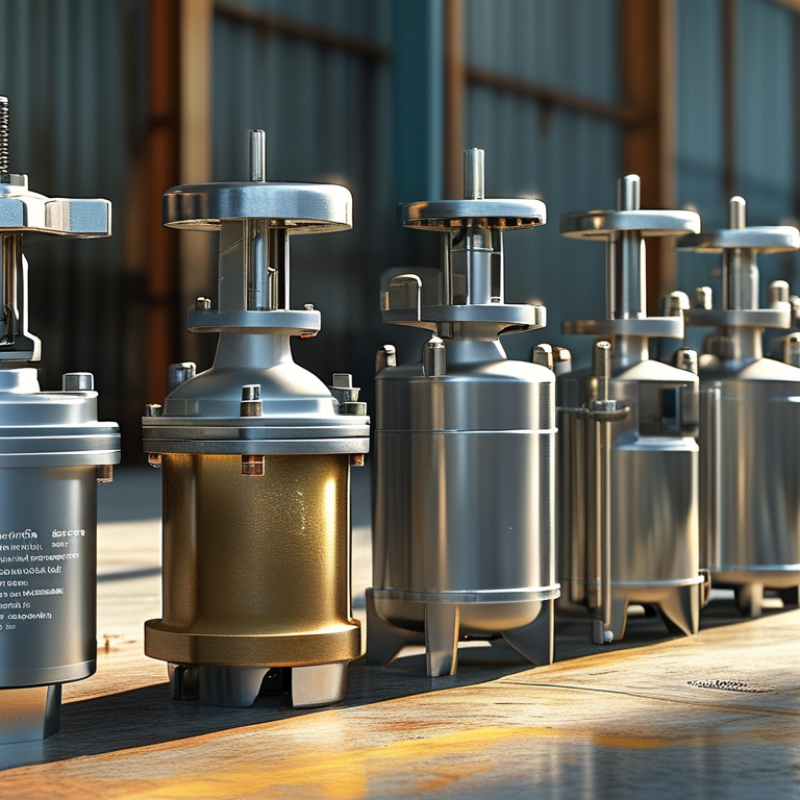
Understanding the Functionality of Vacuum Relief Valves
Vacuum relief valves play a crucial role in maintaining pressure balance in industrial processes. These valves prevent vacuum conditions that could lead to tank collapse or system failure. According to a recent market analysis, the global vacuum relief valve market is expected to grow by 5.3% annually, illustrating the rising need for effective pressure management solutions across various sectors.
The functionality of these valves is straightforward yet critical. When a vacuum forms inside a tank, a vacuum relief valve opens to allow air in, equalizing pressure. This process is essential for safety and operational efficiency. Effective valves can mitigate risks associated with storage and transport of volatile substances. Poorly designed valves may lead to excessive wear or failure, amplifying safety concerns and operational costs. An industry report suggested that up to 20% of equipment failures can be directly linked to inadequate pressure control mechanisms.
Details matter. Proper installation and regular maintenance of vacuum relief valves are necessary. Operators should routinely check for signs of wear or blockage. Statistics show that maintenance oversight contributes to 15% of operational downtime. Investing in high-quality valves can prevent costly disruptions and ensure smoother operations. However, selecting the right valve requires a nuanced understanding of specific application needs, material compatibility, and environmental conditions. Each situation is unique, and a one-size-fits-all approach may not suffice.
Key Considerations When Selecting Vacuum Relief Valves
When selecting vacuum relief valves, buyers should consider several critical factors. First, assess the material compatibility. Different environments require specific materials, like stainless steel or plastic, to prevent corrosion and ensure longevity. Understand your application needs to prevent costly failures.
Performance specifications are crucial. Look for valves with efficient pressure settings. A valve that operates at the correct threshold will protect your system from pressure fluctuations. Pay attention to the flow rate as well. An undersized valve can lead to inadequate protection, while an oversized valve may increase operational costs.
Keep installation requirements in mind. Not all valves are easy to install. Complex designs may require extensive modifications to your system. Plan for potential installation challenges, as these can disrupt your operations. Check for support and resources from manufacturers, which can provide insights into installation and maintenance.
Consider the manufacturer's reputation as well. Reliable manufacturers provide validation and testing data. This supports their claims and assures you of the valve's reliability. In a market full of options, discerning the quality based on reputation can save time and prevent regrets.
Top Vacuum Relief Valve Brands Popular Among Global Buyers
When selecting vacuum relief valves, global buyers should look for reliability and safety features. Various well-established brands have built trust in the market. These brands are noted for their rigorous testing methods and certifications. Their products often feature robust materials that withstand harsh conditions. This helps ensure a longer lifespan, which is a considerable cost-saving in the long run.
Consideration must be given to industry-specific needs. Certain brands excel in particular sectors like food processing, pharmaceuticals, and petrochemicals. It's essential to understand the unique requirements of each application. Some valves may have limitations based on pressure ranges or temperatures. Buyers might find it challenging to identify a perfect fit without thorough research. User feedback can provide invaluable insights into a valve's performance over time.
Purchasing decisions should reflect a balance between price and quality. Expensive does not always guarantee superior performance. Additionally, some lesser-known brands may offer comparable features at a lower cost. Exploring diverse options could lead to unexpected advantages. Ultimately, evaluating the features and user experiences is critical in making an informed choice.
Top 10 Vacuum Relief Valves for Global Buyers to Consider
| Model |
Material |
Pressure Rating (bar) |
Connection Type |
Temperature Range (°C) |
Weight (kg) |
| Model A |
Stainless Steel |
10 |
Flanged |
-20 to 120 |
5.5 |
| Model B |
Brass |
8 |
Screwed |
-10 to 90 |
3.2 |
| Model C |
PVC |
6 |
Socket |
0 to 60 |
2.1 |
| Model D |
Aluminum |
7 |
Flanged |
-30 to 100 |
4.0 |
| Model E |
Cast Iron |
9 |
Screwed |
-20 to 80 |
6.3 |
Comparative Analysis of Performance and Pricing of Valves
Vacuum relief valves are crucial for maintaining system integrity in various applications. When assessing these valves, performance and pricing are key factors. Users often look for reliability in pressure regulation and durability under stress. However, not all products behave the same way under varied conditions. Some designs may perform well initially, but degrade quickly over time.
It's essential to compare valve specifications, such as materials used and pressure ratings. Valves made from robust materials typically offer better longevity. Yet, pricing can vary widely, and higher cost does not always guarantee better performance. Some lower-priced options surprisingly meet or exceed expectations, while expensive models might fail under certain scenarios.
Limited reviews can lead to confusion for buyers. Many products lack comprehensive performance testing data. Some users may feel overwhelmed with choices, needing to weigh performance against budget constraints. This situation emphasizes the importance of thorough research and seeking expert recommendations. Evaluating user feedback can offer insights into real-world applications, but individual experiences vary widely.
Top 10 Vacuum Relief Valves Performance Comparison
Maintenance Tips for Ensuring Optimal Function of Vacuum Valves
Maintaining vacuum relief valves is crucial for optimal performance. Regular inspection is essential. Check for any signs of wear or corrosion. These issues can affect functionality. A small leak may seem insignificant, but it can lead to more serious problems over time.
Cleaning is another important aspect. Dust and debris can accumulate, obstructing the valve’s operation. Use a soft brush or cloth to remove any buildup. Ensure that the cleaning process does not damage any internal components. Sometimes, it is easy to overlook these small details, but they play a significant role in overall performance.
Lubrication should be evaluated periodically. Proper lubrication helps ensure smooth operation and prevents premature wear. Not every valve requires the same lubrication schedule. Familiarize yourself with the specific needs of your valves. During maintenance, consider the environment. Temperature changes can impact the materials used in valves. Observing these factors can lead to more informed maintenance strategies.