What is a Vacuum Sequence Valve and How Does It Work?
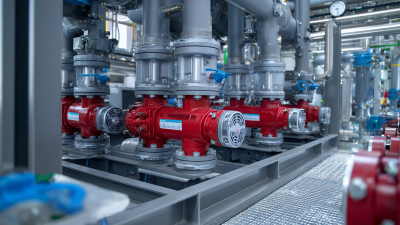
The Vacuum Sequence Valve plays a critical role in industrial processes. It manages the flow of vacuum in systems, ensuring efficiency and safety. According to a 2022 report by Industry Research, the global vacuum systems market is expected to reach $5 billion by 2025. This growth underscores the importance of components like the Vacuum Sequence Valve in achieving operational excellence.
Many industries rely on these valves for proper sequencing in vacuum applications. They help to optimize the performance of vacuum pumps, reduce energy consumption, and minimize potential leaks. Yet, there are still challenges. Inadequate understanding of valve operation can lead to inefficiencies. A study from the American Vacuum Society highlights that over 30% of industrial systems experience reduced performance due to improper vacuum sequencing.
Reliability in vacuum operations is essential for quality control. By using a Vacuum Sequence Valve, businesses can enhance their production processes. However, it’s crucial to evaluate the specifications and compatibility with existing systems. Suboptimal choices can result in increased costs and operational downtime. Balancing performance and reliability requires careful consideration of the valve's design and application.
What is a Vacuum Sequence Valve?
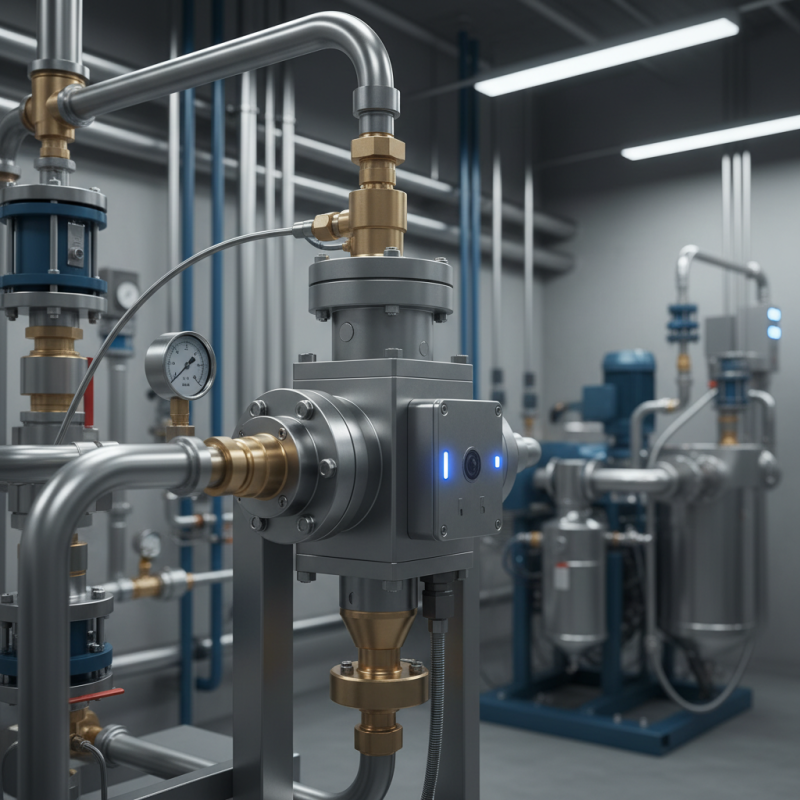
A vacuum sequence valve is a critical component used primarily in pneumatic systems. Its main purpose is to control the flow of air in a specific order. This ensures that the machinery operates smoothly and efficiently. The design of the valve allows it to maintain pressure while preventing backflow. This makes it an essential part of many industrial applications. The precision offered by vacuum sequence valves can significantly improve overall system performance.
When a vacuum sequence valve is activated, it opens or closes based on pressure changes in the system. This action helps manage multiple devices running in tandem. However, if not calibrated correctly, these valves can create problems. They might fail to open or close at the right time, leading to operational inefficiencies.
It’s crucial for engineers to regularly check these components to avoid potential breakdowns.
Sometimes, even the best systems need adjustments.
Understanding how a vacuum sequence valve functions can be complex. The interplay between pressure and mechanical parts is intricate. Industrial professionals must possess knowledge about these systems. Still, miscommunication between team members can lead to mistakes.
Continuous training and clear guidelines can help ensure everyone is on the same page. This collaboration can maximize the reliability of pneumatic systems and enhance productivity.
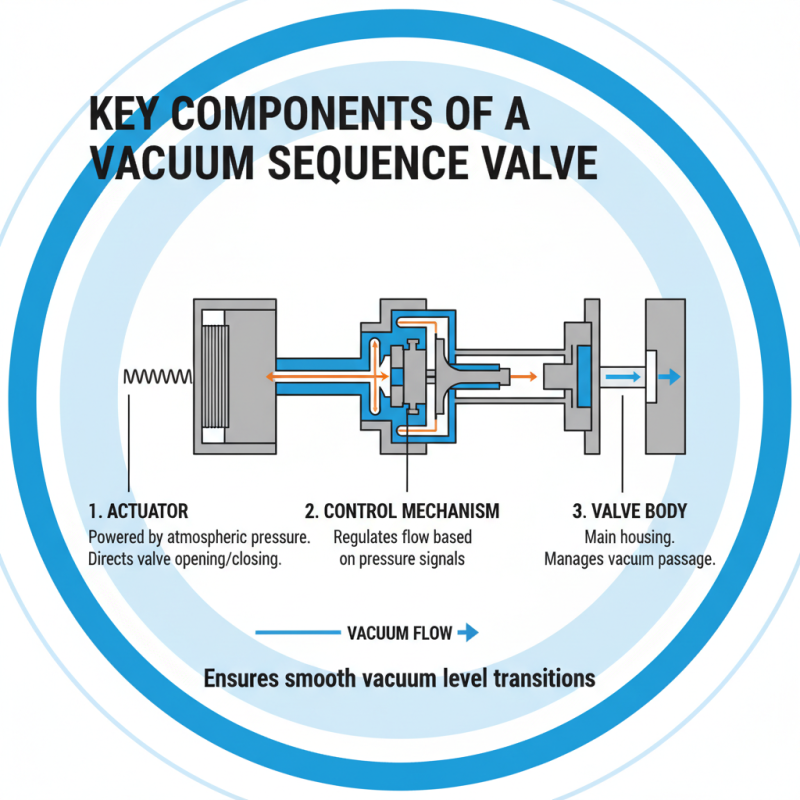
Key Components of a Vacuum Sequence Valve
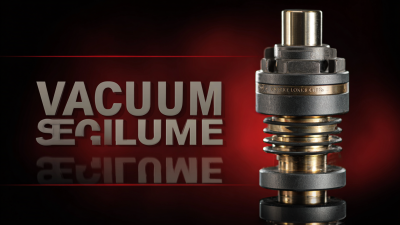
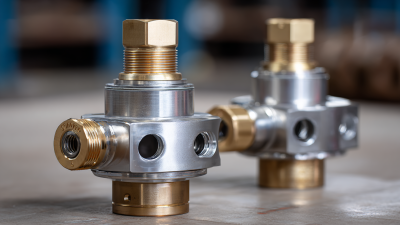
A vacuum sequence valve is an essential component in various industrial applications. Understanding its key components is vital for effective usage. The main parts include the actuator, the control mechanism, and the valve body. The actuator, powered by atmospheric pressure differentials, directs the valve's opening and closing. It ensures a smooth transition in maintaining vacuum levels.
The control mechanism regulates the flow based on specific system requirements. This piece is crucial, as it dictates how quickly or slowly the valve operates. The valve body itself is designed to withstand different pressures while maintaining integrity during operation.
Tips: Regular maintenance is key to prolonging the lifespan of the vacuum sequence valve. Check for wear and tear frequently. Observing small changes in performance can prevent larger issues later. Proper calibration of the control mechanism is necessary for optimal function. Ensure that you don’t ignore minor leaks; they can lead to significant performance degradation.
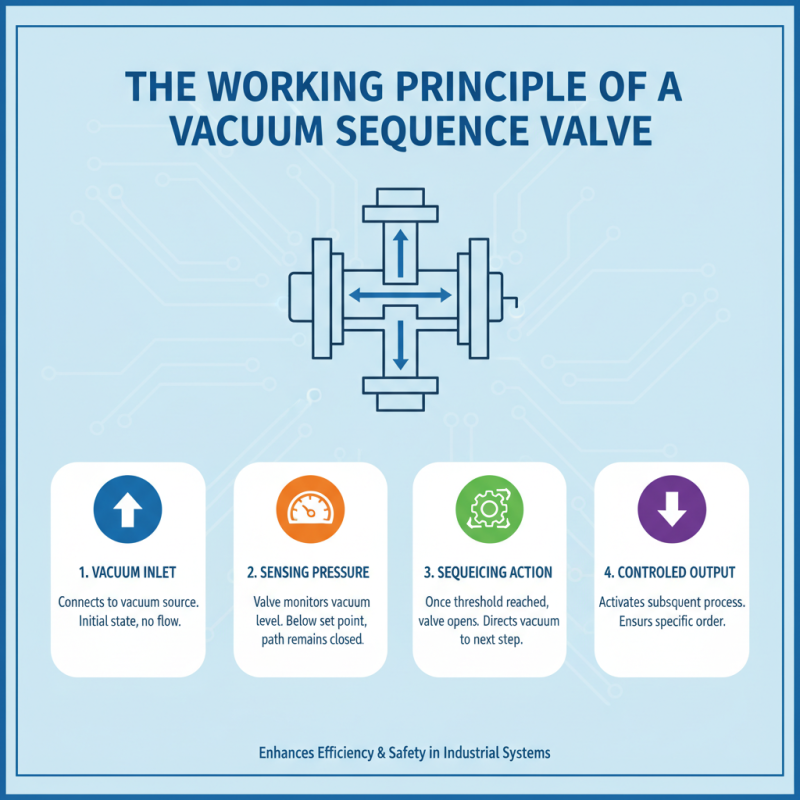
The Working Principle of a Vacuum Sequence Valve
A vacuum sequence valve is an essential component in various industrial systems. It controls the sequence of operations by regulating vacuum pressure. This type of valve ensures that processes occur in a specific order, enhancing efficiency and safety. Understanding its working principle is key for technicians and engineers.
The vacuum sequence valve operates on the concept of pressure differentials. When the system reaches a certain threshold, the valve opens or closes accordingly. This mechanism can be likened to a traffic light, directing flow through different pathways. By utilizing diaphragm or solenoid mechanisms, these valves respond rapidly to changes in pressure. Their design is crucial, as any failure can disrupt the entire system.
However, maintenance is often overlooked. Regular inspections can prevent costly downtimes. A faulty valve may lead to inconsistent pressure levels, causing inefficiencies. Technicians must ensure proper calibration and check for wear and tear periodically. This proactive approach not only saves time and resources but also enhances the overall reliability of the vacuum system.
Common Applications for Vacuum Sequence Valves
Vacuum sequence valves play a crucial role in various industrial applications. These valves manage the flow in systems where maintaining a vacuum is essential. Common applications include packaging, food processing, and semiconductor manufacturing. The increased demand for automation in these sectors drives the need for reliable vacuum systems. According to a recent market report, the vacuum equipment market is expected to grow at a compound annual growth rate (CAGR) of 5.2% from 2023 to 2030.
In packaging, vacuum sequence valves create a controlled environment for food products. This helps prolong shelf life and maintains flavor. In semiconductor manufacturing, these valves are critical for maintaining vacuum conditions during deposition processes. Their precision ensures optimal results. Reports indicate that such applications account for 28% of the total demand for vacuum technologies.
**Tip**: Regular maintenance of vacuum systems can prevent costly downtime. Inspecting valves periodically ensures they function efficiently.
Moreover, not all environments are ideal for vacuum sequence valves. Factors like temperature, corrosion, and pressure can affect their performance. Understanding these variables is vital for effective system design. Custom solutions may sometimes be necessary to meet specific conditions.
**Tip**: Consult with professionals for tailored advice on selecting vacuum systems. Customized setups can enhance productivity and lifespan.
Maintenance and Troubleshooting of Vacuum Sequence Valves
Vacuum sequence valves are crucial components in many industrial systems. They control the flow of air or gas by creating a vacuum. However, like any mechanical part, they can encounter issues that may lead to malfunction. Regular maintenance is essential for optimal performance. Checking for wear and tear on seals can prevent leaks. These small details are often overlooked, but they significantly impact the valve's efficiency.
Troubleshooting problems with vacuum sequence valves requires attention to specific symptoms. If the valve fails to operate, start by inspecting the electrical connections. Loose wires can disrupt functionality. Another common issue is the buildup of dust or debris. This can hinder movement and should be cleared regularly.
It’s important to note that troubleshooting often reveals underlying problems. Sometimes, what seems like a simple fix may indicate a larger issue. This realization can be frustrating but also an opportunity for deeper understanding. Engaging with these challenges ensures better long-term reliability of the vacuum system.