Leave Your Message

Why Choose a Vacuum Sequence Valve for Your System?

A Vacuum Sequence Valve can determine whether a vacuum system runs smoothly or struggles with unstable pressure, unnecessary wear, and wasted energy. It controls when vacuum is applied, isolated, or transferred between process stages. That timing matters in packaging lines, semiconductor equipment, laboratory chambers, and automated handling systems.

John F. O’Hanlon, a respected vacuum engineer and author of A User’s Guide to Vacuum Technology, expressed a useful design principle: “Good vacuum design begins with understanding the process, not selecting the pump.” His point remains practical. A valve should match the chamber volume, target pressure, gas load, response speed, and contamination risks. Choosing by connection size alone is a weak shortcut.

Consider a production chamber that must reach vacuum before a sealing cycle begins. A properly selected Vacuum Sequence Valve can delay the next operation until pressure reaches the required level. This reduces failed seals and protects sensitive components. Small details matter, including seal material, actuation method, leakage rate, and resistance to repeated cycling.

Real systems are rarely perfect.

An overlooked leak can imitate poor valve performance. Incorrect sequencing can also create pressure spikes. Maintenance access may be ignored during installation, causing avoidable downtime later. Engineers should test the valve under actual operating conditions, not only catalog specifications.

This guide examines why a Vacuum Sequence Valve deserves careful consideration. It connects valve behavior with system reliability, process control, maintenance effort, and long-term operating cost. The best choice is not always the fastest valve. It is the valve that performs predictably when the system is cold, warm, clean, or slightly imperfect.
Why Choose a Vacuum Sequence Valve for Your System?

What Is a Vacuum Sequence Valve?

Why Choose a Vacuum Sequence Valve for Your System?

What Is a Vacuum Sequence Valve?

A vacuum sequence valve is a control device that changes airflow when a preset vacuum level is reached. It helps one vacuum operation begin before another, creating a controlled sequence. For example, a packaging machine may secure a product before lifting it. The valve responds to pressure changes instead of relying only on electronic signals. This can simplify control circuits and improve response consistency.

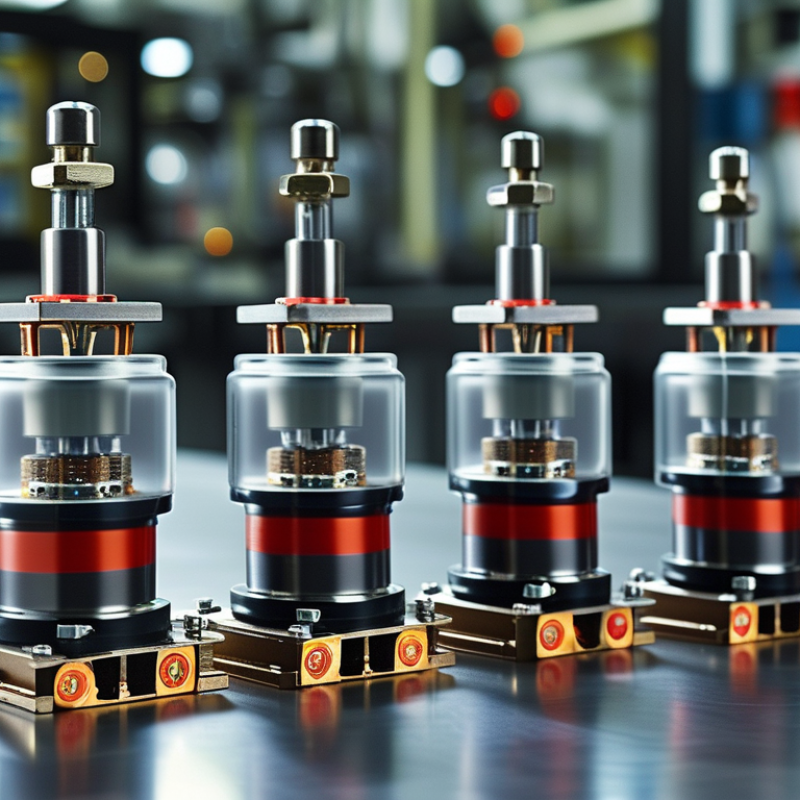
Inside the valve, a sensing element, spring, and sealing mechanism work together. When vacuum pressure reaches the adjusted setting, the mechanism opens or closes a passage. Some models include adjustable switching points and hysteresis, which help prevent rapid cycling. In practical installations, correct sizing matters. A valve that is too small may restrict airflow and slow the process. A poorly sealed connection can cause unstable operation. Small leaks matter.

Tips: Check the required vacuum range, flow rate, temperature, and port size before selection. Test the valve with the actual load, not only on a workbench. Keep filters clean and inspect seals during scheduled maintenance. I have found that a stable gauge reading can still hide brief pressure drops, so monitoring response time is worthwhile. The “best” setting may need adjustment after production begins.
How Does a Vacuum Sequence Valve Operate?

Why Choose a Vacuum Sequence Valve for Your System?

How Does a Vacuum Sequence Valve Operate?

A vacuum sequence valve controls when one vacuum function begins after another reaches a defined pressure. It uses a sensing chamber, spring, diaphragm, or pilot mechanism to monitor vacuum levels. While pressure remains below the preset point, the valve keeps the next circuit isolated. When the target vacuum is reached, the internal mechanism shifts and opens the following path.

This simple action creates reliable sequencing in lifting, clamping, and material-handling equipment. For example, a suction cup may secure a panel before a secondary actuator moves it. The valve helps prevent premature movement and reduces unstable handling. Its response depends on the setpoint, airflow, seal quality, and system volume. A common mistake is choosing a valve by port size alone. Control accuracy matters too. In practice, small leaks can delay operation more than expected.

Tips: Check the required vacuum range before installation. Set the valve under realistic load conditions, not only during an empty test. Inspect hoses, filters, and seals regularly. A clean sensing line improves repeatability. If the sequence feels slow, measure pressure at the valve rather than guessing. Also, review the manufacturer’s technical data for temperature limits, adjustment methods, and mounting direction. These details are easy to overlook.

Key Components and Performance Characteristics

A vacuum sequence valve controls the order of isolation, pumping, and venting in a vacuum system. Its main components include a valve body, actuator, sealing elements, position feedback, and control connections. The body should match the chamber pressure range and process gas exposure. Seals need low outgassing and stable performance across repeated temperature changes. Small details matter.

Response time affects how quickly a chamber reaches its target pressure. Conductance matters too, especially when the valve sits between a chamber and a high-speed pump. A narrow flow path may create pressure loss and extend pump-down time. Reliable position feedback helps the controller prevent pumping against an open vent path. During commissioning, technicians should compare actual cycle time with the design value. The difference can reveal a sticky actuator or a damaged seal.

Material compatibility, leak rate, cycle life, and service access deserve equal attention. For clean processes, particles and lubricant migration can compromise the chamber environment. For heated systems, actuator insulation and seal temperature limits require careful checking. A robust valve should maintain repeatable switching, not merely operate once on a test bench. Perfect performance is unlikely. A first design estimate is often too optimistic. Real installations contain vibration, wiring errors, and uneven maintenance. The control sequence should include sensible interlocks and manual inspection points.

Why Choose a Vacuum Sequence Valve for Your System? - Key Components and Performance Characteristics
System Element Primary Function Typical Construction or Specification Performance Characteristics Selection Considerations
Valve Body Provides the pressure boundary and connects the valve to the vacuum piping or equipment. Machined aluminum, stainless steel, or nickel-plated metal; port sizes commonly range from 1/8 in to 2 in in compact systems. Must withstand external atmospheric pressure while maintaining dimensional stability and low internal leakage. Choose the body material according to corrosion exposure, temperature, cleanliness requirements, and connection standard.
Isolation Element Opens or closes the vacuum path to control the sequence of evacuation, isolation, or venting. Diaphragm, poppet, spool, or bellows-sealed design, depending on the application. Provides repeatable switching and helps prevent unwanted pressure transfer between circuit sections. Diaphragm and bellows designs are often preferred where low leakage and reduced particle generation are important.
Sensing Port Monitors pressure in the controlled vacuum chamber or line. Dedicated pressure-sensing connection connected directly to the control chamber. Allows switching at a defined pressure threshold without requiring continuous electrical measurement. Place the sensing connection where pressure accurately represents the chamber condition and minimize unnecessary dead volume.
Pilot or Control Section Uses pneumatic pressure, vacuum pressure, or an electrical actuator to change the main valve position. Pneumatic pilot, solenoid-operated pilot, or mechanically actuated control arrangement. Enables automatic sequencing and can reduce the actuation force required from the main valve mechanism. Verify pilot pressure, electrical supply, response time, and fail-safe position before installation.
Set-Point Mechanism Defines the pressure at which the valve changes state. Adjustable spring, diaphragm, or calibrated pressure-control mechanism. Typical set-point adjustment depends on the design; many industrial vacuum controls operate from near-atmospheric pressure down to the low-kilopascal range. Use a set-point range that places the operating threshold comfortably away from pump limitations and process fluctuations.
Seal Assembly Prevents atmospheric or process-gas leakage across moving and stationary interfaces. Elastomeric O-rings, polymer seals, metal seals, or welded bellows. Leak performance is application-dependent; high-vacuum systems commonly require leak testing with helium or another suitable tracer gas. Select seal material for temperature, chemical compatibility, permeation, outgassing, and cleaning requirements.
Vacuum Operating Range Defines the pressure interval in which the valve can operate reliably. Ranges vary from rough vacuum applications above approximately 1 kPa absolute to high-vacuum service below 10-3 Pa for specialized designs. Performance depends on pressure differential, gas type, temperature, seal design, and actuator capability. Confirm both the minimum absolute pressure and the maximum allowable pressure differential, rather than relying on a single nominal rating.
Leakage Performance Limits the rate at which gas enters or passes through the closed valve. Specified as a pressure-rise rate or as a measured gas-leak rate, depending on the test method. Lower leakage supports faster pump-down, improved pressure stability, and reduced gas load on the vacuum pump. Compare leakage specifications using the same test gas, pressure conditions, temperature, and measurement standard.
Switching Response Determines how quickly the valve reaches its commanded open or closed position. Typical pneumatic or solenoid-operated valves respond in milliseconds to a few seconds, depending on size and control configuration. Fast switching can improve cycle time, while controlled switching can reduce pressure shock and mechanical wear. Consider line volume, pilot flow, actuator size, control pressure, and the required production cycle.
Conductance Describes the valve's ability to pass gas when open. Determined by effective aperture, port geometry, gas species, and pressure regime; commonly expressed in litres per second. Higher conductance generally improves pump-down speed, although piping and fittings may become the limiting restriction. Match the valve aperture to the pump inlet, chamber volume, and required evacuation time to avoid unnecessary pressure loss.
Temperature Capability Defines the allowable operating and, where applicable, bake-out temperature. Elastomer-sealed valves commonly support moderate temperatures, while metal-sealed or specialized vacuum valves can support higher temperatures. Temperature affects seal life, outgassing, spring force, actuator response, and dimensional tolerances. Specify normal operating temperature separately from cleaning or bake-out temperature, and verify the rating of every seal and actuator component.
Control Logic Coordinates valve movement with pumps, chambers, vent lines, and safety interlocks. Pressure-triggered, timer-based, PLC-controlled, or hardwired interlock sequence. Prevents premature venting, protects sensitive equipment, and enables repeatable multi-step evacuation cycles. Include feedback switches or position sensors when confirmation of open, closed, or intermediate position is required.
Maintenance Requirements Preserves sealing performance, actuation reliability, and repeatability over the service life. Periodic inspection of seals, actuator components, springs, electrical connections, and internal contamination. Modular designs can reduce downtime by simplifying seal replacement and functional testing. Evaluate spare-part availability, cleaning procedures, access for service, and the expected number of operating cycles.
System-Level Benefit Automates pressure-dependent switching between different vacuum-system functions. Combines sensing, actuation, isolation, and sequence control in one coordinated valve arrangement. Can improve process repeatability, reduce operator intervention, limit cross-contamination, and protect vacuum equipment from incorrect sequencing. Choose a sequence valve when the process requires dependable automatic transitions rather than simple manual isolation alone.

Note: The stated ranges are general engineering references rather than universal ratings. Actual pressure limits, leakage values, response times, temperature limits, and materials must be verified against the selected valve design and the complete vacuum-system specification.

Why Use a Vacuum Sequence Valve in Your System?

A vacuum sequence valve helps your system reach stable vacuum conditions in a controlled order. It opens or closes when pressure reaches a preset level. This prevents every chamber from drawing vacuum at once. The result is smoother operation, fewer pressure swings, and better control during loading or processing.

In practical system checks, the valve can protect sensitive components from sudden vacuum changes. It may also reduce unnecessary pump workload by isolating sections that do not need evacuation. For example, one chamber can remain sealed while another chamber reaches its target pressure.

This arrangement supports cleaner process timing and easier fault detection. A pressure gauge near each critical section makes the sequence easier to verify.

However, a sequence valve is not a cure for poor system design. Incorrect settings can delay production or leave trapped air inside a chamber. I have seen small leaks make a well-planned sequence appear unreliable. Valve materials must match temperature, gas composition, and pressure conditions. Engineers should test opening points, response time, sealing performance, and emergency behavior during commissioning. Periodic inspection also matters, especially where dust or moisture can affect the seat. A little more testing at installation often prevents expensive troubleshooting later.

How to Select and Maintain the Right Valve

Why Choose a Vacuum Sequence Valve for Your System?

Selecting a vacuum sequence valve starts with the process, not the catalog. Define vacuum range, gas compatibility, temperature, flow demand, response time, and cycle frequency. A valve that opens quickly may still perform poorly if its seat leaks under heat. Check the manufacturer’s conductance data at your working pressure, not only at atmospheric pressure. ISO 21360-1 provides standardized methods for evaluating vacuum pump performance and helps create comparable test conditions.

Control logic also matters. A sequence valve should open only after the required vacuum level stabilizes. Add a pressure sensor, suitable isolation points, and a manual override for maintenance. In multi-stage systems, verify that each valve closes before the next chamber changes pressure. Oversizing is not automatically safer. It can increase dead volume, delay pressure changes, and reduce control accuracy. That mistake is easy to miss.

Maintenance should be measurable and routine. Record evacuation time, ultimate pressure, valve response, and leak-test results after installation. The U.S. Department of Energy reports that compressed-air leaks can waste 20–30% of system capacity; vacuum ejector systems can suffer comparable efficiency losses when seals and tubing deteriorate. The European Commission’s industrial energy-efficiency guidance also emphasizes monitoring, preventive maintenance, and system-level optimization. Inspect seals for flattening, particles, and chemical swelling. Clean filters before they restrict flow. Replace damaged tubing early. Keep a simple cycle log. It reveals gradual failure better than memory. Even experienced teams sometimes postpone inspection until performance drops. That is usually too late.