Leave Your Message

2026 Top Emergency Relief Valve Suppliers for Global Buyers

Selecting an Emergency Relief Valve supplier is a safety decision, not a catalog exercise. In 2026, global buyers must compare engineering capability, documentation, service reach, and delivery reliability. The right choice depends on the actual process. Pressure range, set pressure, temperature, media, and connection type all matter. Small details matter. A valve that fits the flange may still be wrong for the operating conditions.

A useful starting point is process-safety expert Trevor Kletz’s reminder: “What you don’t have, can’t leak.” Relief valves cannot replace sound process design, but correctly selected and maintained devices help protect equipment when pressure rises unexpectedly. Buyers should examine published capacity data, materials, testing records, traceability, and support for installation and maintenance. Ask how suppliers handle sizing questions and replacement parts. Request clear evidence, not just confident sales language. A polished brochure is not a test report.

No supplier is perfect. Availability can change, and a strong global network does not guarantee prompt local support. That is worth remembering. This guide compares leading Emergency Relief Valve suppliers through practical criteria, including product range, technical resources, quality controls, and regional service. It is a starting point, not a substitute for site-specific engineering review. The uncomfortable question remains: are we choosing the valve that fits the process, or merely the one that is easiest to buy?
2026 Top Emergency Relief Valve Suppliers for Global Buyers

Emergency Relief Valves: Purpose, Types, and Operating Principles

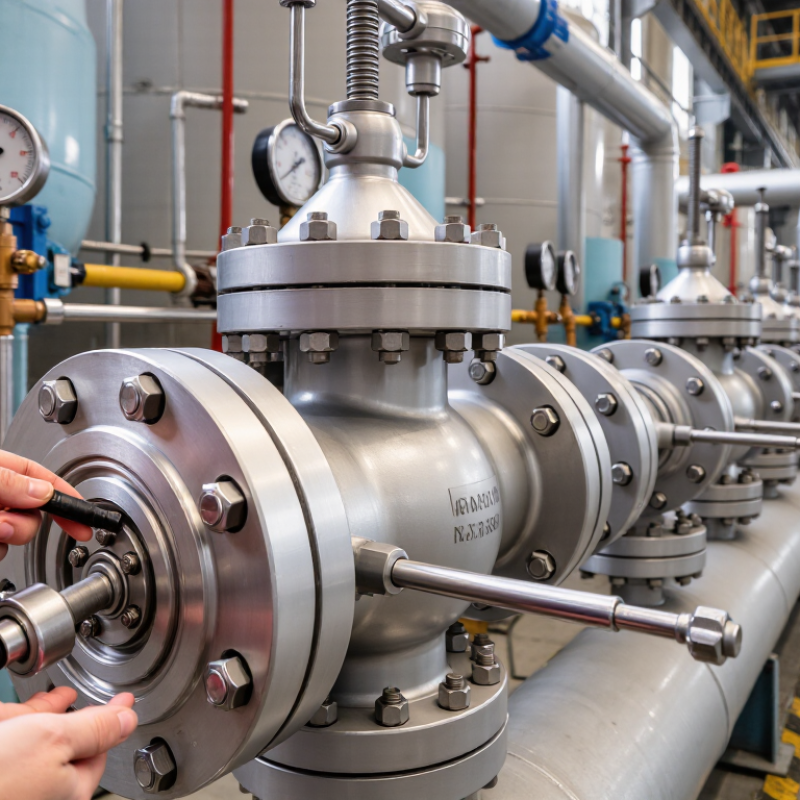
Emergency relief valves protect vessels and piping when pressure rises beyond a defined limit. They open a discharge path before excessive pressure damages equipment. In a boiler room, for example, a sudden pressure increase can lift a spring-loaded valve and release steam through a dedicated outlet. That detail matters. The valve must match the service, not just the connection size.

Common designs include spring-loaded, pilot-operated, and pressure-vacuum relief valves. In a spring-loaded model, process pressure acts against a spring. Once pressure reaches the set point, the disc lifts and fluid flows out. As pressure falls, the spring helps the valve close again. Pilot-operated designs use a smaller control valve to manage the main valve, which can offer closer pressure control in suitable applications. Pressure-vacuum valves protect low-pressure tanks from both excess pressure and vacuum conditions.

Selection depends on the fluid, temperature, required discharge capacity, backpressure, and equipment limits. An engineer needs reliable operating data; a guessed flow rate can lead to poor protection. Installation also matters: a long or undersized discharge line may affect performance. Real systems are rarely tidy, and operating conditions can change after commissioning. Inspection and testing should follow the equipment design and applicable technical requirements, with qualified personnel checking for corrosion, blockage, or altered settings. A valve that looks intact may still fail to lift as intended.
Industries and Systems That Require Emergency Pressure Protection

Emergency pressure protection matters wherever a vessel or line can exceed its safe operating limit. In chemical processing, refining, and gas handling, blocked outlets or sudden heat input can raise pressure quickly. Storage tanks also need protection from filling errors, vapor changes, and external fire exposure. Small changes matter.

Boilers, heat exchangers, and compressed-air receivers face different pressure patterns. A pump can deadhead against a closed valve; trapped liquid can expand as it warms. Hydraulic and pneumatic equipment may need relief devices matched to fluid, pulsation, and operating temperature. The valve must discharge to a safe, properly sized destination, not merely open.

Selection depends on maximum credible pressure, required capacity, backpressure, material compatibility, and the system’s operating range. Verify these values through qualified engineering review and applicable codes; a catalog set point may not suit every installation. Field experience matters, too: corrosion, vibration, and repeated lifting can affect performance. Inspection records help, though they cannot replace testing. Selection is not always tidy. Reassess protection after system modifications.

Emergency Pressure Protection: ASME Section VIII Accumulation Benchmarks

Pressure vessels in industries such as chemical processing, oil and gas, power generation, and food manufacturing may require pressure relief protection. This chart shows selected ASME Section VIII, Division 1 limits for pressure rise above the vessel’s maximum allowable working pressure (MAWP).

These percentages are code-specific accumulation limits, not recommended operating pressures. Applicable requirements depend on the governing code edition, vessel design, and overpressure scenario; verify them against the relevant code and jurisdiction.

Key Standards and Specifications for Comparing Valve Suppliers

For global buyers comparing emergency relief valve suppliers in 2026, standards are a starting point, not a complete quality check. Confirm which code applies to the vessel, fluid, and installation. Depending on the application, relevant references may include ASME Section VIII, API 520 and 526, or ISO 4126. Requirements vary by market, so ask suppliers to identify the exact standard and edition used.

Check the technical data against your operating conditions. Verify set pressure, certified relieving capacity, allowable overpressure, blowdown, and backpressure. Then compare body and trim materials with the fluid, temperature, and corrosion risks. A stainless-steel valve may suit one service but not another. Connection size alone proves little. Ask for pressure-temperature ratings, dimensional drawings, and test records.

Look for traceable material certificates, documented production tests, and clear calibration procedures. Ask how capacity was verified and whether certificates match the offered model and configuration. Details matter. Review delivery lead times, spare-part availability, and technical support across time zones. A polished certificate is useful, but it does not replace a precise datasheet review. In practice, comparison tables can still hide assumptions; buyers should clarify ambiguous terms before approval.

Leading Emergency Relief Valve Suppliers for Global Buyers in 2026

For global buyers in 2026, choosing an emergency relief valve supplier takes more than comparing prices. Reliable suppliers help verify pressure settings, capacity, materials, and connection details against the operating conditions. They should provide clear technical data, inspection records, and practical guidance before an order is placed. Ask how they handle custom requirements and replacement parts. A catalog may look complete, yet still leave important questions unanswered.

Tips: Share the fluid, operating pressure, temperature range, and installation constraints early. Request drawings and test documentation for review. Confirm lead times in writing, especially for remote sites. Small details matter.

Strong suppliers also communicate clearly across time zones and explain uncertainties instead of promising a perfect fit. Check whether their support continues after delivery, including troubleshooting and maintenance advice. A valve that suits one system may not suit another, even when the specifications appear similar. Buyers should involve qualified engineering staff in final selection and verify that the chosen equipment fits the project’s applicable requirements. Shortlists can still miss a detail. Recheck the assumptions before approval.

2026 Top Emergency Relief Valve Suppliers for Global Buyers — Leading Emergency Relief Valve Suppliers for Global Buyers in 2026

Supplier-neutral procurement benchmark. Use these criteria to compare suppliers; requirements depend on the tank, process, jurisdiction, and project specification.

Evaluation dimension Relevant benchmark or reference What buyers should verify Why it matters
Application and equipment type API 2000 and ISO 28300 address venting of atmospheric and low-pressure storage tanks. Confirm whether the equipment is intended for a storage tank, pressure vessel, or another service; check the applicable design code and operating limits. Tank emergency venting and pressure-vessel overpressure protection are related but distinct design applications.
Emergency venting capacity Capacity should be established using the applicable standard and the project’s design conditions. Request documented capacity calculations for the specified fluid, set pressure, allowable accumulation, temperature, and relevant fire or process case. A valve’s nominal size alone does not demonstrate that it can provide the required relief capacity.
Pressure and vacuum settings Tank design limits and the selected venting standard govern the required pressure and vacuum protection. Check set-pressure and vacuum settings against the tank’s allowable limits, normal operating pressure, and specified tolerances. Incorrect settings can lead to unwanted opening or expose the tank to damaging overpressure or vacuum.
Materials and process compatibility Material selection is service-specific; compatibility depends on the process fluid, temperature, and environment. Review body, trim, seat, gasket, and coating materials against the fluid’s composition, corrosion risks, and operating-temperature range. Suitable materials help maintain sealing, function, and service life under the actual operating conditions.
Documentation and traceability Documentation should match the purchase specification and the project’s quality requirements. Request drawings, material records, test and inspection records, installation instructions, and serial-number traceability as applicable. Complete records support technical review, commissioning, maintenance, and audit requirements.
Regulatory and conformity requirements Requirements vary by destination market and equipment scope. For example, the EU Pressure Equipment Directive (2014/68/EU) applies according to its scope and classification rules. Ask the supplier to identify applicable regulations and provide the relevant conformity documentation for the specific product and destination. Regulatory applicability cannot be inferred from a product description alone; it depends on the equipment and intended market.
Testing and quality controls Inspection and testing should be defined by the applicable standard, contract, and purchase specification. Confirm the inspection plan, test methods, acceptance criteria, reporting format, and whether witness or third-party inspection is required. Agreed verification requirements make supplier offers easier to compare and reduce ambiguity at delivery.
Global delivery and lifecycle support Lead time, export documentation, spare parts, and service coverage are supplier-specific and should be confirmed directly. Compare written delivery schedules, shipment terms, spare-part availability, warranty conditions, and local technical support for the destination. These commercial and service factors affect project schedules and long-term maintainability.

How to Evaluate Suppliers for Compliance, Delivery, and After-Sales Support

For global buyers, selecting an emergency relief valve supplier starts with evidence, not polished sales claims. Request material certificates, pressure test records, and clear documentation showing how each valve is identified and traced. Check that the stated design conditions match your process: set pressure, temperature range, connection size, and expected discharge medium. A document that looks complete may still leave important gaps. Ask who reviews technical changes before production.

Delivery reliability depends on more than a quoted lead time. Ask whether critical components are stocked, how production delays are reported, and what inspection records ship with each order. We sometimes focus too much on the promised date. A better check is to review recent delivery performance and agree on updates if a shipment slips. After-sales support matters when a valve needs adjustment or a field issue appears. Confirm response hours, access to technical staff, and the process for replacement parts. Keep answers in writing.

Tips: Compare suppliers using the same checklist. Request a sample inspection report and verify that serial numbers match the packing documents. Ask for practical guidance on installation and maintenance, not just a warranty statement. If an answer is vague, pause and ask again. Small details matter.